Techland • 2025 • Xbox Series X|S, PlayStation 4, PC (Microsoft Windows), PlayStation 5, Xbox One
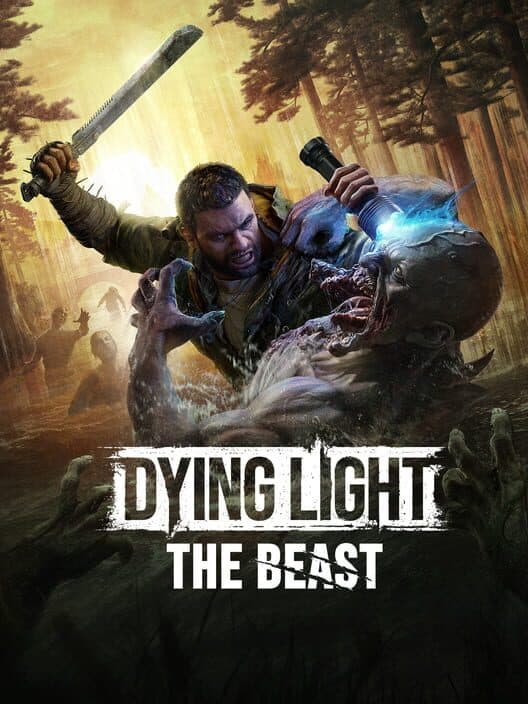
Dying Light: The Beast is worth full price if you enjoy first-person action, horror tension, and movement-heavy combat. It delivers a dense, focused open world, a clear revenge story, and a strong sense of growth as Kyle Crane evolves from fragile experiment to terrifying hunter. In return, it asks for real focus, a decent tolerance for gore and stress, and around 25–40 hours to feel “done” with the main experience. There are no microtransactions or live-service grinds pulling at your time, just a crafted campaign with optional challenge runs and co-op. Fans of the original Dying Light or people who love parkour-driven combat will get the most value, especially if they lean into nighttime risk and Chimera hunts. If you dislike horror, graphic dismemberment, or games that can be punishing when you play carelessly, you may want to skip it or watch a playthrough instead. For everyone else, it’s a strong, self-contained adventure that respects your wallet and mostly respects your time.

Techland • 2025 • Xbox Series X|S, PlayStation 4, PC (Microsoft Windows), PlayStation 5, Xbox One
Dying Light: The Beast is worth full price if you enjoy first-person action, horror tension, and movement-heavy combat. It delivers a dense, focused open world, a clear revenge story, and a strong sense of growth as Kyle Crane evolves from fragile experiment to terrifying hunter. In return, it asks for real focus, a decent tolerance for gore and stress, and around 25–40 hours to feel “done” with the main experience. There are no microtransactions or live-service grinds pulling at your time, just a crafted campaign with optional challenge runs and co-op. Fans of the original Dying Light or people who love parkour-driven combat will get the most value, especially if they lean into nighttime risk and Chimera hunts. If you dislike horror, graphic dismemberment, or games that can be punishing when you play carelessly, you may want to skip it or watch a playthrough instead. For everyone else, it’s a strong, self-contained adventure that respects your wallet and mostly respects your time.
When you have about an hour on a weeknight and want a tense, hands-on action game that still lets you finish a full mission or major side quest.
On a weekend evening with one or two friends online, when you feel like sharing jump scares and chaotic zombie fights without the pressure of strict roles or competitive rankings.
Over a few weeks when you’re in the mood for a focused revenge story, enjoy movement-heavy combat, and don’t want a massive 100-hour open world demanding a long-term commitment.
A focused 25–40 hour campaign that fits into 60–90 minute sessions, with flexible stopping points and optional co-op.
The Beast is built for a solid, finite run rather than an endless treadmill. If you stick mostly to the story and a sampling of side content, you’ll likely feel satisfied after 25–40 hours—roughly a month of casual play. Missions, Dark Zones, and Chimera hunts usually fit into an evening’s 60–90 minute window, especially if you start and end at safe houses. Autosaves and full pause support mean family interruptions are manageable; at worst you’ll replay a short stretch. The autosave-only system is slightly less flexible than manual saves for experimentation, but it’s fine for straightforward progress. Coming back after a break does require a short re-orientation: reading quest logs, remembering routes, and warming up your fingers. Co-op is there if you and friends can coordinate schedules, yet solo players won’t miss core content by staying offline. Overall, it respects a busy adult’s calendar as long as you resist the urge to clear every icon on the map.
Fast first-person movement and scrappy combat keep your eyes and brain locked in, especially once the sun goes down and the woods turn lethal.
Playing The Beast means staying mentally present. You’re constantly checking the horizon, listening for growls behind you, and glancing at the mini-map to track objectives and safe zones. Movement, combat, and survival systems layer on top of each other: you’re counting stamina swings, weighing whether a weapon is worth breaking, deciding when to burn precious Beast Mode, and planning escape routes if things collapse. During the day there are short breathers while you loot, craft, or jog through relatively empty stretches, but nights and Dark Zones demand full attention. This isn’t a podcast-in-the-background game during active play; you’ll want both hands and most of your headspace on what’s happening. The good news is that menus, safe houses, and post-mission cleanup are calmer moments where you can decompress, reassign skills, and plan your next outing at a slower pace.
You’ll feel capable after a few evenings, with extra satisfaction if you stick around to really master movement and Beast Mode timing.
Learning The Beast is closer to a modern action game than a hardcore sim. The basics—swinging weapons, sprinting, climbing, and recognizing when night is a bad idea—settle in within the first few hours. Once those fundamentals click, you can comfortably progress through the story on Survival without obsessing over perfect execution. The deeper skills, like chaining parkour routes smoothly, reading audio cues in the dark, and using Beast Mode proactively instead of reactively, take longer but pay off by making tense situations feel under control. There’s real pleasure in reaching a point where rooftops are your playground and encounters that once terrified you become opportunities to flex. Importantly, the game doesn’t demand that level of mastery to see credits; it rewards it with smoother runs, bolder playstyles, and a more confident relationship with the world. For a busy adult, that means you can enjoy the arc from clumsy survivor to practiced hunter without needing to grind for perfection.
Tense, gory, and often heart-pounding, but with difficulty options that let you dial how punishing the danger feels.
The Beast is a stressful game in a deliberate, horror-infused way. Nights feel dangerous, chases can flip from manageable to chaotic in seconds, and the gore is graphic. On default Survival, mistakes during night runs or Chimera fights can mean frantic retreats, XP loss, and repeated attempts, which raises your heart rate quickly. The game rarely feels calm outside safe zones, especially if you push objectives after dark. That said, it isn’t as punishing as true hardcore titles: deaths don’t erase hours of progress, and Story mode dramatically lowers damage and removes XP penalties, making things far more forgiving. Think of it as a thriller movie you control—plenty of jumpy moments and lingering tension, but not pure misery. If you’re already stressed from work or parenting, you may want to pick times when you have the emotional bandwidth for a scary, high-energy experience rather than using it as a late-night wind-down.
Games with a similar rhythm and feel, even if they look different