Red Dead Redemption 2

Take-Two Interactive2018Google Stadia, PlayStation 4, PC (Microsoft Windows), Xbox One
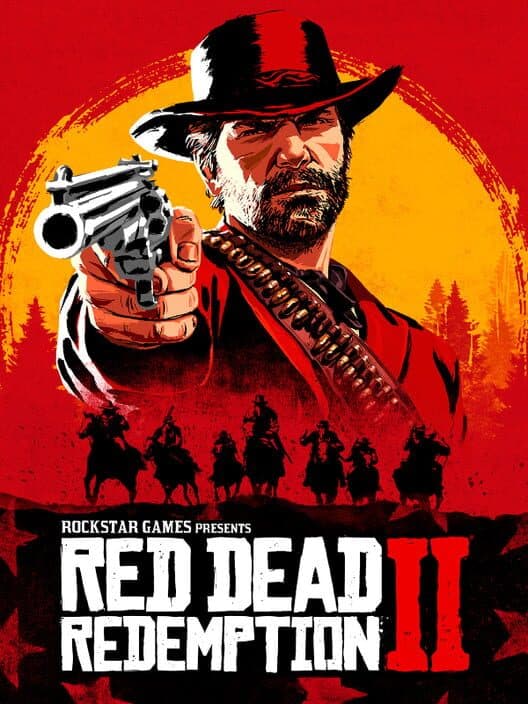
Cinematic open-world Western character drama

Slow-burn story with heavy themes

Best enjoyed in long, focused sessions

Is Red Dead Redemption 2 Worth It?

Red Dead Redemption 2 is absolutely worth it if you love rich stories, detailed worlds, and don’t mind a slow burn. It offers one of the most impressive open-world sandboxes ever made, wrapped around a character-driven Western tragedy that many people remember for years. In return, it asks for patience and time. Animations are slow, travel is long, and the best moments often come after you’ve lived with Arthur and the gang for dozens of hours. If you enjoy sitting with a game the way you’d sit with a prestige TV series or a thick novel, it easily justifies a full-price purchase. If you’re time-strapped, prefer snappy gameplay, or dislike heavy themes, you might bounce off the pacing and should consider buying it on sale or skipping. Treat it as a long, immersive vacation in another era instead of a quick weekend fling, and it delivers enormous value.

When is Red Dead Redemption 2 at its best?

When you have a quiet evening with 90 minutes or more, want to sink into a serious story, and can give the game most of your attention.

When you’re in the mood to unwind with something atmospheric but not competitive, happy to ride, hunt, and explore at your own pace without social obligations.

When you’ve just finished a shorter game or TV series and feel ready to commit to a long, season-like narrative that you’ll chip away at over several weeks.

What is Red Dead Redemption 2 like?

This is a big commitment game. Fully experiencing Arthur’s story and a reasonable slice of side content typically means 50–80 hours. For a busy adult playing 7–10 hours a week, you’re looking at several weeks or a couple of months. The structure is flexible: you can stop between missions, after camp scenes, or whenever you reach a town. Manual saves and frequent autosaves help, but missions and cutscenes don’t always pause gracefully, so very short or highly interrupted sessions can feel choppy. Coming back after a long break can be rough because you need to remember controls, story threads, and what you were working toward. On the plus side, it’s almost entirely solo, so there’s no scheduling pressure with friends or guilds. If you can carve out regular 60–90 minute blocks, the game rewards that routine with a sense of living through a long TV series season, one or two episodes at a time.

Tips

  • Aim for sessions where you can finish at least one mission plus a bit of free roam, roughly an hour or more when possible.
  • Before quitting, park Arthur at camp or in town and glance at your map and journal so you know your next goal for next time.
  • If you’ve been away for weeks, spend a session just riding, poking around menus, and doing small tasks to rebuild comfort before tackling major story missions.

Moment to moment, Red Dead Redemption 2 asks for moderate but not overwhelming focus. During missions and gunfights you’re choosing weapons, taking cover, lining up shots, watching enemy positions, and tracking objectives and law responses. That part feels like a traditional action game where looking away at the wrong time can get Arthur killed. Outside of missions, though, the game eases off. Long horseback rides, camp downtime, and quiet roaming through towns give you space to breathe, listen to dialogue, and enjoy the scenery without constantly making split-second decisions. You don’t need fighting-game reactions, but you do need to keep enough attention to avoid riding into trouble or missing important prompts. For a busy adult, this means you shouldn’t treat it like a podcast-in-the-background game, yet you also aren’t “on” every second the way you might be in a pure shooter or competitive title.

Tips

  • Try to start sessions with a mission when you’re freshest, then wind down with slower activities like hunting, fishing, or camp chores afterward.
  • Use long horse rides as mental breathers, but keep a thumb on the controller in case a random encounter or ambush pops up.
  • If you’re tired, avoid big story missions and instead explore, shop, or play minigames where lapses in attention are less costly.

Red Dead Redemption 2 isn’t something you instantly “get” in one sitting, but it also doesn’t demand hardcore dedication. The first several hours are about learning how shooting, Dead Eye, horse control, cores, and basic survival items all fit together. Then the game layers on deeper ideas: stealth, hunting, crafting, camp investment, and how the law and honor systems respond to your choices. You’ll likely feel a bit clumsy at first, occasionally fumbling controls or misreading what the game expects during missions. After a handful of evenings, though, most adults settle into a comfortable groove. Improving your aim, learning good cover habits, and understanding how to prepare for missions makes the experience noticeably smoother and more satisfying. That said, there’s no competitive ladder or brutal endgame asking you to master every nuance. The joy is more about feeling increasingly capable and knowledgeable in this world, not about proving yourself against other players or super-hard challenges.

Tips

  • Focus early on a small weapon set you like and upgrade those, instead of constantly swapping, so your muscle memory develops naturally.
  • Spend a little time reading item descriptions and the in-game help to understand cores and Dead Eye; it makes combat and survival far less confusing.
  • Treat hunting, crafting, and challenges as optional depth you can grow into over time rather than homework you must optimize from the start.

This game leans more on emotional weight and cinematic tension than raw mechanical difficulty. Gunfights, train robberies, and frantic escapes can get your heart racing, especially when the law is swarming and bullets are flying. At the same time, aim assist, Dead Eye, and generous checkpoints keep the mechanical pressure at a manageable level for most adults playing on normal. Where the game can feel intense is in its themes: illness, betrayal, cruelty, and inevitable decline. Long story sequences can leave you drained in a good but heavy way, especially later in the game. The overall effect is a medium level of “stress”: enough excitement to feel alive, but not so punishing that every mistake wrecks your night. It’s more gripping and somber than chill and cozy, so it’s better when you’re in the mood for something serious rather than a light, turn-off-your-brain romp.

Tips

  • On nights when you’re emotionally tired, favor side activities like fishing, hunting, or poker instead of big story beats.
  • If a mission sequence feels overwhelming, drop the difficulty or lean harder on Dead Eye and cover to reduce mechanical stress.
  • Space out heavier chapters with time just riding, exploring, or visiting camp so the emotional weight doesn’t pile on too fast.

Frequently Asked Questions