Powered by IGDB•Privacy•Terms

© 2026 Slated.gg

Slated.gg
Popular GamesAbout

Death Stranding

Sony Interactive Entertainment • 2019 • PlayStation 4, PC (Microsoft Windows)
Great solo experienceClear progressionStory-driven

Is Death Stranding Worth It?

Death Stranding is worth it if you enjoy slow, thoughtful games and can commit to a long, strange journey. It’s not about constant combat or flashy set-pieces; most of your time is spent planning routes, carrying packages, and gradually turning hostile terrain into a network of roads and ziplines. In return, you get a uniquely meditative experience, a strong sense of long-term progress, and a big, ambitious story about connection and grief. For players who like walking simulators, management games, or methodical open worlds, this can easily justify a full-price purchase, especially if you’re excited by Kojima’s particular brand of weirdness. If you’re curious but unsure about the pacing, it’s a great game to grab on sale and explore at your own speed. If you hate the idea of spending 20 minutes just walking across a valley, or you mainly want short, high-intensity sessions, you’ll probably bounce off it and should skip.

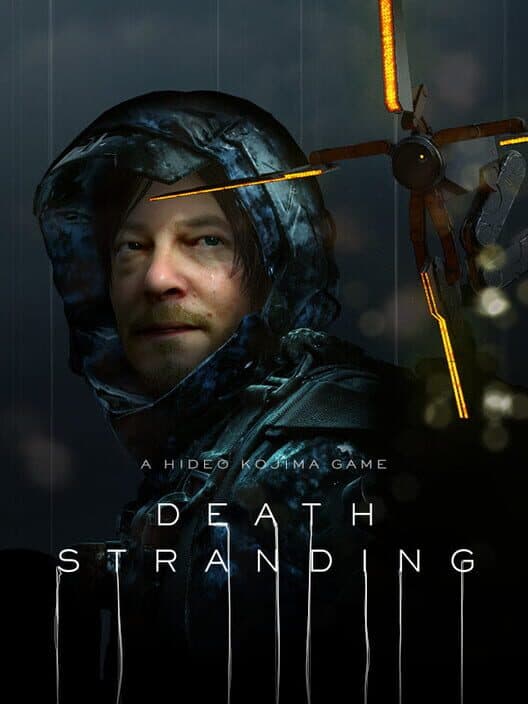
Death Stranding cover art

Death Stranding

Sony Interactive Entertainment • 2019 • PlayStation 4, PC (Microsoft Windows)

Great solo experienceClear progressionStory-driven

Is Death Stranding Worth It?

Death Stranding is worth it if you enjoy slow, thoughtful games and can commit to a long, strange journey. It’s not about constant combat or flashy set-pieces; most of your time is spent planning routes, carrying packages, and gradually turning hostile terrain into a network of roads and ziplines. In return, you get a uniquely meditative experience, a strong sense of long-term progress, and a big, ambitious story about connection and grief. For players who like walking simulators, management games, or methodical open worlds, this can easily justify a full-price purchase, especially if you’re excited by Kojima’s particular brand of weirdness. If you’re curious but unsure about the pacing, it’s a great game to grab on sale and explore at your own speed. If you hate the idea of spending 20 minutes just walking across a valley, or you mainly want short, high-intensity sessions, you’ll probably bounce off it and should skip.

When is Death Stranding at its best?

When you have a quiet evening and about an hour free, and you want a meditative, purposeful task instead of twitchy combat or chat-heavy multiplayer.

Perfect for late-night wind-down sessions after work when the house is calm and you’re happy to walk, plan, and listen to music while the story slowly unfolds.

Great when you have a free weekend afternoon and want to sink a couple of hours into building roads, upgrading outposts, and feeling the world physically change under your effort.

What is Death Stranding like?

Commitment

MODERATE

Commitment

A long, single-player journey best enjoyed in 60–90 minute chunks, with very flexible pausing and saving but a moderate ramp to re-orient after breaks.

MODERATE

Death Stranding is a substantial time commitment, but it’s quite friendly to real-life schedules. The main story commonly takes 40–60 hours, so with 5–10 hours a week you’re looking at a month or two of regular play. The good news is that the game lets you pause almost anywhere and save frequently, so you can stop for kids, work calls, or chores without losing progress. Individual deliveries and safe rooms act as natural chapter-like breaks, making 60–90 minute sessions feel satisfying and self-contained. It is mostly a solo journey, so you never have to coordinate with friends or keep up with a raid schedule. The main catch is coming back after a long gap: there are enough systems and open orders that you’ll need a little time to remember what you were doing. If you can play at least once or twice a week, though, it fits nicely around work and family life.

Tips

  • Aim for one or two meaningful deliveries per night so you see clear progress without stretching sessions too late.
  • Use safe rooms or distribution centers as stopping points instead of forcing yourself to reach the next big cutscene.
  • If you’ve been away a while, dedicate a short session to rereading emails and checking the map before tackling difficult routes.

Focus

MODERATE

Focus

You’ll spend a lot of time calmly planning and carefully walking, with attention on terrain, cargo balance, and route choices more than on fast combat.

MODERATE

Playing Death Stranding means giving it a decent share of your attention, but not in a frantic way. Sessions usually start with a few minutes of map reading, checking orders, and planning how to combine trips, which uses the same mental space as a light strategy game. Once you set off, your eyes stay on the landscape, scanner, and weight indicators so you don’t trip or lose packages, especially in rocky or river-cut regions. This isn’t a game you can comfortably play while constantly checking your phone or watching a show, at least not during serious hikes. However, the pace is slow and measured; you’re rarely under intense time pressure. On built roads or ziplines, the attention demand drops and things feel more like a relaxing commute. Overall, it asks for steady, low-key focus rather than razor-sharp reflexes, which can be appealing if you like to sink into one task at a time after a long day.

Tips

  • Plan two or three deliveries at the start of a session so you can settle into walking without constantly reopening menus.
  • Use tough mountain routes when you’re freshest, and save road or zipline runs for when your energy and concentration are lower.
  • Pause in safe rooms or distribution centers to handle real-life interruptions instead of trying to multitask during risky traversal.

Mastery

MODERATE

Mastery

Takes a few evenings to click, but getting good at movement, packing, and building routes dramatically smooths the experience.

MODERATE

Learning Death Stranding is less about mastering combat and more about understanding how movement, weight, and infrastructure interact. The first several hours can feel awkward: lots of button prompts, menus, and Sam constantly stumbling when overloaded. With a bit of practice, you learn how much weight you can comfortably carry, how to stack it, and how to read the map for rivers, cliffs, and safe passes. As you unlock tools like exoskeletons, trucks, and ziplines, your earlier knowledge pays off, letting you design routes that turn multi-hour slogs into quick, satisfying runs. There’s no expectation that you grind skills to a razor’s edge; competence arrives relatively quickly, and perfection is optional. Still, every bit of improvement noticeably reduces friction, which feels great. For a busy adult, the investment is front-loaded into the first week or so of play, with the rest of the journey feeling more like you’re applying and refining what you’ve learned than constantly struggling.

Tips

  • Stick with the early chapters even if movement feels clumsy; once tools unlock, your practice with balance and terrain reading pays off quickly.
  • Experiment with structure placement around tricky rivers or slopes instead of brute-forcing the same bad route over and over.
  • Don’t chase perfect delivery rankings right away; treat early mistakes as cheap practice in packing and planning.

Intensity

MODERATE

Intensity

Mostly calm hiking punctuated by short, tense encounters and unsettling story moments, with emotional weight coming more from themes than constant action.

MODERATE

The emotional feel of Death Stranding is unusual. Moment to moment, it’s often peaceful: you’re alone in huge landscapes with gentle music, watching the weather and putting one foot in front of the other. This calm is occasionally broken by tense segments like sneaking through BT-infested fog, outrunning mules, or navigating storms, which can spike your heart rate for a few minutes at a time. Failing usually costs you time and package condition instead of brutally kicking you back, so the pressure is real but not punishing. The heavier intensity actually comes from the story’s themes: death, grief, loneliness, and the image of the baby in the pod can be emotionally draining for some players. It’s not jump-scare horror, yet it can leave you feeling unsettled. Overall, expect moderate stress: enough tension to keep things from becoming sleepy, wrapped in a somber mood that rewards playing when you have emotional room for something a bit heavy.

Tips

  • If the mood feels too heavy, focus on simple standard deliveries for a while instead of pushing main story missions.
  • Lower difficulty or lean on roads and ziplines when BT areas start feeling more frustrating than tense.
  • Avoid late-night sessions if eerie imagery or sad story beats tend to stick with you afterward.

Frequently Asked Questions

You Might Also Like

Games with a similar rhythm and feel, even if they look different

Avowed game cover art
Story-driven

Avowed

Commitment
MODERATE
Focus
MODERATE
Mastery
MODERATE
Intensity
MODERATE
The Outer Worlds 2 game cover art
Clear progressionStory-driven

The Outer Worlds 2

Commitment
MODERATE
Focus
MODERATE
Mastery
MODERATE
Intensity
MODERATE
Final Fantasy VII Rebirth game cover art
Great solo experienceClear progression

Final Fantasy VII Rebirth

Commitment
MODERATE
Focus
MODERATE
Mastery
MODERATE
Intensity
MODERATE
Mass Effect Legendary Edition game cover art
Great solo experienceStory-driven

Mass Effect Legendary Edition

Commitment
HIGH
Focus
MODERATE
Mastery
LOW
Intensity
MODERATE
Assassin's Creed Shadows game cover art
Great solo experienceClear progression

Assassin's Creed Shadows

Commitment
HIGH
Focus
MODERATE
Mastery
MODERATE
Intensity
MODERATE
Ghost of Tsushima game cover art
Clear progressionStory-driven

Ghost of Tsushima

Commitment
MODERATE
Focus
MODERATE
Mastery
MODERATE
Intensity
MODERATE
← Back to Home