WB Games • 2015 • Xbox Series X|S, PlayStation 4, PC (Microsoft Windows), PlayStation 5, Xbox One, Nintendo Switch
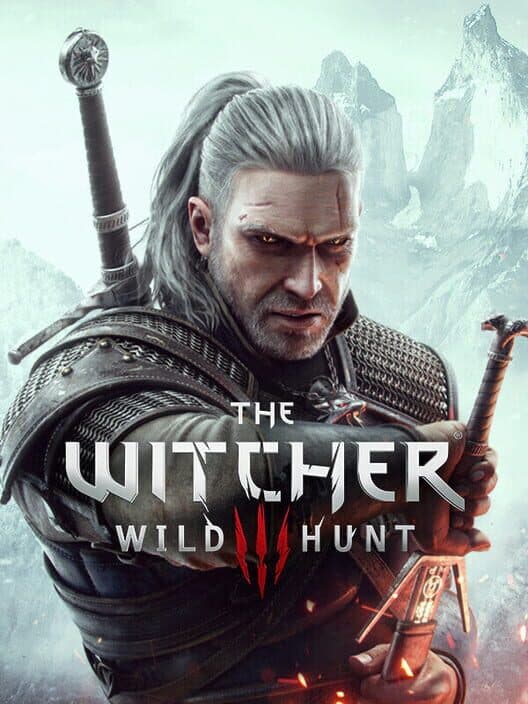
The Witcher 3: Wild Hunt
WB Games • 2015 • Xbox Series X|S, PlayStation 4, PC (Microsoft Windows), PlayStation 5, Xbox One, Nintendo Switch
Is The Witcher 3: Wild Hunt Worth It?
Yes—The Witcher 3 is still worth it if you want a long solo game carried by writing, atmosphere, and side quests that feel genuinely meaningful. Its biggest strength is that even small monster jobs can turn into human stories with real consequence, so the world rarely feels like filler. If you like dark fantasy, slow-burn storytelling, and making choices you may think about later, it still delivers something special. What it asks from you is patience. Combat is good enough, not amazing, and movement, horse handling, and menus can feel older than the writing deserves. It also wants regular attention over many weeks, not a single busy weekend. Buy at full price if story and world-building matter more to you than perfect action combat. Wait for a sale if you mainly want slick swordplay or have very limited game time right now. Skip it if you dislike long conversations, heavy mature content, or games that expect you to remember people and politics between sessions. For the right player, it remains an easy recommendation.
What is The Witcher 3: Wild Hunt like?
Opinions of The Witcher 3: Wild Hunt
What Players Love
- Players Love
Side quests often outshine entire games’ main stories
Players rave that optional contracts and character arcs rarely feel like filler. Even small jobs can open into memorable drama, moral choices, and lasting emotional weight.
- Players Love
Each region feels distinct, lived-in, and worth wandering
Velen, Novigrad, and Skellige are praised for different cultures, music, and mood. Exploring them feels like learning real places, not clearing a generic map.
- Players Love
Choices stay messy instead of turning into simple good-or-evil
Players love that many decisions feel human and uncomfortable rather than obvious. Outcomes can be political, personal, or bittersweet without neat hero-versus-villain framing.
Common Concerns
- Common Concern
Swordplay, movement, and horse controls can feel dated
Even fans often say combat lacks crisp feedback and that turning, collision, or riding can feel awkward, especially if you’re coming from newer action games.
- Common Concern
Inventory chores and menu clutter can slow the adventure
Encumbrance, item sorting, and frequent gear comparisons break the flow for some players. The story pulls you forward, but housekeeping can interrupt that momentum.
Divisive Aspects
- Divisive
The slow early pace feels rich or overlong
Some players love the deliberate build-up, travel, and long conversations because they deepen immersion. Others bounce off before the world fully opens up.
What does The Witcher 3: Wild Hunt demand from you?
Time
HIGHTime
It fits weeknight sessions well, but it’s still a long journey that works best when you return regularly over several weeks.
Focus
MODERATEFocus
Steady attention pays off here: follow names, choices, and clues, then switch into readable but active combat without needing lightning-fast hands.
Challenge
MODERATEChallenge
The first hours feel busier than they are hard; once signs, dodging, and prep click, the whole game becomes much more comfortable.
Intensity
MODERATEIntensity
Dark stories and uneasy choices do most of the heavy lifting, while combat stays tense but rarely reaches panic-mode pressure on normal.
Frequently Asked Questions
You Might Also Like
Games with a similar rhythm and feel, even if they look different