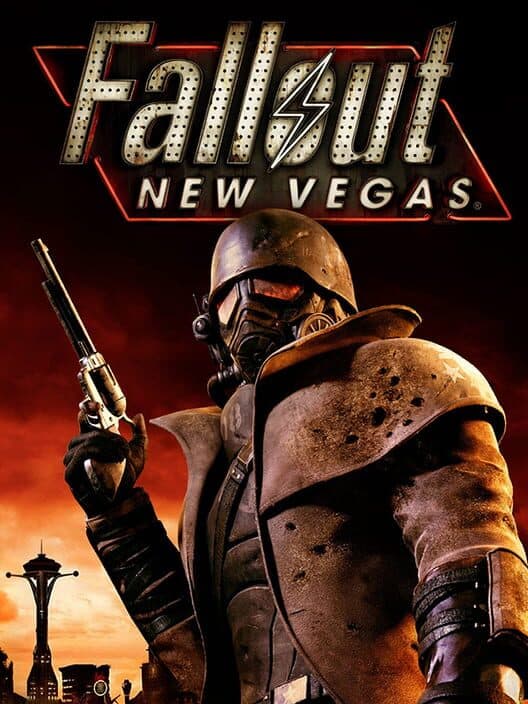
Fallout: New Vegas

Bandai Namco Entertainment2010PlayStation 3, PC (Microsoft Windows), Xbox 360
Story-rich open-world post-nuclear RPG

Choices shape factions and final ending

Flexible, save-anywhere single-player experience

Is Fallout: New Vegas Worth It?

Fallout: New Vegas is worth playing today if you value meaningful choices and rich world-building more than modern graphics or slick gunplay. It shines for players who enjoy reading dialogue, thinking through political and moral dilemmas, and seeing a world genuinely react to their decisions. In return, it asks for a multi-week commitment and a tolerance for dated visuals, occasional bugs, and clunky combat. Buy at full price (or whatever current asking price is) if you love story-driven RPGs like The Witcher 3 or Mass Effect and have room for a 30–50 hour single-player campaign. Wait for a sale if you’re only mildly curious, especially if you’re sensitive to jank or unsure about the heavy themes. You should probably skip it if you mainly want fast, modern-feeling shooting, hate reading lots of text, or prefer very guided experiences. For a busy adult who can live with rough edges, New Vegas delivers one of the most satisfying “my choices actually mattered” stories in gaming.

When is Fallout: New Vegas at its best?

When you have a free evening hour or two and want to sink into a story-rich world, finishing a questline and making a few meaningful choices before bed.

On a quieter weekend afternoon when you can play longer, ideal for pushing a major faction arc forward, exploring new regions, and tinkering with your character build without watching the clock.

When you’re in the mood for thoughtful, morally gray storytelling rather than pure action, and you’d like to play solo at your own pace without coordinating with friends.

What is Fallout: New Vegas like?

New Vegas is a substantial but flexible commitment. Seeing one main storyline through, plus a good handful of standout side quests, typically takes 30–50 hours. For someone with 5–15 hours a week, that’s several weeks of regular play. The world is open and player-directed: you decide which regions to explore, which factions to support, and how deep to dive into optional areas. That freedom can stretch the experience if you chase every task, but it also lets you intentionally keep a run focused. Structurally, it’s very friendly to adult schedules. You can pause anytime and save almost anywhere, then wrap up a session after finishing a quest step or returning to a town. There’s some friction if you leave for a couple of weeks—you’ll likely spend a few minutes re-reading quests and remembering your plans—but the logs help. Overall, it asks for a meaningful, story-length investment but lets you break that into predictable, interruption-friendly chunks.

Tips

  • Aim for sessions where you complete one clear quest or story beat, then stop, instead of drifting through endless small tasks.
  • Use manual or quick saves before big conversations or dangerous areas so unexpected interruptions don’t force you to redo long stretches.
  • Choose a main faction path early and skip side content that doesn’t interest you, keeping the overall playthrough closer to the 30–40 hour mark.

Fallout: New Vegas asks for a steady but manageable level of attention. In a typical session you’re reading quests, navigating the Pip-Boy, scanning the desert, and choosing how your character responds to people and problems. Combat can be approached calmly thanks to V.A.T.S., which pauses the action and lets you line up shots instead of relying on razor-sharp aim. The quiet walks between locations give your brain some breathing room, but you still need to check the compass for enemies, hidden mines, and new places to discover. The main drain on your mental energy isn’t fast reactions, it’s tracking who wants what, what you’re carrying, and where you plan to go next. You can’t completely zone out; the game regularly asks you to read, decide, and plan. But you also don’t need the razor focus of a competitive shooter. It fits evenings when you’ve got some mental energy left and want to think a bit, without feeling overwhelmed.

Tips

  • If you’re tired, favor quests in towns or dialogue-heavy hubs so you’re choosing responses more than fighting through long dungeons.
  • Use V.A.T.S. often and pause to manage weapons and healing; treating fights like mini turn-based encounters keeps focus demands reasonable.
  • Before quitting, set a clear map marker or jot a quick note about your next goal so re-entry takes less effort.

For a game with a big reputation, Fallout: New Vegas is pretty approachable. Within a few sessions you’ll understand the basics of SPECIAL stats, skills, perks, and how conversations and quests work. The shooting is straightforward and V.A.T.S. does much of the precision work for you. You don’t need a perfect build or deep research to complete a first playthrough on Normal. That said, improving at the game does feel good. Learning which skills support your preferred approach, how factions react to various actions, and where the dangerous areas are can turn later hours from scrappy survival into confident problem-solving. Mastery mostly removes friction: you waste less ammo, avoid painful fights, and unlock nicer dialogue options more often. The gap between “good enough” and “expert” is noticeable but not enormous, which is great for time-poor players. You can enjoy a strong, meaningful run without treating the game like a second job.

Tips

  • Early on, pick one or two combat skills and one speech or utility skill to focus on, instead of spreading points across everything.
  • Don’t obsess over a perfect build; Normal difficulty is forgiving, and companions plus V.A.T.S. can cover for less-than-ideal choices.
  • Notice which weapons you actually use and invest in the matching skills so your favorite gear steadily feels stronger.

New Vegas lands in the middle of the intensity scale. It’s absolutely not a cozy game—the violence is graphic, the world is bleak, and the themes include war crimes, slavery, and addiction. But moment to moment, the pressure is usually manageable. On Normal difficulty, most fights feel like skirmishes you can control with preparation and smart positioning. Death is common enough to keep you honest, but quick reloads and generous healing mean it rarely feels brutal. The sharper edge often comes from moral weight instead of raw danger: deciding which town survives, which faction gains power, or how cruel you’re willing to be. Those choices can stick with you without spiking your heart rate the way horror games or intense multiplayer shooters do. For a busy adult, that means New Vegas can be emotionally heavy but not typically overwhelming. It’s best when you’re okay with mature content and some tension, but don’t want constant adrenaline.

Tips

  • Stick to Normal or Easy if you’re here mostly for story; that keeps tension present without making every fight stressful.
  • Skip Hardcore mode on a first run unless you really enjoy extra pressure from hunger, thirst, and harsher survival rules.
  • If a quest choice feels emotionally rough, pause, step away, or check a guide instead of forcing yourself to decide on the spot.

Frequently Asked Questions