Bethesda Softworks • 2025 • PC (Microsoft Windows), PlayStation 5, Xbox Series X|S
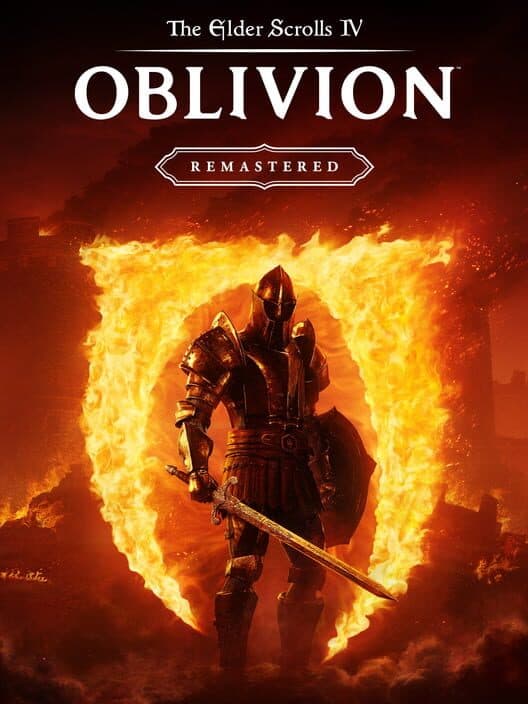
Oblivion Remastered is worth it if you want a roomy fantasy world that keeps pulling you off the road and you are okay with some old-school rough edges. The big draw is freedom: you can chase the main story, join a guild, rob a house, wander into a ruined fort, or spend the night selling loot and brewing potions. It fits real life better than many open-world games because you can pause, save almost anywhere, and stop after one dungeon or quest step. What it asks from you is patience with menus, inventory cleanup, and systems that are not always clear at first. Combat is serviceable rather than thrilling, and character growth may still feel odd if the classic scaling quirks remain mostly intact. Buy at full price if Cyrodiil's atmosphere, faction questlines, and open-ended role-play sound like comfort food with a strong visual upgrade. Wait for a sale if you want sharper combat or cleaner progression. Skip it if you need tight pacing and polished action from start to finish.

Bethesda Softworks • 2025 • PC (Microsoft Windows), PlayStation 5, Xbox Series X|S
Oblivion Remastered is worth it if you want a roomy fantasy world that keeps pulling you off the road and you are okay with some old-school rough edges. The big draw is freedom: you can chase the main story, join a guild, rob a house, wander into a ruined fort, or spend the night selling loot and brewing potions. It fits real life better than many open-world games because you can pause, save almost anywhere, and stop after one dungeon or quest step. What it asks from you is patience with menus, inventory cleanup, and systems that are not always clear at first. Combat is serviceable rather than thrilling, and character growth may still feel odd if the classic scaling quirks remain mostly intact. Buy at full price if Cyrodiil's atmosphere, faction questlines, and open-ended role-play sound like comfort food with a strong visual upgrade. Wait for a sale if you want sharper combat or cleaner progression. Skip it if you need tight pacing and polished action from start to finish.
Players are likely to love how one planned quest can turn into a memorable night of guild leads, cave dives, shrine finds, and town stories without feeling wasted.
Even with refinements, many players will probably notice stiff melee, odd enemy reactions, and awkward NPC behavior because those rough edges show up in ordinary play.
Some will be happy the remaster keeps the original's quirks and pacing. Others will wish it went further, smoothing out old systems instead of preserving them.
The stronger presentation should make cities, forests, and famous landmarks feel vivid again, especially for returning players who wanted a glow-up without losing the original mood.
Several players are likely to bounce off growth systems that reward some skill use more than others, making natural play feel strangely punished or hard to read.
Players are likely to love how one planned quest can turn into a memorable night of guild leads, cave dives, shrine finds, and town stories without feeling wasted.
The stronger presentation should make cities, forests, and famous landmarks feel vivid again, especially for returning players who wanted a glow-up without losing the original mood.
Even with refinements, many players will probably notice stiff melee, odd enemy reactions, and awkward NPC behavior because those rough edges show up in ordinary play.
Several players are likely to bounce off growth systems that reward some skill use more than others, making natural play feel strangely punished or hard to read.
Some will be happy the remaster keeps the original's quirks and pacing. Others will wish it went further, smoothing out old systems instead of preserving them.
Easy to fit into individual evenings, but the real payoff builds across weeks. One quest step works nightly; seeing Cyrodiil properly takes a longer relationship.
This is flexible in the short term and substantial in the long term. On a busy weeknight, you can absolutely log in, finish a dungeon, sell your loot, make a save, and stop. Full pause and save-anywhere support make it much easier to live with than many open-world games. In return for that flexibility, the game asks you to accept that the full magic arrives slowly. Cyrodiil becomes special over repeated sessions, as town names start sticking, faction lines deepen, and your character finally feels like a real version of themselves. A satisfying run for most people is not just the main quest. It is the main quest plus at least one memorable faction story and enough wandering to feel attached to the world. That usually means a 30-50 hour relationship, not a quick fling. The only recurring time cost is coming back after a break. Because the structure is loose, returning after a week often means journal reading, inventory checking, and a few minutes of remembering what mattered. End in a clean spot, and that friction stays manageable.
Most of your attention goes to picking tonight's goal, managing gear, and handling detours. Combat is readable, but the world constantly tempts you to split focus.
This asks for steady attention rather than razor-sharp reflexes. Most of your brainpower goes into light planning: picking one quest, noticing when a cave or shrine is worth a detour, choosing what loot is worth carrying, and deciding whether a fight is best handled with steel, arrows, summons, or a quick heal. That means the game often feels busy in a pleasant, role-play way even when nothing dramatic is happening. In return, you get the sense that you are actually inhabiting a character instead of just clearing map icons. The good news is that the pace is usually readable. You can pause at any moment, and many stretches of travel or town time are forgiving enough for a brief interruption. The catch is that it is not a great background game. If you half-watch it while multitasking, you will lose track of quests, inventory, and why you wandered into your current ruin in the first place. The best sessions start with a clear plan and leave room for one or two tempting detours.
Starting is easy enough. Building a character that feels strong, flexible, and intentional takes longer because the older rules are not always obvious.
You can begin adventuring almost right away. Swinging a sword, casting a spell, sneaking through a cave, and following a quest marker are all easy to understand. The harder part comes later, when the game starts asking whether you really understand how your skills, gear, leveling, magic, and enemy scaling fit together. That is where the older design shows. The systems are not impossible, but they are not always cleanly explained, and natural play can sometimes produce strange results. In return for pushing through that early uncertainty, you get a strong sense of ownership over your character. Your build starts feeling personal instead of prepackaged, and even a simple guild line can feel different depending on how you approach it. The safest mindset is curiosity, not optimization. You do not need to perfect every level-up to enjoy the game, but you do need some patience while the pieces click. Think of it as approachable to start, mildly messy to truly understand, and rewarding once your playstyle settles in.
This is a gentle adventure first and a tense action game second. Dangerous moments matter, yet quick saves stop most bad outcomes from snowballing.
The emotional pull here is mostly curiosity, not panic. You spend more time wondering what is over the next hill than white-knuckling your way through constant danger. Caves, forts, Oblivion gates, and stolen-goods mishaps can absolutely create short bursts of tension, especially when health drops fast or guards get involved. Still, those spikes pass quickly because the game gives you so many safety nets. Manual saves, quicksaves, and frequent pauses keep mistakes small, which makes the world feel inviting even when it gets spooky. In return for tolerating some awkward fights and occasional old-school roughness, you get a roomy fantasy adventure with just enough danger to make discoveries feel earned. The main caveat is that frustration comes from systems more often than fear. If your build feels weaker than expected, or you hit a rough patch in the scaling, the stress is more annoyance than thrill. So this works best when you want light adventure energy with a little edge, not nonstop pressure or deep calm.
Games with a similar rhythm and feel, even if they look different