THQ Nordic • 2026 • Xbox Series X|S, Nintendo Switch 2, PC (Microsoft Windows), PlayStation 5
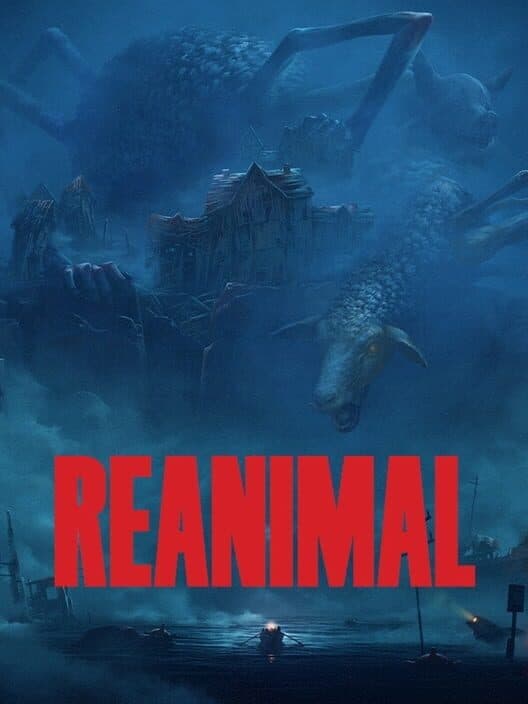
Yes, Reanimal is worth it if you want a short, intense horror trip and care more about mood than length. Its best qualities are easy to see: fantastic creature design, oppressive sound and art direction, and chase scenes that feel even better with a friend. It delivers a lot of dread per hour, and the co-op option adds real value instead of feeling tacked on. The tradeoff is just as clear. This is a 4 to 7 hour campaign with simple puzzles, light combat, and limited replay outside collectibles, chapter cleanup, and a secret ending. If you measure value mostly in raw hours or deep systems, full price is a harder sell. Launch-period softlocks and co-op stability issues also mean cautious buyers may want to confirm current patch status first. Buy at full price if you love Tarsier-style horror, want a compact weekend experience, or have a partner ready for co-op. Wait for a sale if the atmosphere looks great but the runtime gives you pause. Skip it if you want a relaxing game, deeper puzzle design, or lots of content for the money.

THQ Nordic • 2026 • Xbox Series X|S, Nintendo Switch 2, PC (Microsoft Windows), PlayStation 5
Yes, Reanimal is worth it if you want a short, intense horror trip and care more about mood than length. Its best qualities are easy to see: fantastic creature design, oppressive sound and art direction, and chase scenes that feel even better with a friend. It delivers a lot of dread per hour, and the co-op option adds real value instead of feeling tacked on. The tradeoff is just as clear. This is a 4 to 7 hour campaign with simple puzzles, light combat, and limited replay outside collectibles, chapter cleanup, and a secret ending. If you measure value mostly in raw hours or deep systems, full price is a harder sell. Launch-period softlocks and co-op stability issues also mean cautious buyers may want to confirm current patch status first. Buy at full price if you love Tarsier-style horror, want a compact weekend experience, or have a partner ready for co-op. Wait for a sale if the atmosphere looks great but the runtime gives you pause. Skip it if you want a relaxing game, deeper puzzle design, or lots of content for the money.
Players consistently praise the grotesque monster designs, oppressive spaces, and sound work. Even mixed reviews usually agree the horror presentation is the game's biggest strength.
The most common complaint is value for money. A 4 to 7 hour campaign leaves some players happy with the ride, but unsure about the launch price.
Some players enjoy the ambiguity and stripped-down obstacle design, while others want clearer storytelling and puzzles with more bite to support the strong atmosphere.
Many players say the game improves with a partner. Quick callouts, shared mistakes, and nervous laughter make chases and simple puzzles feel more alive.
Disconnects, softlocks, and crashes were widely reported at launch, especially in co-op. Developer patch notes backed up those complaints, so this was more than a few isolated cases.
Players consistently praise the grotesque monster designs, oppressive spaces, and sound work. Even mixed reviews usually agree the horror presentation is the game's biggest strength.
Many players say the game improves with a partner. Quick callouts, shared mistakes, and nervous laughter make chases and simple puzzles feel more alive.
The most common complaint is value for money. A 4 to 7 hour campaign leaves some players happy with the ride, but unsure about the launch price.
Disconnects, softlocks, and crashes were widely reported at launch, especially in co-op. Developer patch notes backed up those complaints, so this was more than a few isolated cases.
Some players enjoy the ambiguity and stripped-down obstacle design, while others want clearer storytelling and puzzles with more bite to support the strong atmosphere.
This is a short, chapter-based trip that fits a few weeknights well, though checkpoint saves and co-op setup make interruptions a little less painless.
Reanimal is easy to fit into a busy schedule in the big picture because the whole base campaign is usually finished in about 4 to 7 hours. That is a couple of longer evenings or several weeknight sessions, and the chaptered structure gives you clean places to stop. In return for that compact length, you get a tightly paced experience with very little filler. The catch is that moment-to-moment flexibility is only decent, not excellent. The game relies on checkpoints and autosaves rather than full save-anywhere freedom, so stopping in the middle of a sequence can cost you a few minutes. It also plays best in 60 to 90 minute blocks because horror atmosphere takes time to build, and co-op sessions work better when both people can stay present. Coming back after a week is fairly easy since the mechanics are simple and the path forward is usually clear. This is not a forever game. It is a concentrated trip, with optional collectibles and a secret ending if you want a small second pass.
You need eyes and ears on the screen almost the whole time, but the thinking stays simple: read the room, solve a light obstacle, then react fast when danger hits.
Reanimal asks for steady attention, not deep planning. Most of your mental effort goes into scanning dark spaces, spotting movement, remembering the last locked door or movable object, and keeping track of where your partner is during co-op. The puzzles rarely stop the game cold. Instead, they give you just enough to think about before the next scare, chase, or stealthy walk through a bad place. That makes it a poor fit for half-watching TV or checking messages every few minutes. You can understand what the game wants quickly, but you still need to stay present because danger often arrives with little warning. The good news is that the decisions are immediate and readable. You are usually choosing when to move, where to hide, what to interact with, or whether a side path looks worth checking. In return for that attention, the game delivers strong immersion. When the sound design swells and something shifts in the darkness, you feel plugged into the scene in a way that lighter, more distracted play would miss.
You can learn the basics fast, and the game is forgiving about mistakes, but it still wants calm movement and a feel for its chase rhythm.
This is not a game with dense systems, long combo lists, or a huge skill wall. Most people will understand the core actions quickly: move, climb, drag, interact, hide, run, and occasionally work in sync with a second character. The real learning happens in the feel of the game. You need to get used to its camera, the way it frames threats, and how it telegraphs when a room is about to turn dangerous. The puzzles themselves usually will not hold you up for long, which is good news if you worry about getting stuck. Reanimal asks for composure more than mastery. Missed jumps or bad panic routes can kill you, but generous checkpoints make retries painless, so you can improve by simple repetition instead of losing major progress. In return, the game gives you a satisfying sense of surviving by keeping your head. Players who want deep mechanical growth may find it too light. Players who want a horror journey that teaches itself quickly will probably appreciate that restraint.
This is more nerve-racking than mechanically hard, with dread, grotesque imagery, and sudden sprints doing most of the heavy lifting.
Reanimal's biggest ask is emotional, not technical. Even when you are only dragging an object or crossing a simple room, the game works hard to make you feel unsafe. The camera lingers in bad places. The sound design keeps hinting that something is nearby. Then a calm stretch can suddenly turn into a chase, and your stress level spikes even though the controls themselves stay fairly straightforward. That creates the good kind of horror pressure for players who enjoy being scared on purpose. You feel tense, alert, and relieved when you make it through. The harsher kind of frustration mostly comes from outside the intended design: an awkward jump, a slightly fussy camera angle, or technical hiccups some players have reported since launch. Because checkpoints are generous, failure usually costs only a short retry instead of a big setback. So the game feels intense without being brutal. If you want a relaxing wind-down game, this is the wrong pick. If you want a short burst of dread that stays manageable, it hits that sweet spot well.
Games with a similar rhythm and feel, even if they look different