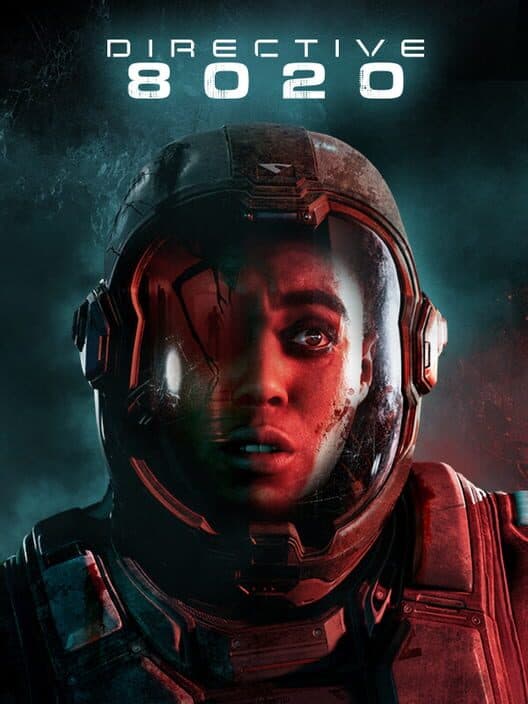
Bandai Namco Entertainment • 2026 • PC (Microsoft Windows), PlayStation 5, Xbox Series X|S
Based on current preview coverage, Directive 8020 looks worth it if you want a compact horror story you can finish in a few nights. Its biggest pull is the mix of space paranoia, branching character fates, and the kind of big, ugly choices that are fun to debate afterward. The new Turning Points system is also a real selling point for anyone who likes seeing alternate outcomes without replaying huge chunks. What it asks from you is attention and a tolerance for stress. This is still a gore-heavy, jumpy, cinematic game, and the stealth sections may be the weak link if early concerns about camera feel or patrol readability hold up. Buy at full price if you already enjoy Supermassive-style choice horror and want one intense, polished weekend run. Wait for a sale if you are curious but mostly care about smooth stealth gameplay or you bounce off heavy gore. Skip it if you want action freedom, low-pressure vibes, or a game you can half-watch while doing something else. The verdict is promising, but a little more provisional than usual because public post-launch feedback is still thin.

Bandai Namco Entertainment • 2026 • PC (Microsoft Windows), PlayStation 5, Xbox Series X|S
Based on current preview coverage, Directive 8020 looks worth it if you want a compact horror story you can finish in a few nights. Its biggest pull is the mix of space paranoia, branching character fates, and the kind of big, ugly choices that are fun to debate afterward. The new Turning Points system is also a real selling point for anyone who likes seeing alternate outcomes without replaying huge chunks. What it asks from you is attention and a tolerance for stress. This is still a gore-heavy, jumpy, cinematic game, and the stealth sections may be the weak link if early concerns about camera feel or patrol readability hold up. Buy at full price if you already enjoy Supermassive-style choice horror and want one intense, polished weekend run. Wait for a sale if you are curious but mostly care about smooth stealth gameplay or you bounce off heavy gore. Skip it if you want action freedom, low-pressure vibes, or a game you can half-watch while doing something else. The verdict is promising, but a little more provisional than usual because public post-launch feedback is still thin.
Preview coverage keeps praising the Alien and The Thing-style setup, stronger visuals, and more confident performances, making the project feel like a real step up.
The clearest concern is real-time stalking and sneaking. Several previews mention slow camera movement, fuzzy patrol reads, or pacing that does not fully click yet.
Some players love the larger scope and fresh direction, while others worry it drifts too far from the tighter anthology feel that defined earlier entries.
Writers and fans like being able to jump back to major choice moments instead of replaying whole chapters, which makes saving favorite characters far less frustrating.
Preview coverage keeps praising the Alien and The Thing-style setup, stronger visuals, and more confident performances, making the project feel like a real step up.
Writers and fans like being able to jump back to major choice moments instead of replaying whole chapters, which makes saving favorite characters far less frustrating.
The clearest concern is real-time stalking and sneaking. Several previews mention slow camera movement, fuzzy patrol reads, or pacing that does not fully click yet.
Some players love the larger scope and fresh direction, while others worry it drifts too far from the tighter anthology feel that defined earlier entries.
A full run looks like a strong weekend project, with clean chapter breaks and full pause support. The main caveat is autosaves and remembering your story state.
This looks like one of the easier horror games to fit into a busy week. A full run appears to land around one strong weekend or a few weeknights, and the episode structure creates natural stopping points instead of begging for just one more hour. Full pause support in offline play is a huge plus too. If real life interrupts, you can stop without the game fighting you. The main schedule caveat is the save setup. Current info points to autosaves rather than true save-anywhere freedom, so it is smartest to stop after a chapter break, big decision, or clear record icon. Coming back after several days should be pretty manageable because the story tree and episode flow help you remember where you are, though you may still need a short recap in your head if the cast has splintered. It is also very solo-friendly. Couch co-op is a fun extra, not an obligation. In exchange for a few nights of focused attention, you get a complete beginning-to-end story instead of another endless hobby game.
Mostly story-led, but it wants your eyes on the screen during stealth, scanning, and fast choices. You aren't juggling huge systems, just constant tension and context.
Directive 8020 asks for steady, eyes-on-screen attention, but not because it is a giant systems-heavy game. Most of the mental work comes from following conversations, remembering who said what, reading the mood of the crew, and spotting danger in dim ship corridors. When the game shifts into stealth or a sudden prompt, you cannot coast. You will be watching patrol routes, keeping track of sightlines, and reacting fast enough to avoid a bad outcome. The good news is that this thinking stays readable. You are not juggling inventories, builds, or complex resource plans. You are mostly making story-led judgment calls under pressure. That makes it easier to learn than a big action or strategy game, while still feeling involving from moment to moment. In return for that attention, the game delivers strong suspense and the nice feeling that your choices came from what you noticed, not from random guessing. It is a bad fit for second-screen play, but a good fit if you want a focused, cinematic night where small details matter.
Easy to learn the controls, harder to keep everyone alive. Most players will understand the tools quickly, then spend the rest of the game managing nerves and consequences.
The learning curve looks friendly for most players. Walking, examining rooms, using the scanner, hitting quick prompts, and handling light stealth should all make sense within the first hour or two. This is not the kind of game that asks you to study a wiki or spend ten hours just understanding the basics. Where it gets interesting is after the controls click. Then the real test becomes reading situations, choosing when to take a risk, and accepting that a sloppy decision might reshape the rest of the story. In other words, it is easier to learn than it is to play cleanly. The good news is that the game seems to offer softer landing pads than older Supermassive releases. Turning Points lets you revisit major choices, which means mistakes can become lessons instead of run-killers if you want that safety net. In exchange for a modest learning ask, the game gives you that satisfying horror-story feeling of barely holding things together. You do not need elite skill. You just need calm hands and a willingness to own a few messy outcomes.
This is tense, jumpy, stomach-knot horror more than brutally hard action. The stress comes from dread, gore, and fear of losing people you care about.
Expect high nerves, not extreme mechanical punishment. Directive 8020 seems built to keep you tense through sound design, dark corridors, imitation paranoia, and the constant fear that one wrong move could cost a character. That means the stress is often the fun. Even simple walking scenes can feel sharp because the tone keeps telling you something awful may be around the corner. The violence rating also matters here. This is not mild spooky atmosphere. The gore and body-horror imagery are part of the experience, so the pressure is emotional as much as practical. The upside is that it does not look like a relentlessly hard action game. On a normal run, the challenge seems more like staying calm and making the call than repeating the same fight twenty times. In exchange for that stomach-knot tension, you get memorable reveals, stronger attachment to the crew, and decisions that feel heavier than they would in a breezier story game. Great when you want dread with payoff. Less great when you want to relax before bed.
Games with a similar rhythm and feel, even if they look different