hello@slated.gg
Powered by IGDB•Privacy•Terms

© 2026 Slated.gg

Slated.gg
Popular GamesAboutDiscover Games
Chronoscript: The Endless End

Shueisha Games • 2026 • PC (Microsoft Windows), PlayStation 5
Rewarding skill growthPerfect for a weekend
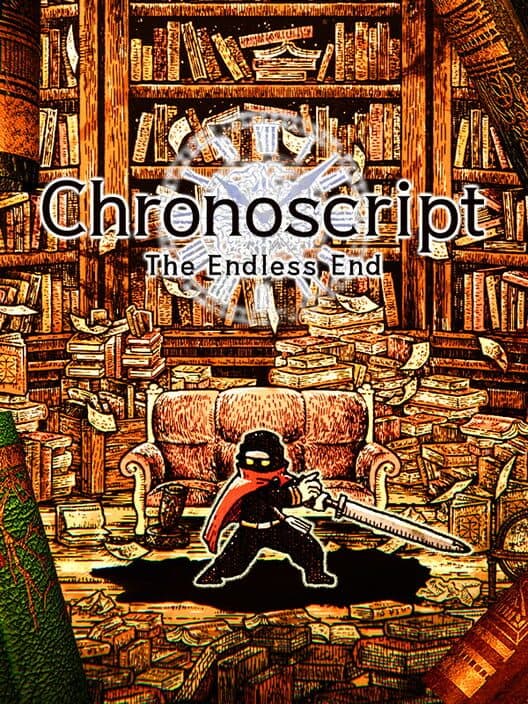
Chronoscript: The Endless End cover art

Chronoscript: The Endless End

Shueisha Games • 2026 • PC (Microsoft Windows), PlayStation 5

Rewarding skill growthPerfect for a weekend

Is Chronoscript: The Endless End Worth It?

Based on current pre-launch information, Chronoscript looks worth watching if you want a stylish, demanding exploration game and you're comfortable waiting for reviews before jumping in. Its biggest draw is the mix of 2D manuscript pages and a 3D manor layout, which could make discovery feel genuinely fresh instead of like another familiar dark fantasy trek. What it seems to ask from you is patience, close screen attention, and a willingness to learn enemy patterns, routes, and bench-to-bench progress. In return, it promises satisfying breakthroughs, striking art, and a self-contained journey with a real ending instead of endless busywork. Buy at full price if you already love games in the Hollow Knight or Blasphemous lane and the art direction is enough to pull you in. Wait for reviews or a sale if combat readability matters a lot to you, because that is the biggest current concern. Skip it if you mainly want relaxed exploration, easy re-entry after long breaks, or constant hand-holding about where to go next.

What is Chronoscript: The Endless End like?

Opinions of Chronoscript: The Endless End

What Players Love

  • Players Love

    Hand-drawn art is the biggest hook so far

    Across preview chatter, the inked look is what makes people stop scrolling. Many say the visuals alone make the game memorable and easy to wishlist.

  • Players Love

    The page-and-manor structure feels genuinely fresh to players

    Players keep coming back to the way 2D manuscript pages connect to a 3D manor space. It reads as more than a visual trick and could make exploration feel new.

Common Concerns

  • Common Concern

    Combat and platforming readability still worry some players

    The most common caution is visual clarity. Some viewers worry foreground details, backgrounds, and effects may blur together during fast fights or tricky jumps.

Divisive Aspects

  • Divisive

    Permadeath associations make some metroidvania fans hesitate early

    Some players like the extra challenge angle, while others worry the game could lean too hard into restart-heavy structure. Better launch clarity should ease that concern.

What does Chronoscript: The Endless End demand from you?

Time

MODERATE

Time

This looks like a several-week solo journey that fits 60 to 90 minute nights well, though long breaks will probably cost you some map memory.

MODERATE

For most people, this seems like a manageable but real commitment rather than a quick one-weekend game. A normal run to credits will likely take multiple weeks at a few evenings per week, which is a good fit if you like chipping away at a handcrafted world over time. The structure looks friendly to regular nightly sessions because benches should create natural exhale points, and full pause means real-life interruptions are not a disaster. The main catch is that stopping is easier than fully leaving. If you take a week or two off, you may need time to remember where you were going, which routes were blocked, and how your current tools work. The nice tradeoff is that there are no group obligations, no timed events, and no competitive pressure to keep up. It asks for consistency more than volume. In return, it promises a self-contained solo journey with a clear ending instead of a forever game that keeps adding chores.

Tips
  • Aim for 45 to 90 minute sessions so you have time to reach a bench, test a route, and end on a clean stopping point.
  • After each session, take a quick screenshot or note about your next likely path; it helps a lot if life pulls you away.
  • If you only have twenty minutes, spend it upgrading, checking nearby paths, or replaying familiar rooms instead of starting a risky deep push.

Focus

HIGH

Focus

You need your eyes on the screen and your brain engaged, but the game seems more about reading rooms and routes than pure speed.

HIGH

This game looks like it asks for steady attention almost the whole time you're actively playing. In combat, you'll likely be reading attack tells, spacing enemies, and timing jumps or dodges cleanly. Outside fights, the main mental load seems to come from understanding where each manuscript page fits inside the larger manor space. That should make navigation feel more interesting than a simple left-to-right map, but it also means you probably cannot half-watch TV and play well. The good news is that it doesn't seem to demand nonstop split-second reactions like a competitive shooter. Instead, it asks for alert, deliberate play and rewards you with those satisfying moments where the map suddenly makes sense or a room that felt messy starts to feel readable. If you like games that keep you mentally present without becoming a spreadsheet, this looks promising. If you want something you can play while distracted, it probably won't be a great fit.

Tips
  • End sessions at benches when you can, so your next play session starts safe and you can quickly remember your route and upgrades.
  • If you get lost, stop and picture how the current page connects to the manor instead of forcing progress through random rooms.
  • Treat early boss attempts as study runs first; watching attack tells usually helps more than chasing extra damage.

Challenge

MODERATE

Challenge

It seems to want patience more than perfection: learn enemy behavior, absorb the map, and let repeated runs turn confusion into confidence.

MODERATE

This looks challenging in a familiar, readable way rather than a deliberately cruel or opaque one. You probably won't master it in your first hour, but it also doesn't seem like the kind of game that needs outside guides just to understand the basics. The core process appears simple: fight, fail, notice patterns, upgrade at benches, return stronger, and slowly understand how the map and movement tools fit together. That means the early game may feel demanding, especially if you're rusty with action-platform combat, but the path to getting better should be visible. It asks for patience, repetition, and a willingness to learn from each mistake. In return, it should deliver one of the best kinds of payoff in action games: not random success, but the clear feeling that you are genuinely improving. If you liked learning bosses in games like Hollow Knight or Blasphemous without needing elite-level precision, this seems aimed squarely at that space. If you bounce hard off repeated deaths, this may wear you down.

Tips
  • Pick one or two enemy types to learn each session instead of trying to solve the whole map and every boss at once.
  • Use upgrades to smooth rough edges, but do not ignore movement and timing practice since the game seems built around both.
  • When stuck, revisit earlier rooms with new abilities before grinding one wall; these games often hide easier progress in previously blocked paths.

Intensity

MODERATE

Intensity

Expect steady gothic pressure and some real boss-fight nerves, with benches and quieter exploration giving you room to breathe between spikes.

MODERATE

The overall mood seems tense, dark, and a little oppressive, but not full-on panic mode. Most of the pressure likely comes from pushing deeper into hostile rooms, hoping to reach the next bench without wasting the last few minutes of progress. Bosses and denser combat stretches should create the sharpest stress, especially when movement, attacks, and positioning all matter at once. At the same time, this does not look like nonstop screaming-horror or constant adrenaline. Benches, quieter map reading, and story beats should break up the pressure and keep the game from feeling emotionally exhausting every minute. What it asks from you is tolerance for repeated attempts and short bursts of meaningful risk. In return, it seems ready to deliver a strong sense of relief, accomplishment, and forward momentum whenever a hard room finally clicks. If you enjoy that good kind of stress where tension makes victory sweeter, this could land well. If you want a cozy nightly unwind, it may feel too sharp.

Tips
  • Play when you have enough energy for a few retries, not as a background wind-down game after an already draining day.
  • Bank progress at a bench before testing a suspicious route if losing ten or fifteen minutes would sour the session.
  • Lower the difficulty if available rather than brute-forcing frustration; the atmosphere and exploration should still come through.

Frequently Asked Questions

Chronoscript looks medium-hard to hard, not impossible. The challenge seems to come from learning enemy tells, clean movement, and making smart bench-to-bench pushes, not from unfair randomness. Think closer to Hollow Knight or Blasphemous on a normal first run than to a breezy story-led action game. The good news is that it does not appear hard to understand in a confusing way. You will probably grasp the basics within a few sessions. The harder part is turning that knowledge into consistency, especially during bosses and trickier movement sections. That means it may feel rough early on, then become much more manageable once patterns click and upgrades start helping. Difficulty options have been mentioned, which should lower the barrier for players who want the world and story more than a wall of resistance, though the exact range of accessibility support is still unclear before launch. If you enjoy learning by retrying and improving, this could feel rewarding. If you dislike repeated deaths or lose patience with pattern-heavy bosses, it will probably feel harder than the art style first suggests.

A normal first playthrough looks likely to land around 15 to 25 hours, with 25 to 35 hours more realistic if you like exploring side paths, get stuck on bosses, or go back for extra cleanup. That estimate is still pre-launch, so treat it as informed range rather than confirmed runtime. The good fit for most people will probably be 45 to 90 minute sessions. The game seems built around bench stops, which should give you natural places to save, heal, upgrade, and call it a night. That makes it easier to play across a few evenings each week instead of needing marathon weekends. The bigger time ask is not total length so much as continuity. If you stay fairly consistent, the map and combat language should build nicely from session to session. If you disappear for two weeks, expect to spend some time remembering routes, tools, and enemy patterns. It looks like a several-week solo journey with a clear finish line, not a forever game and not a one-night novelty.

The likely stress here is the good kind for the right player: steady tension, dark atmosphere, and real boss-fight nerves, balanced by quiet exploration and bench breaks. It does not look like nonstop horror or panic, but it also does not look relaxing. Most of the pressure should come from pushing deeper into hostile spaces, trying not to lose local progress, and reading enemies cleanly during tougher encounters. That creates satisfying stakes without necessarily tipping into misery. The bad kind of stress will probably show up if the visual style makes combat hard to read or if you are already tired and do not want to repeat rooms after a mistake. In those moments, what feels exciting one night can feel draining the next. This is probably best played when you want to be engaged and a little challenged, not when you want a soft background comfort game. If you enjoy that bench-to-boss rhythm where relief follows a breakthrough, it could be very rewarding. If you want a calm unwind after work, it may hit too hard.

Yes. In fact, Chronoscript appears to be built entirely around solo play, which is one of its biggest schedule advantages. There is no sign of co-op coordination, party scheduling, matchmaking, or pressure to keep up with friends. You can play offline, pause when life interrupts, and chip away at progress on your own pace. That said, solo-friendly does not automatically mean low-effort. The challenge still seems real, and the map structure will likely ask you to remember where you were heading between sessions. It looks best suited to people who enjoy working through a handcrafted world alone over several weeks, not people who want a frictionless drop-in experience after a long break. Short sessions should still work if you use benches well, but the most satisfying nights will probably be the ones where you have enough time to explore a new path or make a few serious boss attempts. If you want a game that respects your independence and never asks you to organize a group, this seems like a strong fit.

No, this does not appear pay-to-win at all. Everything available points to a standard premium single-player release, with no announced in-app purchases, battle pass, paid power boosts, or multiplayer economy that could tilt success toward spending. That matters even more here because the game seems built around personal improvement and learning. The satisfaction is supposed to come from understanding enemy patterns, navigating the map, and getting stronger through play, not from opening your wallet to smooth over difficulty. There is still a small pre-launch caveat: price details and any post-release add-ons are not fully locked in publicly. But based on the current store pages and official messaging, there is no sign of monetization tied to power, progression, or convenience. For a game like this, that is exactly what you want. If you buy it, you should be buying a complete solo journey, not a storefront with a game attached. Unless the business model changes after launch, there is no reason to worry about pay-to-win here.

You Might Also Like

Games with a similar rhythm and feel, even if they look different
Explore more→
Castlevania: Belmont's Curse game cover art
Perfect for a weekend

Castlevania: Belmont's Curse

Time
MODERATE
Focus
HIGH
Challenge
MODERATE
Intensity
MODERATE
No Rest for the Wicked game cover art
Rewarding skill growth

No Rest for the Wicked

Time
MODERATE
Focus
HIGH
Challenge
MODERATE
Intensity
HIGH
Hollow Knight game cover art

Hollow Knight

Time
MODERATE
Focus
HIGH
Challenge
MODERATE
Intensity
HIGH
Control game cover art
Perfect for a weekend

Control

Time
MODERATE
Focus
MODERATE
Challenge
MODERATE
Intensity
MODERATE
Beast of Reincarnation game cover art

Beast of Reincarnation

Time
MODERATE
Focus
HIGH
Challenge
MODERATE
Intensity
MODERATE
Prince of Persia: The Lost Crown game cover art

Prince of Persia: The Lost Crown

Time
MODERATE
Focus
HIGH
Challenge
MODERATE
Intensity
MODERATE
← Back to Home