hello@slated.gg
Powered by IGDB•Privacy•Terms

© 2026 Slated.gg

Slated.gg
Popular GamesAboutDiscover Games

Pragmata

Capcom • 2026 • PC (Microsoft Windows), PlayStation 5, Xbox Series X|S, Nintendo Switch 2

Satisfying to completePerfect for a weekend

Is Pragmata Worth It?

Yes, Pragmata is worth it if you want a tight single-player adventure with combat that actually feels new. Its best trick is the live blend of shooting and hacking: every serious fight asks you to make space, expose enemy weak points, and decide whether to play safe or push for extra damage. That gives the action a smart, busy rhythm without turning the whole game into homework. The other big selling point is restraint. The campaign is compact, usually around 10 to 15 hours, and it tells a complete story without filler or live-service drag. Hugh and Diana's relationship adds more heart than the premise first suggests, even if the wider plot is less memorable than the combat. Buy at full price if you love focused action games, want a manageable campaign, and enjoy learning one standout system. Wait for a sale if you are mainly here for story or you hate rigid save systems. Skip it if solving quick puzzle paths during almost every major fight sounds tiring rather than exciting.

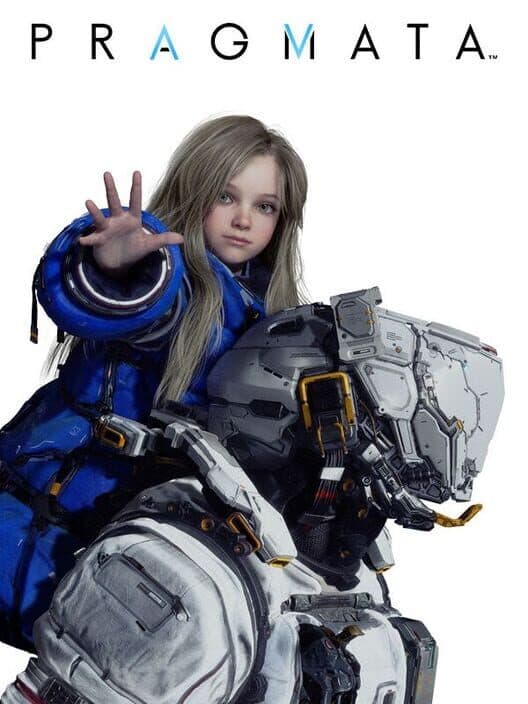
Pragmata cover art

Pragmata

Capcom • 2026 • PC (Microsoft Windows), PlayStation 5, Xbox Series X|S, Nintendo Switch 2

Satisfying to completePerfect for a weekend

Is Pragmata Worth It?

Yes, Pragmata is worth it if you want a tight single-player adventure with combat that actually feels new. Its best trick is the live blend of shooting and hacking: every serious fight asks you to make space, expose enemy weak points, and decide whether to play safe or push for extra damage. That gives the action a smart, busy rhythm without turning the whole game into homework. The other big selling point is restraint. The campaign is compact, usually around 10 to 15 hours, and it tells a complete story without filler or live-service drag. Hugh and Diana's relationship adds more heart than the premise first suggests, even if the wider plot is less memorable than the combat. Buy at full price if you love focused action games, want a manageable campaign, and enjoy learning one standout system. Wait for a sale if you are mainly here for story or you hate rigid save systems. Skip it if solving quick puzzle paths during almost every major fight sounds tiring rather than exciting.

What is Pragmata like?

Opinions of Pragmata

What Players Love

Common Concerns

Divisive Aspects

Players Love

Hack-and-shoot combat stays fresh for most players throughout

Players keep pointing to the live mix of gunplay and Diana's hacking grids as the game's defining hook, saying it feels distinct in practice rather than just novel on paper.

Common Concern

Story ideas land softer than the action does

A common complaint is that the science-fiction setup and bigger themes never hit as hard as the moment-to-moment play, especially late in the campaign.

Divisive

Mandatory hacking in big fights can wear down

For many players the constant puzzle solving under fire is the whole appeal. Others enjoy it at first but feel repeated arenas make the trick tiring.

Players Love

Focused campaign length feels refreshingly free of filler

Many players specifically praise finishing a complete, polished run in about 10 to 15 hours, with little padding and enough variety to keep momentum strong.

Players Love

Hugh and Diana's bond gives the adventure heart

Even players who came mainly for the combat often mention the pair's chemistry as the reason quieter scenes work and the ending carries more emotional weight.

Players Love

Hack-and-shoot combat stays fresh for most players throughout

Players keep pointing to the live mix of gunplay and Diana's hacking grids as the game's defining hook, saying it feels distinct in practice rather than just novel on paper.

Players Love

Focused campaign length feels refreshingly free of filler

Many players specifically praise finishing a complete, polished run in about 10 to 15 hours, with little padding and enough variety to keep momentum strong.

Players Love

Hugh and Diana's bond gives the adventure heart

Even players who came mainly for the combat often mention the pair's chemistry as the reason quieter scenes work and the ending carries more emotional weight.

Common Concern

Story ideas land softer than the action does

A common complaint is that the science-fiction setup and bigger themes never hit as hard as the moment-to-moment play, especially late in the campaign.

Divisive

Mandatory hacking in big fights can wear down

For many players the constant puzzle solving under fire is the whole appeal. Others enjoy it at first but feel repeated arenas make the trick tiring.

What does Pragmata demand from you?

Time

LOW

Time

This is a compact solo campaign built for weeknight progress, with clear stop points and no social obligations, though save restrictions make mid-zone exits less graceful.

LOW

This is one of Pragmata's biggest strengths. It asks for a focused but reasonable slice of your week and pays that back with a full beginning, middle, and end instead of an endless treadmill. Most people will reach the credits in about 10 to 12 hours, with a more thorough run landing closer to 13 to 16. Sessions fit well into 60 to 90 minutes because the campaign keeps feeding you clear stop points through checkpoints, escape hatches, boss gates, and Shelter returns. Full pause helps a lot if life interrupts. The catch is that save freedom is only decent, not great. If you quit before the next checkpoint or away from the Shelter, you may lose a bit of progress. Coming back after several days is fairly painless because the game is linear and your next goal is obvious, though you may want a few minutes to remember your loadout. It is fully solo, offline friendly, and free of group obligations, which makes it easy to fit around a busy schedule.

Tips

  • Aim for 60 to 90 minute sessions so you can reach an escape hatch or Shelter return instead of quitting mid-zone.
  • If you need to stop unexpectedly, pause immediately and finish the nearest checkpoint before closing the game.
  • After a week away, review your loadout and upgrades in the Shelter before taking the tram back out.

Focus

HIGH

Focus

Fights demand real attention as you aim, dodge, and route hacks at once, but straight paths and quiet Shelter breaks stop that focus from becoming relentless.

HIGH

Pragmata asks for your eyes and hands more than its clean, linear structure first suggests. The trade is simple: it asks you to manage two jobs at once and rewards you with fights that feel unlike most action games. In quiet stretches, it is easy enough to read the room, check corners, and follow the next objective. Once combat starts, though, you need to track enemy movement, create space, read Diana's hack grid, decide whether to chase bonus nodes, and still land shots under pressure. That means it is a poor fit for distracted play or half-watching TV. The good news is that the game does not bury that pressure under sprawling systems. Levels are directed, goals are clear, and the Shelter gives you short breathing spaces between pushes. The result is focused rather than mentally exhausting. If you can give it your full attention for an hour, it pays you back with a smart, busy combat rhythm that feels fresh instead of bloated.

Tips

  • Treat hack grids like dodge windows: start routes after creating space, not while enemies are already collapsing on you.
  • Before leaving the Shelter, equip a balanced loadout so one awkward arena does not leave you stuck with only niche weapons.
  • If fights feel overwhelming, take the safer hack path first and ignore bonus nodes until the basic rhythm clicks.

Challenge

MODERATE

Challenge

The first few hours feel awkward in a good way, asking you to blend shooting with fast puzzle routing before the combat settles into a satisfying rhythm.

MODERATE

Pragmata is more unusual than impossible. What it asks is not months of study, but a willingness to be awkward for the first few hours while the hack-and-shoot loop becomes natural. The biggest hurdle is learning to make space before hacking instead of trying to solve everything while surrounded. Once that click happens, the game shifts from wondering what to do into figuring out how to do it cleaner. That is a strong learning curve for a compact campaign. New weapons, nodes, and upgrades add variety, but the systems are explained clearly enough that most players will not need a guide. Enemy patterns matter, especially in boss fights, and mistakes do cost time, yet the checkpoint structure keeps practice from feeling cruel. On Standard, it sits closer to a brisk action adventure with a few spicy spikes than to a punishment-heavy skill gauntlet. If you enjoy learning one standout idea and then getting steadily better at it, this is a very satisfying climb.

Tips

  • Spend the first few hours learning clean hack routes and dodge timing before worrying about perfect damage optimization.
  • Save limited-use weapons for crowded arenas or bosses; the game feels better once you stop hoarding everything.
  • When returning after a break, run a Training Sim or easy encounter first to rebuild the hack-and-shoot rhythm.

Intensity

MODERATE

Intensity

Expect steady action tension instead of punishing dread; bosses can raise your pulse, yet frequent checkpoints and a warm character bond keep the mood from turning harsh.

MODERATE

The emotional feel here is lively and tense, not brutal. Pragmata asks you to stay sharp during fights and delivers a steady pulse of action without leaning into dread, horror, or misery. The stress mostly comes from multitasking: you are solving a quick pathing problem while robots keep firing, so even normal encounters have a little extra edge. Boss fights lift that higher with bigger arenas, more projectiles, and longer windows where panic can snowball into mistakes. Still, this is not the kind of game that wants to crush you. Checkpoints are frequent enough that deaths sting for a minute, not an evening, and the overall tone has warmth thanks to Hugh and Diana's relationship and the calmer Shelter downtime. That matters because it keeps the pressure feeling productive. You leave a hard fight feeling switched on and satisfied, not wrung out. Best played when you want something engaging after work, but not when you are too tired to split attention cleanly.

Tips

  • Use the Shelter as a reset point after a hard arena; a short breather keeps the game tense instead of draining.
  • Standard feels fair for most players, but switching to Casual early is smarter than forcing frustration through the opening hours.
  • Boss fights reward calm spacing more than panic damage, so create room first and hack second.

Frequently Asked Questions

You Might Also Like

Games with a similar rhythm and feel, even if they look different
Explore more→
Star Wars Jedi: Survivor game cover art
Satisfying to completePerfect for a weekend

Star Wars Jedi: Survivor

Time
MODERATE
Focus
MODERATE
Challenge
MODERATE
Intensity
MODERATE
Black Myth: Wukong game cover art

Black Myth: Wukong

Time
MODERATE
Focus
HIGH
Challenge
MODERATE
Intensity
HIGH
Control game cover art
Satisfying to completePerfect for a weekend

Control

Time
MODERATE
Focus
MODERATE
Challenge
MODERATE
Intensity
MODERATE
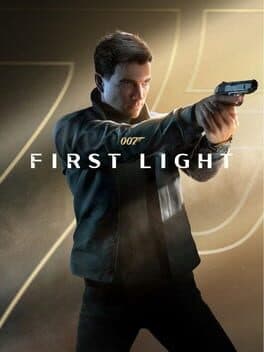
007 First Light game cover art
Satisfying to completePerfect for a weekend

007 First Light

Time
LOW
Focus
MODERATE
Challenge
MODERATE
Intensity
MODERATE
Mouse: P.I. For Hire game cover art
Satisfying to completePerfect for a weekend

Mouse: P.I. For Hire

Time
LOW
Focus
MODERATE
Challenge
MODERATE
Intensity
MODERATE
Hades game cover art
Satisfying to complete

Hades

Time
MODERATE
Focus
HIGH
Challenge
MODERATE
Intensity
MODERATE
← Back to Home