PlaySide • 2026 • PC (Microsoft Windows), PlayStation 5, Xbox Series X|S, Nintendo Switch 2
Yes, Mouse: P.I. For Hire is worth it if you want a stylish, self-contained action game that feels fresh because of its presentation, not because it rewrites the rules. The black-and-white cartoon look, jazz score, and voice work give it a personality most shooters would kill for, and the basic loop of moving fast, blasting rooms full of crooks, and grabbing upgrades is easy to enjoy in weeknight sessions. What it asks from you is focused screen time. During missions you need to stay alert, keep moving, and finish fights before taking a clean break. It also asks for the right expectations. This is much more about energetic shootouts than deep detective work, and several players feel the second half repeats itself a bit. Buy at full price if the art style alone makes you smile and you want a 10 to 12 hour campaign with real charm. Wait for a sale if you like the premise but need stronger mystery systems or more enemy variety. Skip it if you want true investigation or save-anywhere convenience.

PlaySide • 2026 • PC (Microsoft Windows), PlayStation 5, Xbox Series X|S, Nintendo Switch 2
Yes, Mouse: P.I. For Hire is worth it if you want a stylish, self-contained action game that feels fresh because of its presentation, not because it rewrites the rules. The black-and-white cartoon look, jazz score, and voice work give it a personality most shooters would kill for, and the basic loop of moving fast, blasting rooms full of crooks, and grabbing upgrades is easy to enjoy in weeknight sessions. What it asks from you is focused screen time. During missions you need to stay alert, keep moving, and finish fights before taking a clean break. It also asks for the right expectations. This is much more about energetic shootouts than deep detective work, and several players feel the second half repeats itself a bit. Buy at full price if the art style alone makes you smile and you want a 10 to 12 hour campaign with real charm. Wait for a sale if you like the premise but need stronger mystery systems or more enemy variety. Skip it if you want true investigation or save-anywhere convenience.
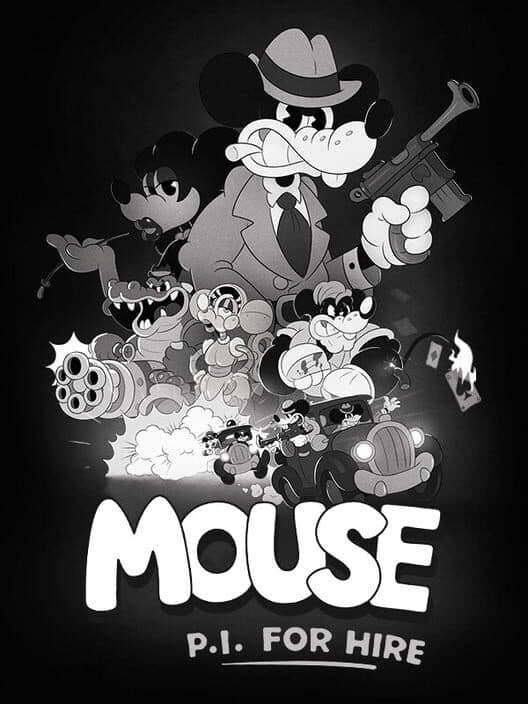
Players almost universally say the rubber-hose animation is more than a gimmick. The monochrome art, elastic motion, and visual gags make the whole game memorable.
A common complaint is that the best ideas arrive early. Later chapters repeat similar fights and enemy types, so the campaign can feel longer than it needs to.
Some players love the full commitment to corny jokes and tonal whiplash. Others find the humor wears thin over a 10 to 15 hour campaign.
The soundtrack, smoky city vibe, and strong performances make the world feel lived in. Even quieter hub moments help sell the setting between big shootouts.
Many expected more real sleuthing. Instead, clue boards and case work mostly frame the action, with investigation often simplified or automated.
Players praise the basic shooting loop: constant motion, solid weapon feel, alt-fires, and goofy environmental kills. It may not redefine shooters, but it lands.
Players almost universally say the rubber-hose animation is more than a gimmick. The monochrome art, elastic motion, and visual gags make the whole game memorable.
The soundtrack, smoky city vibe, and strong performances make the world feel lived in. Even quieter hub moments help sell the setting between big shootouts.
Players praise the basic shooting loop: constant motion, solid weapon feel, alt-fires, and goofy environmental kills. It may not redefine shooters, but it lands.
A common complaint is that the best ideas arrive early. Later chapters repeat similar fights and enemy types, so the campaign can feel longer than it needs to.
Many expected more real sleuthing. Instead, clue boards and case work mostly frame the action, with investigation often simplified or automated.
Some players love the full commitment to corny jokes and tonal whiplash. Others find the humor wears thin over a 10 to 15 hour campaign.
It fits into a week or two of regular play, thanks to clear missions and full pause, though mid-level saves are less flexible.
This is a tidy, adult-sized campaign rather than a forever game. Most people will feel satisfied in about 10 to 12 hours, with optional secrets and side content stretching that into the mid-teens. The structure helps a lot. Missions are clearly framed from the hub, the case board and map make next steps obvious, and returning to Mouseburg creates natural moments to stop. It asks for a week or two of regular sessions, then gives you a full arc with a real ending instead of dangling endless chores. Real-life flexibility is good, but not perfect. You can pause anytime, which makes sudden interruptions easy to handle, and there are no social obligations pulling you back online. The catch is saving. Mid-mission exits are less graceful than they should be because the game leans on autosaves and typewriters rather than true save-anywhere freedom. Coming back after a few days is manageable thanks to the hub structure, though you may need a short warm-up to recover your movement rhythm. Overall, it respects your schedule more than it respects spontaneous quitting.
Fast rooms demand your eyes and hands, but the detective framing and upgrade layer stay simple enough that you rarely feel buried in homework.
Mouse asks for steady attention during missions, but not the kind of brain-burn that leaves you exhausted. In fights, you need to keep moving, read vertical spaces, swap guns quickly, and spot chances to use barrels, falling props, or other room hazards. It is active, hands-on play. You cannot half-watch TV while clearing a chapter. The upside is that the game keeps its thinking readable. The case board, upgrades, and story framing are simple, so most of your effort goes into the fun part: weaving through arenas and making fast, satisfying choices. It asks for alert eyes and quick reactions, then pays that back with smooth momentum and very little menu clutter. Compared with heavier action games, this is lighter on planning and lighter on system overload. You are not studying giant skill trees or juggling ten layered mechanics at once. The detective theme adds flavor, not extra mental strain. If you like first-person action that keeps you engaged without feeling like work, it lands well. If you want something you can play on autopilot, it does not.
You can learn the basics quickly if shooters feel familiar, then spend the campaign tightening movement, weapon swaps, and secret-hunting habits.
Mouse is approachable if you already speak the basic language of first-person action. The early hours teach you what matters fast: keep moving, use your weapons often, grab health and ammo, and pay attention to rooms that reward clever positioning. New tools and upgrades add variety, but the game never turns into a giant system puzzle. It asks for comfort with movement and aiming, then pays that back with a learning curve that feels friendly instead of intimidating. The extra layer comes from polishing habits, not memorizing a rulebook. As the campaign goes on, you get better at chaining jumps, reading arenas, using alt-fires, and noticing secret paths without slowing down. Bosses and tougher encounters ask for pattern reading, but not at the level of a punishing action benchmark. You can become basically competent in a few hours, especially if you have played something like BioShock, Titanfall 2, or modern Doom on normal. The ceiling is there for players who love clean movement, but the game does not demand expert play just to enjoy the ride.
This feels lively and punchy more than punishing, with cartoon chaos and jazz swagger softening the rough edges of every firefight.
Most of the pressure here is fun arcade pressure. Rooms get loud, bullets fly, bosses can spike the pace, and you will absolutely have moments where you are sprinting, jumping, and trying to save a run with a last scrap of health. Still, the game rarely feels cruel or oppressive. The black-and-white cartoon style, slapstick deaths, and jazz swagger keep the mood lively even when the action is busy. It asks you to stay keyed in, then rewards that effort with excitement rather than dread. That matters if you are choosing what to play after a long day. Mouse is more energizing than draining. Failing a fight usually means a manageable retry, not a crushing loss, and the story tone keeps things from becoming grim despite the crime setting. If you enjoy action that gets your pulse up without turning every mistake into misery, this sits in a sweet spot. If you want something truly cozy, the constant gunfire will still feel a little sharp.
Games with a similar rhythm and feel, even if they look different