Supergiant Games • 2020 • Xbox Series X|S, PlayStation 4, PC (Microsoft Windows), iOS, PlayStation 5, Mac, Xbox One, Nintendo Switch
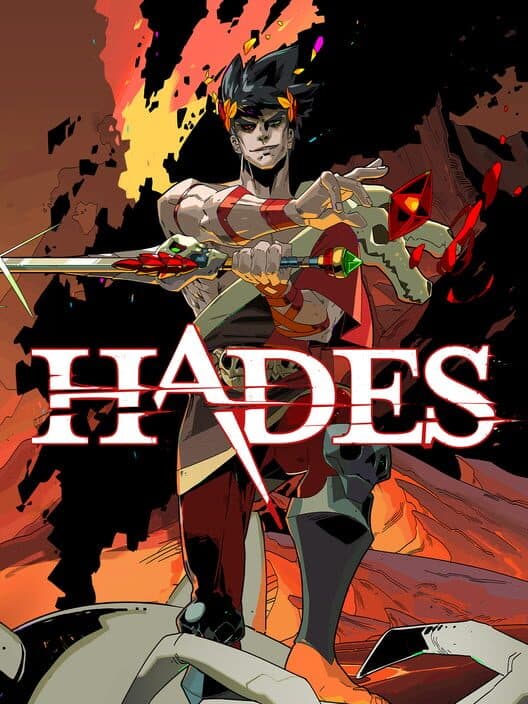
Hades
Supergiant Games • 2020 • Xbox Series X|S, PlayStation 4, PC (Microsoft Windows), iOS, PlayStation 5, Mac, Xbox One, Nintendo Switch
Is Hades Worth It?
Yes—Hades is absolutely worth it if you want fast, stylish action that makes even failed runs feel productive. Its best trick is turning death from a setback into a reward loop: you come back with resources, new conversations, and a clearer sense of how you want to build the next attempt. That means a 40-minute session can still feel meaningful, which is rare for run-based games. Buy at full price if you enjoy responsive combat, learning boss patterns, and slowly mastering a game through repetition. The cast, voice work, music, and art give it far more personality than most games built around replaying runs. Wait for a sale if you like the presentation but aren't sure about repeated-run games, because you will revisit the same early areas and bosses many times before the later variety fully opens up. Skip it if repeated attempts, randomized upgrades, or action-heavy combat usually annoy you more than they excite you. For the right player, Hades is one of the safest recommendations around.
What is Hades like?
Opinions of Hades
What Players Love
- Players Love
Combat stays sharp because each build changes your run
Players rave about the tight dash, clear enemy tells, and how boons, hammers, and weapon aspects can turn the same weapon into very different playstyles.
- Players Love
Death rarely feels wasted thanks to story and upgrades
Losing a run still unlocks new conversations, relationship progress, and permanent improvements, so failure usually feels like momentum instead of lost time.
- Players Love
The cast and presentation make every return feel rewarding
Voice acting, character art, music, and writing are widely praised for making the hub as appealing as the combat, which helps repeated runs stay inviting.
Common Concerns
- Common Concern
Early runs can feel repetitive before later variety opens up
Some players tire of seeing the opening biome and early bosses so often before weapon aspects, stronger upgrades, and later options broaden the loop.
Divisive Aspects
- Divisive
Random boon rolls delight some players and frustrate others
Many love adapting on the fly, but others dislike missing a desired synergy or losing a strong run because the offered upgrades never quite cooperate.
What does Hades demand from you?
Time
MODERATETime
Best played in 30 to 60 minute chunks, with full pause, easy resume, and no social obligations, though the full payoff arrives over weeks.
Focus
HIGHFocus
Most of a run demands locked-in attention, quick dodges, and fast reading of crowded arenas, with only short breathers when you choose rewards.
Challenge
MODERATEChallenge
You can grasp the basics fast, but true comfort comes after several runs of boss practice, upgrade unlocks, and learning which builds suit your weapon.
Intensity
MODERATEIntensity
Expect lively pressure rather than misery: boss fights spike your pulse, but death usually sends you back with story, upgrades, and a reason to try again.
Frequently Asked Questions
You Might Also Like
Games with a similar rhythm and feel, even if they look different