Powered by IGDB•Privacy•Terms

© 2026 Slated.gg

Slated.gg
Popular GamesAbout

The Elder Scrolls IV: Oblivion

2K Games • 2006 • PlayStation 3, PC (Microsoft Windows), Xbox 360
Great solo experienceExploration-focused

Is The Elder Scrolls IV: Oblivion Worth It?

Oblivion is worth it today if you want a big, flexible single-player fantasy world and don’t mind older graphics and systems. It shines for players who love wandering, poking into caves, joining guilds, and watching a custom character grow steadily stronger. The value comes from that long, meandering journey: plenty of quests, skills that improve through use, and memorable faction storylines like the Dark Brotherhood. In return, it asks for patience with dated combat, some repetitive dungeons, and a sizeable overall length. You’ll get the most out of it if you’re happy making your own goals instead of being pulled through a tightly scripted story. For busy adults, the save-anywhere design and solo, offline nature make it easy to fit around work and family, even in 60–90 minute sessions. At modern prices, it’s an easy full-price buy if open-world fantasy appeals to you. If you’re unsure about older games or huge sandboxes, wait for a sale. Skip it if you strongly prefer short, cinematic action games or very modern-feeling combat.

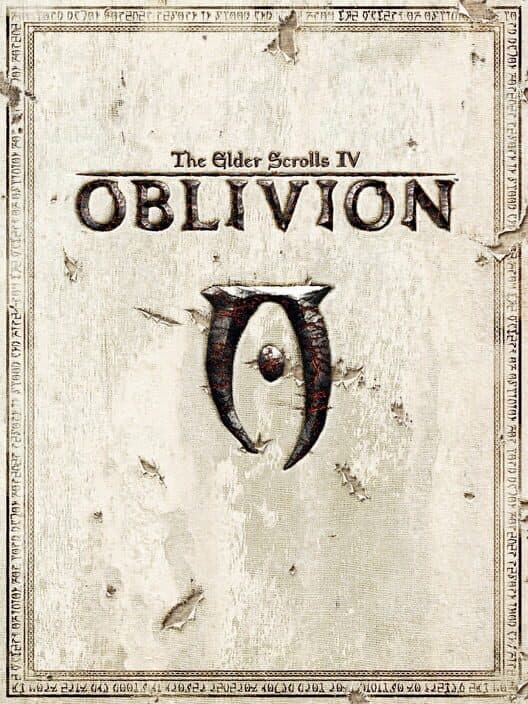
The Elder Scrolls IV: Oblivion cover art

The Elder Scrolls IV: Oblivion

2K Games • 2006 • PlayStation 3, PC (Microsoft Windows), Xbox 360

Great solo experienceExploration-focused

Is The Elder Scrolls IV: Oblivion Worth It?

Oblivion is worth it today if you want a big, flexible single-player fantasy world and don’t mind older graphics and systems. It shines for players who love wandering, poking into caves, joining guilds, and watching a custom character grow steadily stronger. The value comes from that long, meandering journey: plenty of quests, skills that improve through use, and memorable faction storylines like the Dark Brotherhood. In return, it asks for patience with dated combat, some repetitive dungeons, and a sizeable overall length. You’ll get the most out of it if you’re happy making your own goals instead of being pulled through a tightly scripted story. For busy adults, the save-anywhere design and solo, offline nature make it easy to fit around work and family, even in 60–90 minute sessions. At modern prices, it’s an easy full-price buy if open-world fantasy appeals to you. If you’re unsure about older games or huge sandboxes, wait for a sale. Skip it if you strongly prefer short, cinematic action games or very modern-feeling combat.

When is The Elder Scrolls IV: Oblivion at its best?

When you have an hour or two in the evening and want to sink into a relaxed fantasy world without strict missions, timers, or multiplayer obligations.

When you’re in the mood to slowly grow a favorite character build over several weeks, advancing guild ranks and gathering better gear at your own pace.

When your schedule is unpredictable and you need a game you can pause often, save anywhere, and comfortably return to after taking a week or two off.

What is The Elder Scrolls IV: Oblivion like?

Commitment

MODERATE

Commitment

A big but flexible adventure: dozens of hours total, yet easy to chop into satisfying 60–90 minute solo sessions.

MODERATE

Oblivion is a substantial commitment over weeks, but it’s kind to unpredictable adult schedules. Seeing the main story and a couple of major guild lines usually takes around 40–60 hours, depending on how much you wander. That’s a long journey, yet it doesn’t demand long marathons. Thanks to save-anywhere design and frequent natural pauses in towns or just outside dungeons, you can reliably play in 60–90 minute chunks. There are no dailies, seasons, or online events tugging at you. If life pulls you away for a week or more, your quest journal and map markers make it fairly easy to remember what you were doing. The open-world structure means you’re never locked into finishing a huge quest chain before you can safely stop. The flip side is that there’s always more to do; if you crave a tight, 10-hour story, this will feel sprawling. But if you want one big fantasy world you can sink into across many evenings, it fits nicely.

Tips

  • Aim to end sessions in a city or at an inn so you restart next time with an obvious, low-friction next step.
  • Treat the main quest and one favorite guild as your core goals, and view everything else as optional seasoning, not obligations.
  • If you’re short on time one week, ignore distant side quests and focus on nearby objectives you can wrap up in a single session.

Focus

MODERATE

Focus

Gentle but steady mental engagement with light real-time combat and lots of small planning decisions about quests, inventory, and character growth.

MODERATE

Oblivion asks for a comfortable, medium level of attention. You’re rarely on full autopilot, but you also don’t need razor-sharp concentration. A typical session has you checking the quest journal, weighing which objectives to chase, and deciding whether to fast travel or walk and forage along the way. In dungeons and combat, you’ll watch health, magicka, and positioning, but enemy animations are slow and patterns simple, so it’s more about basic awareness than intense execution. Outside of fights, your mind is occupied by softer planning: which guild to advance, how to spend attribute points, what loot to keep under your carry weight. The interface is menu-heavy but straightforward once learned. You can safely pause or linger in town menus whenever life interrupts. Overall, Oblivion suits evenings when you have enough brainpower to read quests and make choices, but don’t feel like a punishing or twitchy experience.

Tips

  • Limit yourself to one or two active questlines at a time so your journal stays readable and you remember your goals.
  • Use towns as natural planning hubs: sort inventory, pick next quest, then stop so you can restart from a clear point later.
  • If you’re tired, favor travel, shopping, and simple quests instead of big Oblivion Gate pushes or long, maze-like dungeons.

Mastery

MODERATE

Mastery

Easy to grasp in a few evenings, with satisfying but not endless depth in builds, stealth, and magic tricks.

MODERATE

Oblivion is approachable for newcomers to big RPGs but still offers enough depth to reward learning. Within your first 5–10 hours, you’ll understand basic combat, sneaking, spellcasting, and the simple rule that skills improve by using them. Quest markers and clear objectives mean you don’t have to study guides just to move forward. The deeper layer comes from build planning and how leveling interacts with attributes and enemy scaling. If you enjoy digging in, you can optimize your major skills, use efficient training, and craft spells that play to your strengths. That extra mastery makes your character feel smoother and more capable, but it’s not required to finish the game or enjoy the storylines. Skill improvement feels genuinely rewarding without turning into homework. For a busy adult, you can treat the game as “learn the basics and go” or slowly explore more advanced systems over many sessions, with both approaches staying fun.

Tips

  • Pick a simple archetype early, like melee fighter or stealth archer, so your skill choices and gear decisions stay focused.
  • Don’t stress about perfect leveling; play naturally and only look up optimization if you later crave a more powerful second character.
  • Practice new mechanics, like stealth or spell combos, in easier dungeons first so you can learn without big penalties for mistakes.

Intensity

LOW

Intensity

Mostly relaxed fantasy wandering with occasional spikes of tension in tougher dungeons and Oblivion Gates, but generous saving keeps stakes low.

LOW

Oblivion is more cozy fantasy escape than heart-pounding thrill ride. Most of your time is spent roaming countryside, chatting with NPCs, and clearing manageable dungeons. Fights can get scrappy, especially in Oblivion Gates or against higher-level foes, but death usually just sends you back to a recent save. There’s no multiplayer pressure, no timer pushing you forward, and the story rarely puts you in prolonged, high-stress situations. The biggest emotional spikes come from dark questlines, eerie ruins, or suddenly realizing you’ve wandered into an area above your level. Even then, you can usually run, heal, or lower the difficulty slider if you’re frustrated. This makes the overall stress level moderate to low, especially compared with intense shooters or punishing action games. For busy adults, the game works well when you want to unwind inside a fantasy world without feeling constantly on edge. It still gives enough danger to stay interesting, but rarely leaves you sweaty or anxious when you quit.

Tips

  • Quicksave before entering new dungeons or Oblivion Gates so you can bail if things feel too stressful.
  • Keep a healthy stock of potions and healing spells; knowing you can recover quickly lowers tension in tougher fights.
  • If a quest or area starts to frustrate you, don’t hesitate to lower the difficulty slider or come back later better prepared.

Frequently Asked Questions

You Might Also Like

Games with a similar rhythm and feel, even if they look different
Fallout 3 game cover art
Exploration-focused

Fallout 3

Commitment
MODERATE
Focus
MODERATE
Mastery
MODERATE
Intensity
MODERATE
Fallout 4 game cover art
Great solo experienceExploration-focused

Fallout 4

Commitment
MODERATE
Focus
MODERATE
Mastery
MODERATE
Intensity
LOW
The Elder Scrolls V: Skyrim game cover art
Great solo experienceExploration-focused

The Elder Scrolls V: Skyrim

Commitment
HIGH
Focus
MODERATE
Mastery
MODERATE
Intensity
LOW
Starfield game cover art
Great solo experienceExploration-focused

Starfield

Commitment
HIGH
Focus
MODERATE
Mastery
MODERATE
Intensity
MODERATE
Fallout: New Vegas game cover art
Exploration-focused

Fallout: New Vegas

Commitment
MODERATE
Focus
MODERATE
Mastery
MODERATE
Intensity
MODERATE
Subnautica: Below Zero game cover art

Subnautica: Below Zero

Commitment
MODERATE
Focus
MODERATE
Mastery
MODERATE
Intensity
MODERATE
← Back to Home