Powered by IGDB•Privacy•Terms

© 2026 Slated.gg

Slated.gg
Popular GamesAbout

Pillars of Eternity

Obsidian Entertainment • 2015 • PlayStation 4, Linux, PC (Microsoft Windows), Mac, Xbox One, Nintendo Switch
Great solo experienceStory-drivenEmotionally engaging

Is Pillars of Eternity Worth It?

Pillars of Eternity is absolutely worth it if you love deep fantasy worlds, party-based combat, and don’t mind lots of reading. It’s a modern love letter to classic isometric RPGs: you lead a custom hero and companions through a morally tangled story, pause battles to bark orders, and slowly shape both your party and the world. What it asks from you is time and attention. A full run is 40–60 hours, the writing is dense, and the rules take a few evenings to learn. If you’re looking for quick, flashy action or something you can half-watch while scrolling your phone, this will feel slow and demanding. In return, it delivers a rich sense of ownership over your choices, satisfying tactical victories, and a strong feeling of watching your party grow from fragile nobodies into seasoned legends. Buy at full price if you already enjoy Baldur’s Gate–style games or Divinity: Original Sin. If you’re merely curious about the genre, it’s an excellent pick on sale; if you hate reading, skip it.

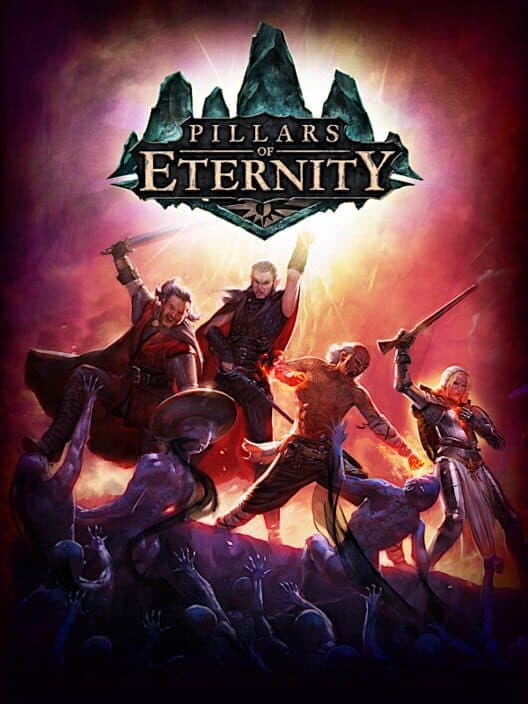
Pillars of Eternity cover art

Pillars of Eternity

Obsidian Entertainment • 2015 • PlayStation 4, Linux, PC (Microsoft Windows), Mac, Xbox One, Nintendo Switch

Great solo experienceStory-drivenEmotionally engaging

Is Pillars of Eternity Worth It?

Pillars of Eternity is absolutely worth it if you love deep fantasy worlds, party-based combat, and don’t mind lots of reading. It’s a modern love letter to classic isometric RPGs: you lead a custom hero and companions through a morally tangled story, pause battles to bark orders, and slowly shape both your party and the world. What it asks from you is time and attention. A full run is 40–60 hours, the writing is dense, and the rules take a few evenings to learn. If you’re looking for quick, flashy action or something you can half-watch while scrolling your phone, this will feel slow and demanding. In return, it delivers a rich sense of ownership over your choices, satisfying tactical victories, and a strong feeling of watching your party grow from fragile nobodies into seasoned legends. Buy at full price if you already enjoy Baldur’s Gate–style games or Divinity: Original Sin. If you’re merely curious about the genre, it’s an excellent pick on sale; if you hate reading, skip it.

When is Pillars of Eternity at its best?

Best when you have a focused 60–90 minutes on a quiet evening and feel like reading, making moral choices, and tackling one or two thoughtful tactical fights.

Great for a weekend block when you want to clear a dungeon floor, upgrade your stronghold, and experiment with new abilities or party formations without rushing.

Ideal after a long day when your energy is low but your mind feels up for quiet reading, light inventory management, and a couple of manageable street encounters.

What is Pillars of Eternity like?

Commitment

HIGH

Commitment

A long, multi-week campaign, but broken into flexible 60–90 minute quests and dungeon runs with excellent save-anywhere support.

HIGH

Committing to Pillars of Eternity means signing up for one substantial story arc rather than an endless hobby. A typical “good” playthrough that hits the main plot and several companion stories takes around 40–60 hours, which for many adults translates to a month or two of steady evening sessions. The good news is that the game respects your schedule. You can save almost anywhere, pause instantly, and most quests or dungeon levels fit neatly into 60–90 minute sittings. It’s easy to aim for “one quest tonight” or “clear this floor before bed” and feel satisfied when you stop. There’s no multiplayer pressure, raid timings, or daily checklists pulling you back in. The main friction comes from returning after a long break: you may need a little time to remember the story threads and your party’s toolkit. Still, compared to many big RPGs, Pillars is friendly to adults juggling work, family, and limited gaming windows.

Tips

  • Set soft goals like finishing one quest or dungeon level per session so progress feels tangible even if you only play an hour.
  • Before taking a longer break, park your party in a city hub and tidy your journal; it’s easier to restart from a calm, social area.
  • Use multiple save slots around big story choices in case you return months later and decide you’d rather see the other outcome.

Focus

HIGH

Focus

Reading-heavy, tactical play that rewards steady attention and planning more than quick reactions or constant button pressing.

HIGH

Moment to moment, Pillars of Eternity asks much more of your mind than your hands. A typical session mixes long stretches of reading dialogue and quest text with bursts of real-time-with-pause combat, where you’re juggling positioning, spell timing, and target priorities for up to six characters. You don’t need fast reflexes thanks to the pause button, but you do need to stay mentally engaged: tracking who’s buffed or debuffed, which abilities are on cooldown, and how today’s choices might ripple through faction politics later. Outside of combat, you’re often weighing dialogue options, reputations, and quest outcomes against the personality you’ve chosen for your hero. This is not a game to half-watch while checking your phone. It shines when you can give it a decent slice of your attention, read carefully, and enjoy planning out encounters like little tactical puzzles. The upside is a very satisfying feeling of control and authorship over both story and strategy.

Tips

  • Turn on generous auto-pause settings so the game stops for you at key events, reducing the need for constant screen-watching.
  • On lower-energy nights, focus on town quests and conversations, saving big dungeon pushes and boss fights for when you feel fresher.
  • Keep a simple notepad or document with current goals, factions, and party roles so you can refocus quickly at the start of each session.

Mastery

MODERATE

Mastery

Steep first dozen hours, then a rewarding sense of control as your party builds and tactics come together.

MODERATE

The hardest part of Pillars is the beginning, when you’re still decoding what all the attributes, classes, resources, and status effects actually do. Expect several evenings where you’re experimenting, making suboptimal choices, and occasionally getting wiped by encounters you didn’t understand yet. That’s normal here. Once the rules click, the game becomes far more rewarding. You start to recognize enemy types, plan around your favorite spells, and build a party whose abilities complement each other. Previously brutal fights turn into manageable puzzles, and you feel your own growth as much as your characters’. The campaign has a clear endpoint and no ranked ladder, so there’s a ceiling to how far you can push your mastery, but for a single playthrough the improvement curve is satisfying. This is a great fit if you enjoy learning systems and watching your competence translate into smoother, more confident sessions. If you hate reading tooltips or experimenting, the early hours may test your patience.

Tips

  • Choose Normal or Story difficulty for your first run so you can learn the systems without every mistake turning into a wall.
  • Early on, focus on a small set of core abilities for each character instead of trying to master everything on their bars at once.
  • If building characters stresses you, follow a simple starter guide for your main hero, then experiment more freely with companions.

Intensity

LOW

Intensity

Moderate tension with heavy themes; fights can be demanding, but pausing and forgiving systems keep stress from spiking too high.

LOW

Pillars of Eternity lives in the middle of the intensity spectrum. Combat can absolutely punish sloppy play, and a few encounters will make you sit up straight, but the ability to pause at any moment lets you defuse panic and think things through. You’re rarely pushed into the frantic, sweaty-palmed state common in shooters or action games. Emotionally, the game deals with grim material: child death, religious persecution, and questions about souls and sanity. These themes can be heavy, but they’re delivered mostly through text and measured conversations rather than shocking cutscenes. That makes the emotional load more reflective than overwhelming for most players. Overall, this is better for evenings when you’re up for engaging seriously with a story and some challenging fights, not when you want completely mindless comfort. The tradeoff is that victories feel earned and story beats linger without leaving you wrung out.

Tips

  • If a battle feels overwhelming, pause more often and break it into tiny decisions instead of trying to run it in long real-time stretches.
  • Don’t hesitate to lower the difficulty; preserving your enjoyment and momentum matters more than proving anything to the game.
  • If dark themes bother you, take breaks after intense story scenes and lean into lighter side quests or exploration for a while.

Frequently Asked Questions

You Might Also Like

Games with a similar rhythm and feel, even if they look different

Pillars of Eternity II: Deadfire game cover art
Great solo experienceStory-driven

Pillars of Eternity II: Deadfire

Commitment
HIGH
Focus
MODERATE
Mastery
HIGH
Intensity
LOW
Fallout: New Vegas game cover art
Story-drivenEmotionally engaging

Fallout: New Vegas

Commitment
MODERATE
Focus
MODERATE
Mastery
MODERATE
Intensity
MODERATE
Tainted Grail: The Fall of Avalon game cover art
Great solo experienceStory-driven

Tainted Grail: The Fall of Avalon

Commitment
HIGH
Focus
HIGH
Mastery
MODERATE
Intensity
MODERATE
Fallout 3 game cover art

Fallout 3

Commitment
MODERATE
Focus
MODERATE
Mastery
MODERATE
Intensity
MODERATE
Unicorn Overlord game cover art

Unicorn Overlord

Commitment
MODERATE
Focus
MODERATE
Mastery
MODERATE
Intensity
MODERATE
Subnautica: Below Zero game cover art

Subnautica: Below Zero

Commitment
MODERATE
Focus
MODERATE
Mastery
MODERATE
Intensity
MODERATE
← Back to Home