Sega • 2019 • PlayStation 4, PC (Microsoft Windows), PlayStation 5, Xbox One, Nintendo Switch, Xbox Series X|S
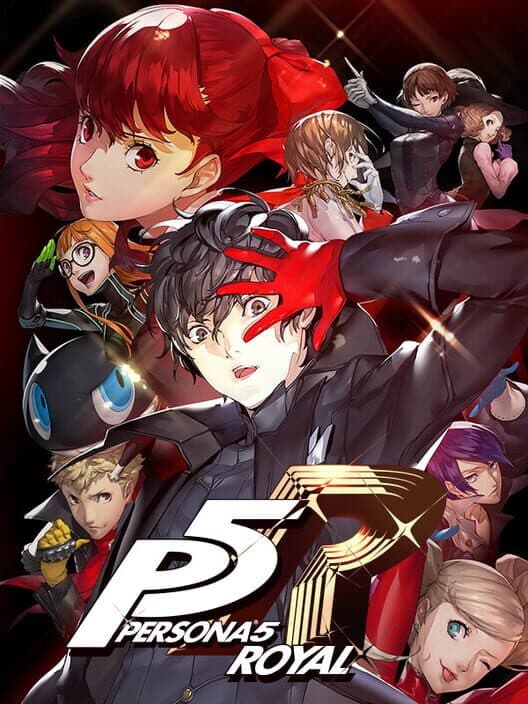
Persona 5 Royal is worth it if you want a long, character-driven game that turns everyday routines into something oddly magnetic. Its big strengths are easy to see: incredible music and visual style, a cast people get attached to, and a satisfying loop where school life, friendships, Persona fusion, and palace runs all feed each other. Even short sessions can feel rewarding because one evening might mean a relationship rank-up, a smarter Persona build, or another stretch of dungeon cleared. What it asks from you is patience. The opening is slow, the campaign is huge, and you will enjoy it much more if you like reading, planning ahead, and sticking with a story over many weeks. If you mainly want fast action or short self-contained wins, the game can feel bloated. Buy at full price if stylish turn-based combat, strong character writing, and long-form payoff sound like your thing. Wait for a sale if you are curious but worried about the runtime or anime tone. Skip it if you dislike heavy dialogue, slow starts, or 90-plus-hour commitments.

Sega • 2019 • PlayStation 4, PC (Microsoft Windows), PlayStation 5, Xbox One, Nintendo Switch, Xbox Series X|S
Persona 5 Royal is worth it if you want a long, character-driven game that turns everyday routines into something oddly magnetic. Its big strengths are easy to see: incredible music and visual style, a cast people get attached to, and a satisfying loop where school life, friendships, Persona fusion, and palace runs all feed each other. Even short sessions can feel rewarding because one evening might mean a relationship rank-up, a smarter Persona build, or another stretch of dungeon cleared. What it asks from you is patience. The opening is slow, the campaign is huge, and you will enjoy it much more if you like reading, planning ahead, and sticking with a story over many weeks. If you mainly want fast action or short self-contained wins, the game can feel bloated. Buy at full price if stylish turn-based combat, strong character writing, and long-form payoff sound like your thing. Wait for a sale if you are curious but worried about the runtime or anime tone. Skip it if you dislike heavy dialogue, slow starts, or 90-plus-hour commitments.
Players constantly praise the music, menus, transitions, and visual flair. Simple actions like shopping, texting, or winning battles feel unusually memorable.
A common complaint is that the first several hours are packed with tutorials, dialogue, and limited freedom before the game finally opens up.
A notable group of players dislikes certain jokes, character beats, or tonal shifts around serious material, while others accept them as part of the style.
Once the full loop opens, many players get hooked on balancing friendships, social stats, fusion, and dungeon progress from one in-game day to the next.
Even fans mention that long conversations, repeated explanations, and less inspired Mementos runs can drag during such a massive playthrough.
Players often say the main party and side stories are why the huge runtime works. Favorite relationships keep the final hours feeling personal instead of exhausting.
Players constantly praise the music, menus, transitions, and visual flair. Simple actions like shopping, texting, or winning battles feel unusually memorable.
Once the full loop opens, many players get hooked on balancing friendships, social stats, fusion, and dungeon progress from one in-game day to the next.
Players often say the main party and side stories are why the huge runtime works. Favorite relationships keep the final hours feeling personal instead of exhausting.
A common complaint is that the first several hours are packed with tutorials, dialogue, and limited freedom before the game finally opens up.
Even fans mention that long conversations, repeated explanations, and less inspired Mementos runs can drag during such a massive playthrough.
A notable group of players dislikes certain jokes, character beats, or tonal shifts around serious material, while others accept them as part of the style.
This is a months-long relationship, not a weekend fling, though individual evenings still feel productive because one day, one scene, or one dungeon push matters.
Persona 5 Royal asks for a real relationship with your calendar. This is a very long story, and the best version of it only lands if you stay with the cast through the full arc. For many people, that means months of regular sessions rather than a short binge. The good news is that the game often breaks itself into useful chunks. One in-game day, one confidant hangout, one evening of Persona fusion, or one push to the next Safe Room can all feel like meaningful progress. It is flexible in the moment but demanding over the long haul. You can pause anytime, and turn-based battles are interruption-friendly, but save convenience is only decent rather than perfect. Long cutscene chains can keep you playing past your planned stop, and palace exits are cleanest at Safe Rooms. Coming back after time away also takes some mental rebooting because you may need to re-check deadlines, current goals, and your Persona setup. In return, the game gives unusually strong long-form payoff. If you want something you can live in for a while and slowly build a rhythm around, it fits beautifully. If you want quick closure, it asks too much.
You can breathe between choices, but the game constantly asks you to remember plans, read carefully, and think ahead about battles, friendships, and deadlines.
Persona 5 Royal asks for steady attention rather than nonstop strain. In a normal session, you're reading a lot of dialogue, checking the calendar, deciding who to spend time with, and thinking a few steps ahead about dungeon deadlines, money, SP, and Persona fusion. Battles give you time to think, so the pressure is rarely about fast hands. The real ask is keeping a lot of moving parts in your head and remembering what matters across many in-game days. The payoff for that attention is a very satisfying planning loop. Small decisions feel meaningful because school life, friendships, and dungeon prep all feed the same larger goal. Even ordinary fights reward smart weakness targeting and resource management instead of button speed. The game also gives you breathing room. Long story scenes and turn-based menus create natural mental valleys between planning peaks. You can absolutely play tired, but you will enjoy it more when you have enough energy to read carefully and make a few deliberate choices instead of half-watching the screen.
The basics are friendly, but real comfort comes later as fusion, party setup, and calendar choices slowly click into one rewarding routine.
Persona 5 Royal is easy to start but slower to truly understand. The basic actions are friendly: talk to people, go to class, explore a dungeon, hit enemy weaknesses, fuse stronger Personas. You can get through early hours with simple choices. What takes longer is seeing how all the layers reinforce one another. Confidant bonuses change what is possible in battle and daily life. Fusion choices affect boss comfort. Even how you spend an evening can ripple forward weeks later. That means the game asks for patience more than raw skill. A new player usually needs the first palace and a bit beyond before the whole rhythm clicks. The good news is that mistakes are rarely fatal. You can recover from messy builds, grind a little in Mementos, lower the difficulty, or simply play a less optimized run and still reach the end. The reward for learning is huge: battles speed up, daily choices feel smarter, and the whole campaign becomes more satisfying because you understand why your routine works, not just what buttons to press.
More slow-burn pressure than white-knuckle stress, with deadlines and boss fights raising the stakes while turn-based battles and school life give you room.
This is a slow-burn game, not a constant adrenaline machine. Most sessions sit in a middle space where there is real pressure but not much panic. Palace deadlines, darker story themes, and boss fights give your decisions weight. You can feel tense when SP is running low or when a boss punishes bad prep. But because combat is turn-based and everyday school life takes up so much time, the overall mood has plenty of room to breathe. What the game asks from you is emotional buy-in more than nerves of steel. It wants you to care about the cast, care about the next deadline, and care enough to plan around both. In return, it turns that steady investment into strong payoff when a confidant scene lands or a hard palace push finally clicks. Most of the stress is the good kind: anticipation, not chaos. If you dislike dark themes or second-guessing long-term choices, some stretches can feel heavy. If you enjoy building toward a payoff, the pressure usually feels motivating instead of exhausting.
Games with a similar rhythm and feel, even if they look different