Nintendo • 2019 • Nintendo Switch
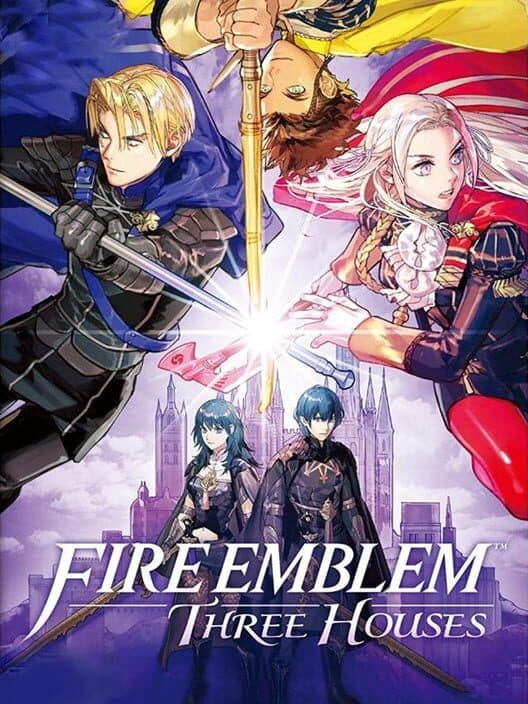
Fire Emblem: Three Houses
Nintendo • 2019 • Nintendo Switch
Is Fire Emblem: Three Houses Worth It?
Yes, if you want a long, character-driven strategy game and you're happy spending almost as much time planning and chatting as fighting. Fire Emblem: Three Houses stands out because the people on your team stop feeling like units on a board. You teach them, shape their class paths, watch their bonds grow, then see those choices pay off in battle and in the story. That mix of attachment and long-term planning is the real magic. At full price, it's an easy buy if you enjoy turn-based tactics, relationship-heavy stories, and 45 to 60 hour campaigns you can chip away at over weeks. Wait for a sale if you like strategy but get impatient with repeated hub tasks, menu management, or slow early pacing. The monastery routine is the biggest reason people bounce off it, and the visuals are only fine. Skip it if you want fast action, short self-contained sessions, or a story that fully resolves every angle in one run. For the right player, though, it is one of the Switch's most rewarding long-form campaigns.
What is Fire Emblem: Three Houses like?
Opinions of Fire Emblem: Three Houses
What Players Love
- Players Love
Students feel distinct and easy to get attached to
Players consistently praise how support scenes, classroom time, and battlefield roles reinforce each other. Because you shape them yourself, the roster feels personal.
- Players Love
Build freedom makes battles feel personal and rewarding
Many players love steering students into different class paths and seeing those long-term choices matter on the map. The strategy stays readable without feeling shallow.
- Players Love
House choice gives repeat runs real new perspective
A second route is not just more hours. Different students, supports, and story angles give returning players a fresh lens, especially with New Game+ smoothing the setup.
Common Concerns
- Common Concern
Monastery chores can start to drag the pacing
The most common complaint is that meals, motivation management, and repeated monthly tasks lose their shine over time. Even fans often wish the school routine moved faster.
- Common Concern
Visuals and performance feel rough for the platform
Players often call out plain environments, stiff monastery presentation, and occasional frame drops. These issues rarely ruin the game, but they do keep showing up.
Divisive Aspects
- Divisive
Multiple routes add depth but can leave gaps
Some players love piecing the wider conflict together across different runs. Others feel one route leaves too many unanswered questions and repeats too much familiar ground.
What does Fire Emblem: Three Houses demand from you?
Time
HIGHTime
One full route is a real commitment, but the calendar structure, strong save options, and clean monthly checkpoints make that long journey manageable in weeknight chunks.
Focus
MODERATEFocus
Most nights swing between relaxed school planning and careful grid battles where a single bad move can unravel your setup, so it rewards steady attention more than quick hands.
Challenge
MODERATEChallenge
You can learn the basics quickly, but the academy systems, class exams, and long-term build planning take a good chunk of the first route to feel natural.
Intensity
MODERATEIntensity
This is more thoughtful than nerve-racking: the pressure comes from protecting students you care about, not from timers or reflex-heavy chaos.
Frequently Asked Questions
You Might Also Like
Games with a similar rhythm and feel, even if they look different