Sega • 2024 • Xbox Series X|S, PlayStation 4, PC (Microsoft Windows), PlayStation 5, Xbox One
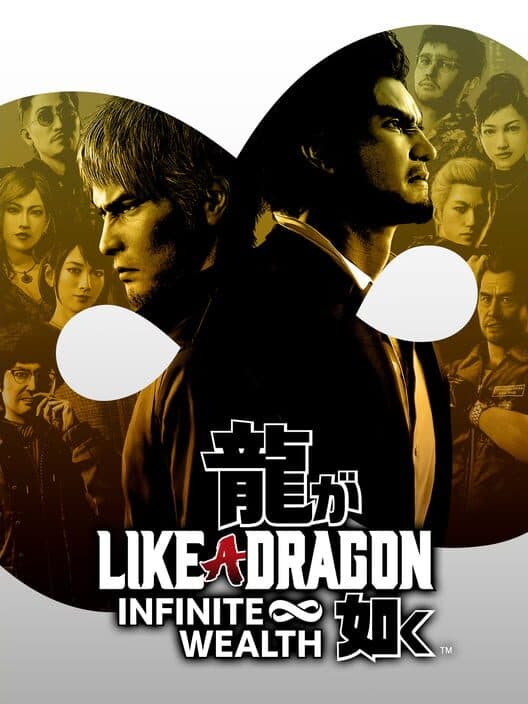
Huge, story-heavy turn-based RPG
Dense cities packed with oddball side activities
Best as a long-term solo commitment
For adults who enjoy long, story-heavy RPGs and can spare at least a few hours most weeks, Like a Dragon: Infinite Wealth is worth it. The main draw is its sprawling crime drama, built around two very different but equally compelling leads, Ichiban and Kiryu. You get a huge, often hilarious, sometimes heartbreaking journey across Japan and Hawaii, with more side activities than you’ll ever realistically finish. In return, the game asks for real time: expect dozens of hours of cutscenes, turn-based fights, and side systems like Dondoko Island and Sujimon that can easily soak up whole evenings. If you like planning party builds, watching character relationships grow, and having lots of options for what to do each night, it delivers a ton of value. Buy at full price if you love JRPGs and the Yakuza style of storytelling. Wait for a sale if you’re unsure about the humor, the mature content, or the length. Skip it if you dislike long cutscenes, reading subtitles, or committing to one big game for many weeks.

Sega • 2024 • Xbox Series X|S, PlayStation 4, PC (Microsoft Windows), PlayStation 5, Xbox One
Huge, story-heavy turn-based RPG
Dense cities packed with oddball side activities
Best as a long-term solo commitment
For adults who enjoy long, story-heavy RPGs and can spare at least a few hours most weeks, Like a Dragon: Infinite Wealth is worth it. The main draw is its sprawling crime drama, built around two very different but equally compelling leads, Ichiban and Kiryu. You get a huge, often hilarious, sometimes heartbreaking journey across Japan and Hawaii, with more side activities than you’ll ever realistically finish. In return, the game asks for real time: expect dozens of hours of cutscenes, turn-based fights, and side systems like Dondoko Island and Sujimon that can easily soak up whole evenings. If you like planning party builds, watching character relationships grow, and having lots of options for what to do each night, it delivers a ton of value. Buy at full price if you love JRPGs and the Yakuza style of storytelling. Wait for a sale if you’re unsure about the humor, the mature content, or the length. Skip it if you dislike long cutscenes, reading subtitles, or committing to one big game for many weeks.
You’ve got a free evening and want to sink 60–90 minutes into a meaty story chapter, a few fights, and maybe one goofy side activity.
You’re in the mood for a long-running, character-driven saga you can chip away at over months, treating it like your main “show” instead of TV.
You want a game for solo nights where interruptions are common, letting you pause mid-fight or cutscene without worrying about teammates or timers.
A long, TV-season-length RPG you can stretch over months, with flexible saving and pausing but a sprawling story that’s harder to return to after long breaks.
This is a big commitment, closer to finishing multiple seasons of a show than watching a single movie. Expect 50–70 hours to see the story through while sampling side content, which for many adults means several months of play. The good news is that the structure is friendly to real life. You can save often, pause freely, and break sessions into 60–90 minute chunks where you finish a substory, a dungeon floor, or a batch of errands. Turn-based battles and frequent autosaves make it forgiving when kids, partners, or work drag you away. The tradeoff is that the story and systems are dense. If you leave for a few weeks, you’ll likely spend a while re-learning who everyone is, what jobs you were using, and where the plot left off. It’s purely solo, so you never have to schedule around others, but you do need to decide whether you’re ready to live with these characters for the long haul.
You’ll read a lot of subtitles and make menu-based choices, with low reflex demands and enough downtime to occasionally glance away or pause mid-session.
This game mainly asks for reading and planning rather than lightning-fast reactions. A typical night mixes walking through town, picking fights from menus, and watching long, fully voiced story scenes with subtitles. You’ll be choosing attacks, managing MP, swapping jobs, and deciding where to spend your limited time, but you’re rarely under real-time pressure. The toughest mental moments come from tracking a large cast, remembering past events, and understanding how different jobs and skills fit together. If you like following long TV dramas, the flow here will feel familiar, just with more button presses. Because combat is turn-based and you can pause freely, you can safely put the controller down if real life intrudes. That said, you do need to actually pay attention during big cutscenes or you’ll lose track of who’s betraying whom. For a tired adult, it’s engaging without being mentally draining every second, as long as you’re up for plenty of reading and light number-crunching.
Easy to pick up with basic RPG knowledge, but learning jobs, buffs, and team synergies rewards you with smoother battles and stylish wins.
Getting comfortable here doesn’t take long if you’ve played any turn-based RPG before. Within a few evenings you’ll understand turn order, weaknesses, and that you should keep your gear updated. The deeper learning curve comes from juggling jobs, support skills, and buffs so your team really sings. You can get through the story on Normal while only half-optimizing, but knowing when to debuff enemies, stack defense, or swap roles can turn scary bosses into routine work. There are also skill-based minigames that reward practice, though they aren’t required to win. Mastery pays off mainly in satisfaction rather than status: fights end faster, party roles feel sharper, and you get to pull off clever combos that look and feel great. For busy adults, it’s forgiving enough that you can engage at your own depth. You don’t need to study builds outside the game, but the option is there if you enjoy tinkering.
The story hits hard in places and some bosses can be tense, but the turn-based pace keeps overall stress at a moderate, manageable level.
Emotionally, this game sits in the middle. There are gut-punch moments around aging, legacy, and loss, plus some nasty boss fights that punish sloppy planning. But those spikes are mixed with plenty of goofy side stories, lighthearted minigames, and slow walks through neon streets. Because fights are turn-based, you never feel that twitchy, panicked rush that action games create; you can always take a breath, think, and choose your move. Most of the tension comes from wondering how the story will twist next or worrying if you’re strong enough for the next big encounter. Failing a boss often means revisiting some grinding or adjusting jobs rather than a brutal, instant death loop. For many adults, this makes it exciting without becoming overwhelming. It’s not a cozy, low-stakes game, but it rarely feels unforgiving. If you’ve had a rough day, you can focus on side content and character moments instead of pushing the main drama forward.
Games with a similar rhythm and feel, even if they look different