Atlus • 2024 • Xbox Series X|S, PlayStation 4, PC (Microsoft Windows), PlayStation 5
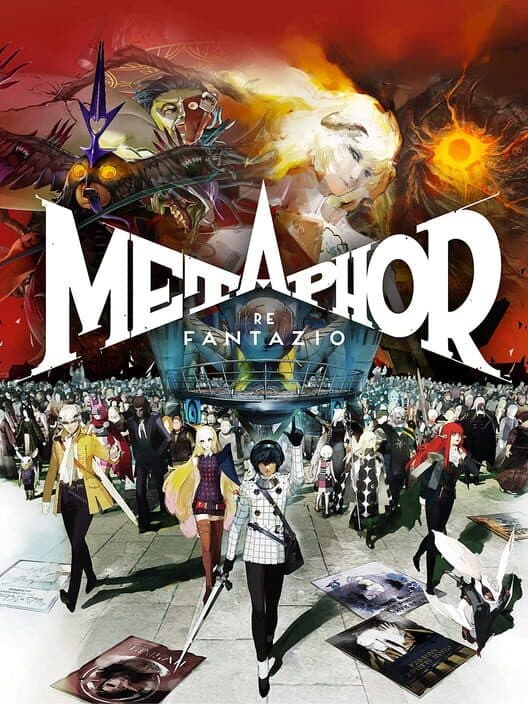
Metaphor: ReFantazio
Atlus • 2024 • Xbox Series X|S, PlayStation 4, PC (Microsoft Windows), PlayStation 5
Is Metaphor: ReFantazio Worth It?
Yes, if you want a big, thoughtful fantasy you can live in for weeks. Metaphor: ReFantazio is at its best when you're planning a day, growing party bonds, and tuning Archetype builds for the next dungeon. The cast is strong, the political story gives the journey weight, and the music and menus make even routine actions feel special. What it asks from you is time. The opening hours are tutorial-heavy, the campaign is long, and the calendar structure means even small choices can feel important. If you love Persona-style relationship building and turn-based combat with real build flexibility, it's an easy full-price pick. If that sounds appealing but 70 to 90 hours feels intimidating, waiting for a sale makes sense. Skip it if you want a fast fantasy, short sessions with zero catch-up, or a story that gets to the point quickly. For the right player, though, it delivers one of the richest long-form adventures of the year.
What is Metaphor: ReFantazio like?
Opinions of Metaphor: ReFantazio
What Players Love
- Players Love
Cast chemistry and kingdom politics keep the journey compelling
Players consistently praise the party banter, ally arcs, and larger political stakes. The fantasy setting gives the social side a bigger, fresher sense of purpose.
- Players Love
The Archetype combat system stays deep without feeling overwhelming
Weakness targeting, turn management, and flexible class setups make battles satisfying for hours, while clear menus and tutorials keep the strategy readable.
- Players Love
Art, music, and menus make even routine actions feel special
Battle transitions, soundtrack cues, and bold interface design are frequent praise points. Even shopping, planning, and menu work feel stylish instead of dull.
Common Concerns
- Common Concern
Long runtime can make the later stretch feel slow
Many players love the journey but say the campaign can overstay its welcome. Late dungeons, side errands, and repeated planning loops sometimes soften momentum.
- Common Concern
Performance hiccups appear on some platforms and settings
A smaller but real group of players report stutter, frame dips, or roughness depending on hardware and settings. Usually annoying, not deal-breaking.
Divisive Aspects
- Divisive
Persona-like scheduling in fantasy is a real taste split
Some players love the familiar rhythm of planning days, raising bonds, and managing deadlines in a new world. Others wanted a cleaner break from that structure.
What does Metaphor: ReFantazio demand from you?
Time
HIGHTime
You can play in chunks, but the campaign is huge and loves the 'one more day' trick. It fits busy weeks better than chaotic drop-in play.
Focus
MODERATEFocus
This is a phone-down fantasy road trip where planning your day, reading weaknesses, and shaping party builds matter far more than fast hands.
Challenge
MODERATEChallenge
It starts dense and tutorial-heavy, then opens into a rewarding rhythm where class swapping, skill inheritance, and smart prep matter more than grinding.
Intensity
MODERATEIntensity
The pressure comes from looming deadlines, resource drain, and boss checks, not from constant panic. It feels serious and tense, but rarely frantic.
Frequently Asked Questions
You Might Also Like
Games with a similar rhythm and feel, even if they look different