Xbox Game Studios • 2020 • Xbox Series X|S, PC (Microsoft Windows), Xbox One, Nintendo Switch
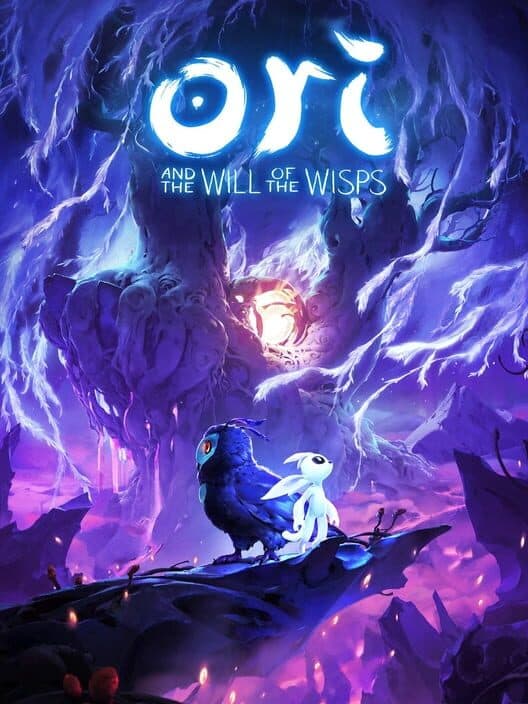
Ori and the Will of the Wisps
Xbox Game Studios • 2020 • Xbox Series X|S, PC (Microsoft Windows), Xbox One, Nintendo Switch
Is Ori and the Will of the Wisps Worth It?
Yes, Ori and the Will of the Wisps is worth it for most players who want a beautiful, movement-driven adventure that respects their time. Its biggest strength is simple: moving through this world feels amazing. As Ori gains new abilities, travel itself becomes fun, and the hand-painted visuals and music make the journey feel special from start to finish. Buy at full price if you enjoy platforming, light exploration, and a story with real heart. The main campaign is compact enough to finish in a few weeks of evening sessions, and the quick checkpoints keep mistakes from feeling punishing. Wait for a sale if you like the art but aren't sure about retry-heavy platforming or occasional backtracking. The rougher spots are real, especially during bosses and escape sequences. Skip it if precise jumps regularly frustrate you or if you want something you can half-play while distracted. This game asks for your eyes and hands. But if you're in the mood for a polished solo journey with memorable music, satisfying movement, and a complete story arc instead of an endless grind, it's one of the easiest recommendations in its lane.
What is Ori and the Will of the Wisps like?
Opinions of Ori and the Will of the Wisps
What Players Love
- Players Love
Art, animation, and music make every scene unforgettable
Players nearly always mention the hand-painted world, expressive creature animation, and sweeping score. Even routine travel feels elevated because the presentation is so polished.
- Players Love
Traversal feels smooth, fast, and deeply satisfying once abilities open up
As Ori gains dash, grapple, and bounce tools, simply moving through the map becomes a reward. Many players say travel is fun on its own, not just a way to reach goals.
- Players Love
Combat and upgrades feel richer than before for many players
Many players liked the added weapon choices, Spirit Shards, and side content. Those systems give the adventure more variety and make growth feel more tangible from zone to zone.
Common Concerns
- Common Concern
Launch technical issues still shape the game's reputation
Older reviews and community posts often mention stutter, crashes, bugs, and rare progress worries. Patches improved things, but that early roughness still comes up in discussion.
- Common Concern
Difficulty spikes and backtracking can wear some players down
Boss fights, escape runs, and collectible cleanup are the most common sticking points. Players who love precise platforming enjoy the push; others find those sections tiring.
Divisive Aspects
- Divisive
Expanded combat and quests split longtime fans somewhat
Some players enjoy the fuller structure because it gives the world more to do. Others preferred the cleaner, more platforming-first feel of the earlier game.
What does Ori and the Will of the Wisps demand from you?
Time
LOWTime
This is a manageable solo campaign that fits weeknights well, though you'll want a few minutes to remember routes and abilities after a break.
Focus
MODERATEFocus
You can't half-watch this. Exploration is relaxed, but active play needs steady eyes and hands as movement chains, hazards, and quick fights keep you engaged.
Challenge
MODERATEChallenge
You'll learn the basics fast, then spend the rest of the game getting smoother, quicker, and more confident with a movement kit that keeps expanding.
Intensity
MODERATEIntensity
Most of the journey feels adventurous rather than punishing, with stress arriving in short spikes during bosses, escapes, and precision rooms.
Frequently Asked Questions
You Might Also Like
Games with a similar rhythm and feel, even if they look different