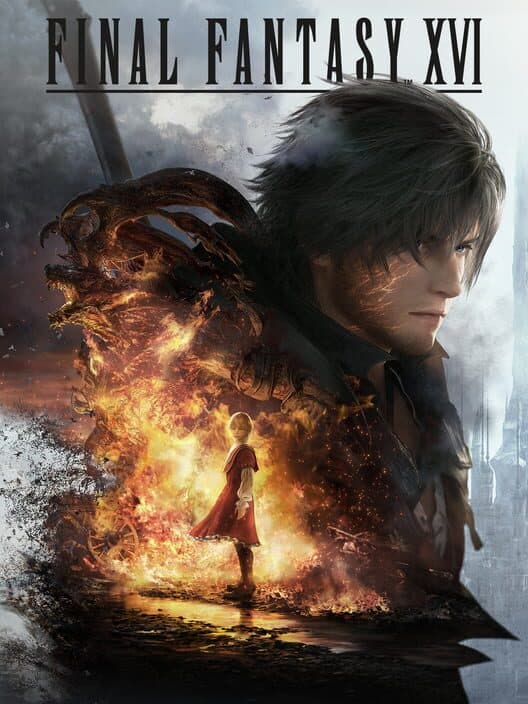
Final Fantasy XVI

Square Enix2023Xbox Series X|S, PC (Microsoft Windows), PlayStation 5
Cinematic single-player action RPG

Dark, violent mature fantasy story

Guided 35–50 hour campaign

Is Final Fantasy XVI Worth It?

Final Fantasy XVI is worth it if you want a big, cinematic single-player adventure with stylish but approachable combat. It shines for players who enjoy dark fantasy stories, character-focused drama, and the feeling of steadily unlocking new powers without managing a huge open world. The game asks for a moderate time investment: roughly 35–50 hours to see the story through, with sessions that work well in 60–90 minute chunks. You’ll also need some tolerance for long cutscenes, heavy themes like slavery and war crimes, and a fairly linear structure. In return, you get spectacular Eikon battles, a strong central arc for Clive, and combat that feels good whether you’re playing casually or experimenting with deeper combos. Buy at full price if you love narrative-driven action games like God of War and don’t mind mature content. Wait for a sale if you’re mainly here for traditional JRPG party systems or wide-open exploration. Skip it if you dislike long cutscenes or grim fantasy settings.

When is Final Fantasy XVI at its best?

When you have a free evening and want a focused, movie-like fantasy episode with one major mission, big story beats, and maybe a memorable boss fight before bed.

On nights when you’re mentally alert enough for reactive combat but not up for complex strategy or open-world wandering, and you’d enjoy being pulled along by a clear main objective.

Over a few weeks when you’re in the mood for a single, contained epic to follow start to finish, instead of juggling multiple games or a never-ending live service.

What is Final Fantasy XVI like?

For a time-strapped adult, Final Fantasy XVI fits more like a prestige TV series than an endless hobby. A full story run with a sensible amount of side content usually lands around 35–50 hours, which translates to four to six weeks if you play a few nights a week. Chapters, hunts, and side quests form natural session chunks, so it’s easy to say, “I’ll just clear this mission and stop.” The game pauses anywhere outside of combat, autosaves often, and lets you make manual saves at the Hideaway and between quests, which helps when life interrupts. Coming back after a break is straightforward thanks to clear quest logs and a directed chapter structure; you’ll mostly need a quick fight or two to remember your button timing. There’s no multiplayer scheduling or seasonal treadmill demanding regular logins. The main ask is tolerating some long cutscenes and a few padded stretches, but in return you get a complete, self-contained adventure you can reasonably finish on adult life schedules.

Tips

  • Aim for 60–90 minute sessions focused on a single main quest or hunt chain so you always stop at a satisfying milestone.
  • Save at the Hideaway before diving into major story missions, making it easier to recall your next step after a few days away.
  • Use console suspend or rest mode rather than forcing yourself through extra cutscenes when you’re already tired; the game resumes cleanly where you left off.

A typical session in Final Fantasy XVI has a comfortable ebb and flow. The quieter parts—wandering the Hideaway, checking the hunt board, watching cutscenes—let your mind relax and follow the story without constant input. Once you launch a quest or hunt, things tighten up: you’re watching enemy tells, managing three wheels of Eikon abilities, and timing dodges or bursts to stagger foes. It isn’t mentally overwhelming, but it does ask you to be present during combat instead of half-watching like background TV. Because the game doesn’t pile on puzzles, complex builds, or party micromanagement, there’s less to juggle than in many RPGs. The tradeoff is that when it’s time to fight, you should be ready to pay attention, especially for bosses and Eikon duels. For a tired adult, this means it’s fine for weeknights as long as you’re willing to focus during battles and let the story sections double as built-in cooldowns.

Tips

  • Use Story Focused mode and Timely accessories if you’d rather enjoy the spectacle than worry about executing perfect dodges and long combos.
  • Start big boss or Eikon fights when you can spare twenty focused minutes; save simpler side quests for more distracted evenings.
  • Treat Hideaway visits and cutscenes as natural micro-breaks to stretch, grab water, or check messages between higher-focus combat segments.

Final Fantasy XVI is very approachable for a busy adult. Within the first evening you’ll understand basic combos, dodging, and swapping Eikons, and the game steadily layers in new abilities without overwhelming you. Beating the story on default settings doesn’t require frame-perfect execution or deep study; you can lean on flashy skills and generous windows and still roll credits. Under the surface, though, there’s more to explore. Chaining Eikon abilities, optimizing stagger damage, and using cancels to extend combos all add satisfying nuance. Score-attack stages, high-rank hunts, and New Game+ crank things up for players who enjoy refining their skills. The key is that this depth is optional rather than mandatory homework. If you’re time-poor, you can happily treat it as a cinematic ride with stylish but forgiving combat. If you fall in love with the systems, there’s enough mastery potential to keep you experimenting well past the credits.

Tips

  • Introduce new Eikon abilities into your rotation one at a time, practicing them in normal encounters before worrying about fancy combo routes.
  • Use the training room as a five-minute lab to test ideas when you feel curious, not as an obligation before every session.
  • Skip New Game+ and arcade modes unless you genuinely crave tougher fights; the first playthrough already showcases almost all the game’s best moments.

The game’s intensity comes from two directions: emotional darkness and flashy action. The world of Valisthea is full of executions, slavery, and brutal wars, so the story can feel heavy, especially in its most tragic chapters. At the same time, fights are big and loud, with screen-filling effects and roaring music that get your heart rate up during major bosses and Eikon clashes. However, this isn’t a constant pressure cooker. Default difficulty, assist accessories, and plentiful checkpoints mean failure usually costs only a couple of minutes, so you’re rarely stuck in frustrating loops. You can always take a breather in the Hideaway or pause mid-scene if life interrupts. For many adults, this lands in a sweet spot: exciting and dramatic without the punishing stress of a Souls game or the relentless jump-scare tension of horror. The main caveat is the tone—if graphic violence and oppression themes drain you, the emotional weight may feel more exhausting than the actual gameplay demands.

Tips

  • If dark themes wear you down, limit yourself to one heavy story chapter per night and follow it with something lighter or more relaxing.
  • Lower difficulty or equip assist accessories if repeated deaths start to sour big encounters; there’s no shame penalty, and you still see everything.
  • Consider reducing vibration and volume late at night if the constant audiovisual barrage makes boss fights feel more exhausting than fun.

Frequently Asked Questions