Nintendo • 2024 • Nintendo Switch
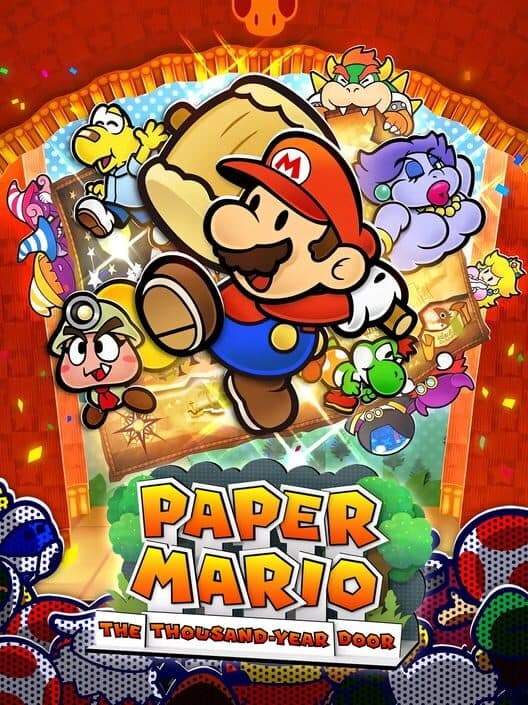
Paper Mario: The Thousand-Year Door
Nintendo • 2024 • Nintendo Switch
Is Paper Mario: The Thousand-Year Door Worth It?
Yes, Paper Mario: The Thousand-Year Door is worth it if you want a funny, finite adventure with lively turn-based battles and a clear ending. What makes it special is not raw challenge or giant choice trees. It's the constant charm: weird townsfolk, memorable chapter gimmicks, and combat that stays awake because you time attacks and tune Mario with badges. It asks for steady attention, a lot of reading, and some patience with old-school backtracking. In return, it gives you a warm, well-paced journey that fits nicely into weeknight sessions and feels complete at the credits. Buy at full price if you love characterful Nintendo-style adventures, missed the original, or want a polished story you can actually finish in a few weeks. Wait for a sale if you're curious but sensitive to errands, repeated travel, or light difficulty. Skip it if you want deep tactical systems, modern save-anywhere convenience, or a demanding challenge from start to finish.
What is Paper Mario: The Thousand-Year Door like?
Opinions of Paper Mario: The Thousand-Year Door
What Players Love
- Players Love
Humor and chapter ideas still make the adventure shine
Players keep pointing to the funny writing, expressive cast, and memorable chapter setups as the reason this journey still feels special years later for them.
- Players Love
Timed battles and badge builds stay fun throughout
Action commands keep turns active instead of sleepy, and the badge system gives you enough room to experiment without drowning you in complex build math each chapter.
- Players Love
The remake looks and sounds polished without losing identity
Many players love how the new visuals, music treatment, and small quality-of-life touches freshen the game up while keeping its original personality intact.
Common Concerns
- Common Concern
Backtracking and errands can slow the adventure down
A common complaint is repeated travel during certain chapters and objectives. Those older pacing quirks can make parts of the trip feel padded by today's standards.
- Common Concern
The main path can feel easy for genre veterans
A smaller but steady group says the core journey stays engaging without pushing very hard, especially if you already know turn-based battles and basic resource play.
Divisive Aspects
- Divisive
Its faithfulness feels respectful to some, too cautious to others
Some players appreciate that the remake preserves the original closely, while others wish it had gone further in smoothing out older friction and pacing issues.
What does Paper Mario: The Thousand-Year Door demand from you?
Time
MODERATETime
It fits a few evenings a week well with a clear ending, decent chapter stopping points, and solo play, but not true save-anywhere freedom.
Focus
LOWFocus
You can play a little tired, but not half-absent. It wants steady reading, light planning, and attention to timed buttons more than sharp reflexes.
Challenge
LOWChallenge
The basics click fast, then the game slowly rewards cleaner timing, smarter badge choices, and better partner matchups without demanding huge homework.
Intensity
LOWIntensity
Most of the journey feels warm and easygoing, with brief spikes when bosses hit harder or a dungeon run goes long between safe stopping points.
Frequently Asked Questions
You Might Also Like
Games with a similar rhythm and feel, even if they look different