Ubisoft Entertainment • 2024 • Xbox Series X|S, PlayStation 4, PC (Microsoft Windows), PlayStation 5, Mac, Xbox One, Nintendo Switch
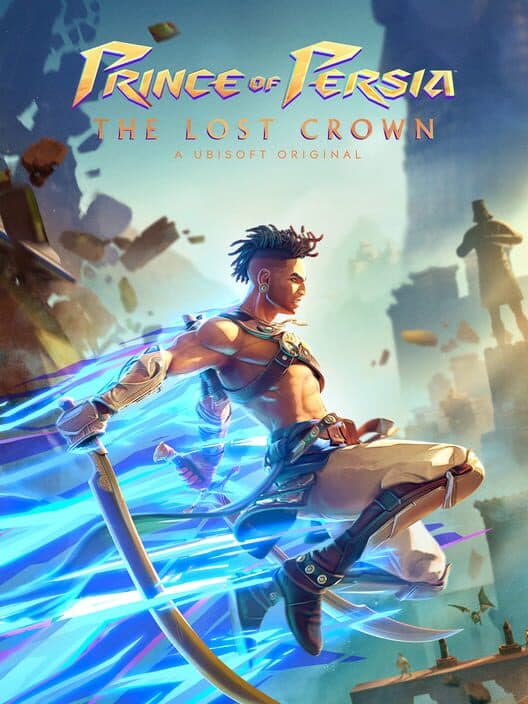
Prince of Persia: The Lost Crown
Ubisoft Entertainment • 2024 • Xbox Series X|S, PlayStation 4, PC (Microsoft Windows), PlayStation 5, Mac, Xbox One, Nintendo Switch
Is Prince of Persia: The Lost Crown Worth It?
Yes—Prince of Persia: The Lost Crown is worth it if you want a tightly made action game that feels great in your hands and respects your time. Its biggest strength is how cleanly movement, combat, and exploration feed each other. Every new power makes old spaces more interesting, boss fights reward learning instead of grinding, and the map tools cut down a lot of the usual genre frustration. It is especially easy to recommend at full price if you love platforming, readable challenge, and the satisfaction of getting better over a 20 to 30 hour run. Wait for a sale if you mainly play for story or character drama, because the plot does the job without becoming the main reason to show up. Also wait if you know you dislike revisiting older areas with new abilities. Skip it if backtracking, parry timing, or focused platforming usually bounce off you. For the right player, though, this is one of the clearest examples of a game asking for steady attention and paying it back with constant momentum.
What is Prince of Persia: The Lost Crown like?
Opinions of Prince of Persia: The Lost Crown
What Players Love
- Players Love
Movement and combat feel sharp from the very start
Players consistently praise how good simple actions feel, from dashes and parries to basic sword strings. Even mixed reviews often say the controls carry the whole game.
- Players Love
Exploration tools cut down common metroidvania map frustration
The interconnected world lands well because screenshot pins, markers, and ability-gated returns help players track leads without turning exploration into busywork.
- Players Love
Difficulty and guidance options help more players finish
Many players call out the flexible challenge and navigation settings as a real strength, letting them smooth rough edges without stripping out the fun.
Common Concerns
- Common Concern
Story and characters rarely match the gameplay highs
Even very positive players often describe the plot as serviceable. The action and exploration do the heavy lifting, while the cast leaves less of a lasting mark.
- Common Concern
Late-game cleanup and backtracking can wear thin
Players who go beyond the credits sometimes find collectible hunting and repeated zone revisits more tedious than the main adventure, especially near the end.
Divisive Aspects
- Divisive
Art style and tone split long-time series fans
Some returning fans love the bold look, while others feel the visual style and character tone do not match what they wanted from this name.
What does Prince of Persia: The Lost Crown demand from you?
Time
MODERATETime
It fits weeknights better than most exploration-heavy games. You can make real progress in an hour, though long breaks mean a short reorientation lap.
Focus
HIGHFocus
You're rarely overwhelmed, but you're almost always engaged. Rooms ask you to read space, enemy tells, and route options with more care than a laid-back action game.
Challenge
MODERATEChallenge
Easy enough to get rolling, rewarding enough to grow into. The game teaches clearly, then asks you to sharpen timing and movement over time.
Intensity
MODERATEIntensity
Pressure comes in bursts, not all night. Bosses and trap rooms can make your palms sweat, then exploration quickly lets you breathe again.
Frequently Asked Questions
You Might Also Like
Games with a similar rhythm and feel, even if they look different