hello@slated.gg
Powered by IGDB•Privacy•Terms

© 2026 Slated.gg

Slated.gg
Popular GamesAboutDiscover Games
Nivalis Nights

505 Games • 2026 • PC (Microsoft Windows)
Story-driven
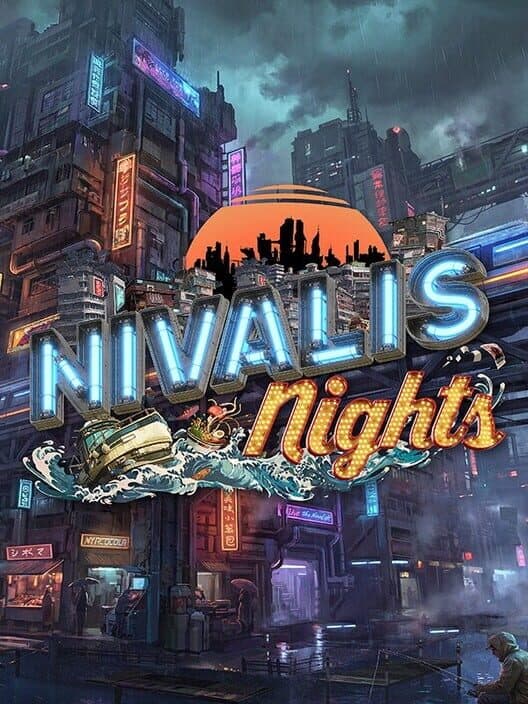
Nivalis Nights cover art

Nivalis Nights

505 Games • 2026 • PC (Microsoft Windows)

Story-driven

Is Nivalis Nights Worth It?

Yes, if atmosphere and character-driven wandering matter more to you than deep management. Nivalis Nights is at its best when you're riding through rain, checking on your noodle bar, and stumbling into a voiced side story that makes the city feel alive. The catch is that the fantasy is broader than the systems beneath it. Running venues, decorating apartments, fishing, and relationships are all here, but many players feel each layer is lighter than the pitch suggests. Right now the launch state also matters: performance problems and management bugs are common enough to shape the experience. Buy at full price if you mainly want a moody place to live in for 25 to 40 hours and can tolerate some rough edges. Wait for a sale or a few more patches if you want smoother performance or deeper sim depth. Skip it if your main goal is a tight tycoon game or a truly cozy, low-pressure unwind.

What is Nivalis Nights like?

Opinions of Nivalis Nights

What Players Love

  • Players Love

    Neon atmosphere and music make the city unforgettable

    Even mixed reviews usually praise the rain-soaked streets, dense skyline, ambient chatter, and soundtrack. The setting itself carries a huge part of the game's appeal.

  • Players Love

    Voiced characters give errands a reason to matter

    Players often stick around for the cast. Side quests and daily routines feel more meaningful because so many conversations are fully voiced and tied to memorable personalities.

Common Concerns

  • Common Concern

    Performance and staff bugs disrupt the launch experience

    Stutter, memory issues, and unreliable venue automation come up constantly. For many players, technical problems shape the game as much as its story or management loops.

  • Common Concern

    Life and business systems feel lighter than expected

    A common complaint is that restaurants, apartments, romance, and other side systems look broader than they play, leaving the fantasy thinner than the premise suggests.

Divisive Aspects

  • Divisive

    Fast in-game days feel urgent or exhausting to players

    Some people love the oppressive pace, but many feel buried by quest clutter and short days. The same timer that creates momentum can also turn errands into busywork.

What does Nivalis Nights demand from you?

Time

MODERATE

Time

It fits real life better than most sims thanks to pause and save-anywhere, but the city is easiest to enjoy in hour-long chunks.

MODERATE

This is a medium-size commitment that fits adult schedules better than its busy presentation suggests. A satisfying playthrough is likely around 25 to 35 hours for the main story and one business that feels stable, with more time available if you chase side stories, decorating, fishing, or extra venue tinkering. The game helps by giving you full pause and manual saving from the menu, so real-life interruptions are not a disaster. It also creates natural stopping points because sleeping ends the day, shows your results, and neatly brackets a session. In practice, though, it works best when you have at least an hour. Tiny check-ins can feel wasteful because travel, setup, and daily planning eat part of the session. It is also a little sticky to return to after a week or two away. You may need time to remember stock problems, quest threads, and which district you meant to visit next. Since it is fully single-player, there is no social pressure to log in, only the game's own unfinished-business pull.

Tips
  • Aim for sixty to ninety minute sessions so you can finish a day, sleep, check the summary, and quit cleanly.
  • When taking a break for a week, leave yourself a note about ingredients, staff issues, and active quests. Re-entry is the real hidden tax.
  • Manual save before quitting even though autosaves exist. Day-end saves are reliable, but same-day progress can disappear if you trust them too much.

Focus

MODERATE

Focus

Expect steady plate-spinning, route planning, and conversation reading. It rewards attention and short-term memory more than fast hands or flawless action timing.

MODERATE

Nivalis Nights asks for regular, purposeful attention. A normal session has you checking ingredient shortages, deciding whether tonight is for business upkeep or quest progress, reading dialogue that is not always clearly signposted, and navigating a layered city while the clock keeps moving. That sounds busy because it is. The game wants you to hold a few priorities in your head at once and switch between them cleanly. In return, it delivers a strong feeling of living in a place rather than clearing disconnected tasks. The planning matters more than speed, though. You rarely need lightning reflexes, and there is almost no action-game execution wall. What matters is noticing bottlenecks, remembering routes, and choosing the next best errand before the day slips away. This is not a great second-screen game, and it is only moderately friendly to half-attention play when unpaused. If you enjoy light management, social reading, and city wandering with purpose, the mental load feels engaging rather than exhausting.

Tips
  • Pick one priority before leaving home: business upkeep, quest progress, or shopping. The city feels much cleaner when you stop trying to do everything.
  • End sessions after sleeping and reviewing profits. That gives you a natural reset point and makes it much easier to remember your next move.
  • Use fast travel more than your pride wants. Walking is atmospheric, but during busy weeks it adds more stress than value.

Challenge

MODERATE

Challenge

Easy controls hide a messier adjustment period. The real learning is understanding priorities, city flow, and which systems deserve your energy first.

MODERATE

Getting started is simple, but getting settled is messier. Walking around, talking to people, buying stock, and opening menus are all easy enough in the first hour. The harder part is learning what deserves your attention, how quickly days move, which errands can wait, how much to trust staff automation, and how to move through the city without wasting half the evening. That makes the first several hours feel more overwhelming than punishing. The good news is that failure is usually soft. A bad choice tends to cost money, ratings, or time instead of wiping long stretches of progress, and manual saves let cautious players protect themselves before important conversations or risky experiments. So the game asks for patience more than raw skill. If you like untangling a slightly messy routine until it clicks, the learning process is satisfying. If you want a calm, clearly taught ramp-up, the early game may feel under-explained and busier than it needs to be.

Tips
  • Let one venue become boringly stable before expanding. Early overwhelm usually comes from stacking new systems before the first one makes sense.
  • Read profit screens and staffing bottlenecks instead of hovering nonstop. Small fixes usually matter more than constant micromanagement on the floor.
  • Expect eight to twelve hours before the city feels intuitive. Early confusion is normal, especially with navigation and crowded objectives.

Intensity

LOW

Intensity

This is pressure by accumulation: debt, curfew, and too many errands humming in the background, rarely terrifying but often too busy to feel truly cozy.

LOW

The pressure here is steady rather than explosive. Most sessions do not raise your pulse like a horror game or boss fight marathon. Instead, the game creates a low, worklike tension through debt, curfew rules, crowded objectives, and the feeling that your restaurant, your quest log, and your social life all want something from you at once. That can be a real strength. It gives the city personality, and it makes success feel earned when you finally stabilize a venue or end the night with profit instead of chaos. The flip side is that the game is not the gentle comfort some players may expect from its fishing, decorating, and relationship hooks. Mistakes are usually survivable, since you are losing time, money, or efficiency rather than dying and restarting, but the emotional tone still leans restless. It asks you to tolerate background pressure and launch-state rough edges, then pays you back with immersion, momentum, and the satisfying relief of getting your small corner of Nivalis under control.

Tips
  • Treat curfew like a soft boundary, not a dare. Most nights feel better when you bank progress instead of squeezing in one risky errand.
  • If the pace feels oppressive, ignore side systems for a while and focus on stabilizing one venue first. Reliable income lowers the stress fast.
  • Save before important conversations or big management changes. That turns unclear choices and buggy behavior into minor annoyances instead of evening-ruiners.

Frequently Asked Questions

Nivalis Nights is moderately hard, but not because of fast reflexes. The hard part is staying organized while the clock keeps moving. You'll be juggling stock, menus, staff problems, travel routes, curfew rules, and a quest log that can feel crowded. Basic movement and interaction are easy, and there is no traditional combat wall like you'd hit in Dark Souls or even a demanding action RPG. The closer comparison is a busier life sim or light tycoon game where the challenge comes from too many responsibilities at once. Most people should understand the basics within a few hours, but feeling truly settled often takes closer to 8 to 12 hours. Save-anywhere helps a lot, and mistakes usually cost money or time rather than forcing a restart. If you enjoy organizing messy systems, the difficulty feels manageable. If you want a calm game that explains itself cleanly from the start, the opening may feel more stressful than hard.

Expect about 25 to 35 hours to reach the credits and get one business feeling stable, and 40 to 55+ hours if you spend time on side quests, decorating, fishing, and extra venue tinkering. It works better in 60 to 90 minute sessions than in tiny 15 minute check-ins, because a satisfying stop usually means finishing an in-game day, sleeping, seeing the profit summary, and then saving. The good news is that you can pause anytime and make a manual save from the menu, so real-life interruptions are very manageable. This is not an endless-lifestyle game unless you really love the setting. Most people will feel they have seen the main appeal once the story wraps and they have sampled the side systems. Replay time comes from different relationship paths, missed quests, decorating choices, and trying to run businesses more efficiently, but the long-tail sandbox is not the main draw right now.

Nivalis Nights is moderately stressful in a low-grade, always-behind way, not in a jump-scare or action-heavy way. Most of the pressure comes from debt, the fast day/night clock, cluttered objectives, and the feeling that your business, quests, and social life all want attention at once. When everything clicks, that pressure helps the city feel alive and a little oppressive in a good, thematic way. When you're tired, it can feel like doing errands with a timer attached. Failure is rarely devastating, since there is no combat death loop and most mistakes cost money, ratings, or time. That keeps the stress from becoming truly punishing, but it does not make the game cozy. It's best played when you want to be busy and engaged, not when you want pure bedtime comfort. If you want something soothing like Animal Crossing, this will likely feel too tense at launch.

Yes. Nivalis Nights is built entirely for solo play, and it suits solitary sessions well. There are no co-op systems, no guild pressure, no matchmaking, and no fear of falling behind friends. You can play offline, pause whenever real life interrupts, and save manually from the menu, which makes it much easier to fit around work or family than online games with fixed matches or social obligations. The one caveat is mental re-entry. If you leave for a week or two, you may need a few minutes to remember which venue was struggling, what ingredients you needed, and which quest threads mattered. The game also feels best in chunks of about an hour, since ending after an in-game day gives you a clean stopping point. So yes, it is very playable alone, but it is not effortless. It asks more attention and memory than a pure cozy sim, even though the structure itself is flexible.

No. Nivalis Nights is a standard one-time purchase, and there is no sign of pay-to-win design in the base game. There is no cash shop selling better staff, faster profits, stronger gear, time skips, or premium relationship paths. Everyone gets the same businesses, story content, and progression systems after buying the game. The only extra item noted on the store page is an optional soundtrack bundle, which does not affect gameplay at all. That matters here because progression is tied to learning the city's routines, managing venues better, and making story choices, not spending money to remove friction. If the game feels rough, the pain points come from bugs, performance, or system depth, not monetization. In other words, if you wait to buy, it should be because you want patches or a sale, not because you're worried the game is built around microtransactions.

You Might Also Like

Games with a similar rhythm and feel, even if they look different

Explore more→
The Alters game cover art
Story-driven

The Alters

Time
MODERATE
Focus
HIGH
Challenge
MODERATE
Intensity
MODERATE
Death Stranding game cover art
Story-driven

Death Stranding

Time
MODERATE
Focus
MODERATE
Challenge
MODERATE
Intensity
MODERATE
Breathedge game cover art

Breathedge

Time
MODERATE
Focus
MODERATE
Challenge
MODERATE
Intensity
LOW
Pacific Drive game cover art

Pacific Drive

Time
MODERATE
Focus
MODERATE
Challenge
MODERATE
Intensity
MODERATE
The Last Caretaker game cover art

The Last Caretaker

Time
MODERATE
Focus
MODERATE
Challenge
MODERATE
Intensity
LOW
Subnautica: Below Zero game cover art

Subnautica: Below Zero

Time
MODERATE
Focus
HIGH
Challenge
MODERATE
Intensity
MODERATE
← Back to Home