Bethesda Softworks • 2011 • PlayStation 3, PC (Microsoft Windows), Xbox 360
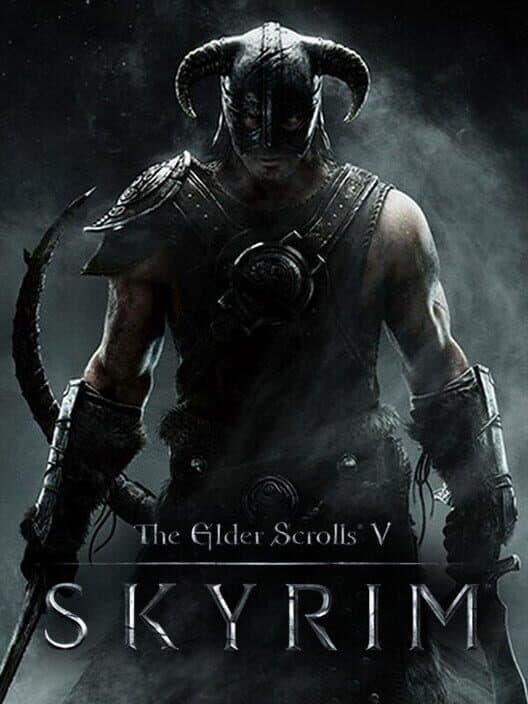
Huge open-world fantasy adventure sandbox RPG
Real-time combat with magic, stealth, archery
Long campaign, flexible short-session friendly
The Elder Scrolls V: Skyrim is still worth playing today if you enjoy big fantasy worlds and setting your own goals. It shines when you want to wander, pick a direction, and see what caves, ruins, and stories you stumble into. Character growth feels strong, with steady upgrades and the pleasure of slowly shaping a build that matches how you like to fight. In return, it asks for patience with repetition and some dated design. Many dungeons share similar layouts, combat is simple compared to newer action games, and the main story isn’t as gripping as modern cinematic epics. You also need to be comfortable taking on a long-term project rather than a short, tightly edited campaign. If you already know you like open-world RPGs, Skyrim is an easy full-price recommendation, even all these years later. If you’re curious but unsure, it’s a great buy on sale. If you dislike wandering, reading quest text, or managing loot, you can safely skip it.

Bethesda Softworks • 2011 • PlayStation 3, PC (Microsoft Windows), Xbox 360
Huge open-world fantasy adventure sandbox RPG
Real-time combat with magic, stealth, archery
Long campaign, flexible short-session friendly
The Elder Scrolls V: Skyrim is still worth playing today if you enjoy big fantasy worlds and setting your own goals. It shines when you want to wander, pick a direction, and see what caves, ruins, and stories you stumble into. Character growth feels strong, with steady upgrades and the pleasure of slowly shaping a build that matches how you like to fight. In return, it asks for patience with repetition and some dated design. Many dungeons share similar layouts, combat is simple compared to newer action games, and the main story isn’t as gripping as modern cinematic epics. You also need to be comfortable taking on a long-term project rather than a short, tightly edited campaign. If you already know you like open-world RPGs, Skyrim is an easy full-price recommendation, even all these years later. If you’re curious but unsure, it’s a great buy on sale. If you dislike wandering, reading quest text, or managing loot, you can safely skip it.
When you have an hour or so on a weeknight and want to clear one dungeon, finish a quest, then unwind with some light inventory management before bed.
On a quiet weekend afternoon where you can sink two to three hours into roaming a new region, following distractions, and really soaking in the world’s atmosphere.
When real life feels noisy and you crave gentle escapism, letting yourself meander through forests, towns, and guild storylines without the pressure of online teammates or strict objectives.
A big, weeks-long adventure best savored in 60–90 minute chunks, with generous saving and zero multiplayer obligations letting you pause life in Tamriel whenever needed.
Skyrim is not a quick weekend game; it’s a slow-burn project you dip into over many nights. To see the main story and one or two major guild arcs, plus some wandering and side dungeons, you’re realistically looking at 40–70 hours. At 8–10 hours a week, that’s a month or two of regular play before you feel you’ve “done” Skyrim in a satisfying way. The good news is that it’s very schedule-friendly. You can save almost anywhere, pause at any time, and most quests and dungeons break into chunks that fit a 60–90 minute session. There are no daily check-ins, timers, or online events demanding you log in at specific times, and no co-op partners depending on you to show up. The main downside for busy adults is coming back after a long break. A cluttered quest log and half-remembered character build can make re-entry take a full session. If you expect to step away often, it helps to keep written notes or maintain a simpler goal list. Overall, Skyrim asks for steady long-term commitment but offers plenty of flexibility in how you schedule it.
You’ll think about where to go and how to build your hero, but combat and exploration run at a relaxed pace most adults can handle tired.
Skyrim asks for a steady but manageable level of attention. In fights you’re watching enemy swings, projectiles, and your health and stamina bars, while swapping weapons, spells, and shouts as needed. Sneaking through dungeons means noticing lighting, noise, and trap triggers, but the pace is slow enough that you rarely feel rushed. Outside combat, a lot of time is spent jogging across the landscape, talking to NPCs, reading quest text, and browsing menus. Those parts are mentally lighter and can share space with a podcast, quick chats with family, or a tired brain after work. The game leans more on planning than pure reflexes. You’re choosing which quests to pursue, how to spend perk points, and what kind of character you want to become. None of that is hugely demanding, but it does reward paying enough attention to remember your goals for the night. Overall, it’s engaging without being exhausting, well suited to adults who want something to chew on mentally without needing peak concentration.
Easy to pick up and feel competent, with moderate depth if you enjoy tinkering with builds and crafting but little need to chase perfection.
Skyrim teaches its basics quickly. Within the first hour you’ll understand how to swing a weapon, cast a spell, sneak, loot, and follow quest markers. The deeper systems—skills improving through use, perk trees, crafting, enchanting, alchemy, and stealth multipliers—take a few evenings before they feel natural, but the game never forces you to master all of them at once. On normal difficulty, you don’t need sharp execution to succeed. Solid gear, a focused perk path, and basic tactics like kiting or sneaking are usually enough. As you learn how different skills interact, you can build characters that feel noticeably stronger: the classic stealth archer, a summoner who lets allies do the work, or a heavy-armored warrior who shrugs off damage. That growth feels good, but there’s a limit. Once you understand a few strong combinations, additional mastery mostly makes things easier rather than opening whole new layers. For a busy adult, this means you can enjoy meaningful improvement without committing to a demanding practice routine. The game rewards curiosity and experimentation more than tight mechanical skill.
Combat and creepy tombs add some tension, but generous saves and forgiving difficulty keep the overall mood closer to adventurous and cozy than heart-pounding.
Emotionally, Skyrim sits in a comfortable middle lane. You’ll have moments of tension—stumbling into a bandit ambush at low health, or hearing a dragon roar overhead—but the game gives you so many tools to recover that stakes rarely feel crushing. Death usually means reloading a recent save, with no permanent penalties, so the fear of losing hours of progress is low. Many dungeons are filled with undead and eerie music, which can be a bit spooky, but the horror is more gothic atmosphere than outright terror. On normal difficulty, most fights become manageable once you understand basic blocking, healing, and spacing. You can also lower the difficulty at any time if things ever feel like more pressure than fun. A large slice of your playtime is actually calm: walking through forests, talking to townsfolk, shopping, and crafting. Those quiet stretches help balance out the occasional adrenaline spike. For a busy adult, Skyrim is emotionally engaging without being draining, making it a solid choice for winding down rather than ramping up stress.
Games with a similar rhythm and feel, even if they look different