Bethesda Softworks • 2023 • Xbox Series X|S, PC (Microsoft Windows)
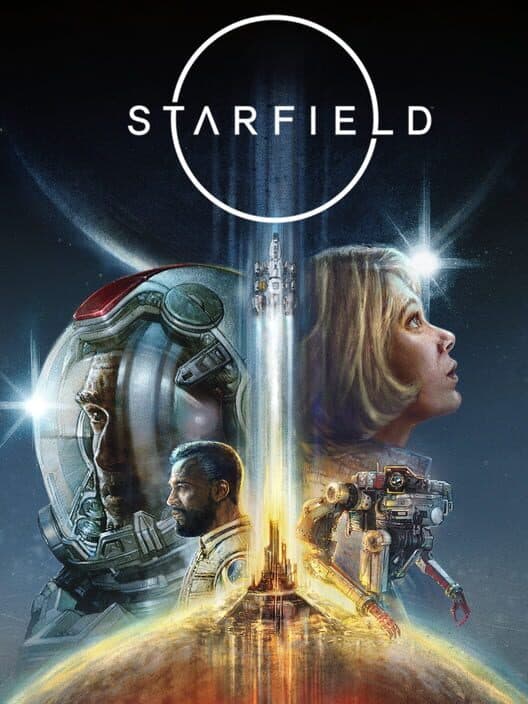
Starfield
Bethesda Softworks • 2023 • Xbox Series X|S, PC (Microsoft Windows)
Is Starfield Worth It?
Starfield is worth it if you want a big solo space adventure you can live in a little at a time. Its best stuff is not the promise of a thousand planets. It is the Bethesda-style loop of picking a role, following strong faction questlines, growing a build, looting everything not nailed down, and making a ship feel like home. That loop still works. Where the game asks something from you is patience. Travel is chopped up by menus and loading screens, inventory friction is constant, and the procedural planets lose their magic if you try to see everything. Buy at full price if you already know you love Skyrim, Fallout 4, or big open-ended sandboxes and mainly want a science-fiction version of that formula. Wait for a sale or Game Pass if you like the idea but need tighter pacing or more handcrafted discovery. Skip it if repeated points of interest, stop-start travel, and serviceable combat sound like dealbreakers.
What is Starfield like?
Opinions of Starfield
What Players Love
- Players Love
Faction questlines make the role-play loop really shine
Players often praise the faction arcs for giving the game its best writing, cleaner quest design, and that familiar joy of picking a role and living in it.
- Players Love
Ship building creates a strong sense of ownership
Even players mixed on the rest of the game often highlight ship design as a standout, since tweaking layout, parts, and style makes your ship feel truly yours.
Common Concerns
- Common Concern
Planetary exploration often starts to feel repetitive fast
The biggest complaint is that many landing zones and points of interest start blending together, so the promise of a huge galaxy can feel thinner than it first sounds.
- Common Concern
Menus, loading screens, and inventory friction break flow
Fast travel chains, cargo juggling, encumbrance, and constant menu hopping are common pain points. Many players say this stop-start rhythm weakens the space fantasy.
- Common Concern
Many systems work fine but rarely feel deep
Combat, outposts, space travel, and AI usually work well enough, but many players feel several big ideas stay serviceable instead of becoming standout systems.
Divisive Aspects
- Divisive
The slow opening and grounded tone split players
Some players enjoy the grounded science-fiction mood and gradual build, while others find the early hours flat and never fully connect with the game's pace.
What does Starfield demand from you?
Time
MODERATETime
It fits weeknight play well thanks to pause and save-anywhere, but seeing the best of it still takes dozens of hours across many sessions.
Focus
MODERATEFocus
Most nights alternate between relaxed questing and short combat bursts, with a lot of brain space spent on loot, maps, menus, and small planning calls.
Challenge
MODERATEChallenge
You can shoot and finish quests quickly, but the menus, ship systems, and scattered side mechanics take several sessions before they stop feeling clunky.
Intensity
LOWIntensity
This is usually a calm, low-stakes space adventure with occasional messy firefights, not a white-knuckle survival game or relentless shooter.
Frequently Asked Questions
You Might Also Like
Games with a similar rhythm and feel, even if they look different