Capcom • 2021 • Xbox Series X|S, PlayStation 4, PC (Microsoft Windows), PlayStation 5, Xbox One, Nintendo Switch
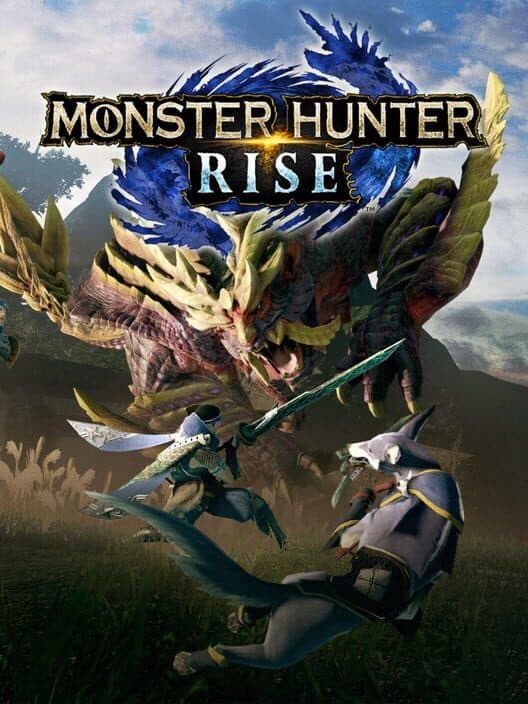
Monster Hunter Rise
Capcom • 2021 • Xbox Series X|S, PlayStation 4, PC (Microsoft Windows), PlayStation 5, Xbox One, Nintendo Switch
Is Monster Hunter Rise Worth It?
Yes—Monster Hunter Rise is worth it if you enjoy learning boss fights, building toward clear gear goals, and ending a session with visible progress. The best version of the game is a weeknight rhythm: pick a target, prep in town, hunt for 10 to 20 minutes, then come back with the exact part you needed for a new weapon or armor piece. Wirebugs and palamutes keep that loop fast, and the base game is one of the easier entries to enjoy solo. Buy at full price if that loop sounds exciting and you like getting better through repetition. Wait for a sale if you're curious but unsure about farming the same monsters more than once, or if you want a stronger story pulling you forward. Skip it if you mainly want one-and-done levels, heavy dialogue, or a game that stays effortless after a long break. The weakest patch is the mandatory Rampage content, but the core hunts are so strong that Rise still delivers excellent value for the right player.
What is Monster Hunter Rise like?
Opinions of Monster Hunter Rise
What Players Love
- Players Love
Wirebugs make hunts faster without losing the core rhythm
Players consistently praise the added mobility, quicker recoveries, and aerial options. The result feels faster and flashier while still rewarding reads and timing.
- Players Love
Weapon choice and gear farming stay satisfying for dozens of hours
Many players love picking a main weapon, targeting specific monster parts, and watching a build come together piece by piece after each successful hunt.
- Players Love
Solo play feels smoother thanks to concise hunts and palamutes
Compared with older entries, many say the shorter hunts, fast travel on palamutes, and clean quest structure make it easier to enjoy in short sessions.
Common Concerns
- Common Concern
Rampage quests feel messy beside the stronger standard hunts
This mode is the most common complaint. Players often describe it as cluttered and gimmicky, with less satisfying flow than normal one-monster hunts.
- Common Concern
Story wrap-up and endgame leave some players wanting more
Even players who enjoy the combat often say the story is light and the base-game endgame loses steam sooner than they hoped, especially if they wanted a longer progression tail.
Divisive Aspects
- Divisive
Lower difficulty is welcoming for newcomers but soft for veterans
Newer players often like the gentler onboarding and extra mobility, while long-time fans are split on whether the base game feels too forgiving.
What does Monster Hunter Rise demand from you?
Time
MODERATETime
It fits weeknights well with clean quest stops, but it still wants several weeks of regular play and a short re-learning period after breaks.
Focus
HIGHFocus
Hunts demand locked-in attention, fast reads, and careful spacing, while town time stays relaxed enough to plan your next target without mental overload.
Challenge
MODERATEChallenge
The opening hours are noisy, but learning one weapon at a time turns confusion into steady, satisfying improvement rather than a brick wall.
Intensity
MODERATEIntensity
Most pressure comes in sharp spikes when a monster enrages or carts run low, then quickly eases back into a colorful, upbeat rhythm.
Frequently Asked Questions
You Might Also Like
Games with a similar rhythm and feel, even if they look different