Capcom • 2018 • PlayStation 4, PC (Microsoft Windows), Xbox One
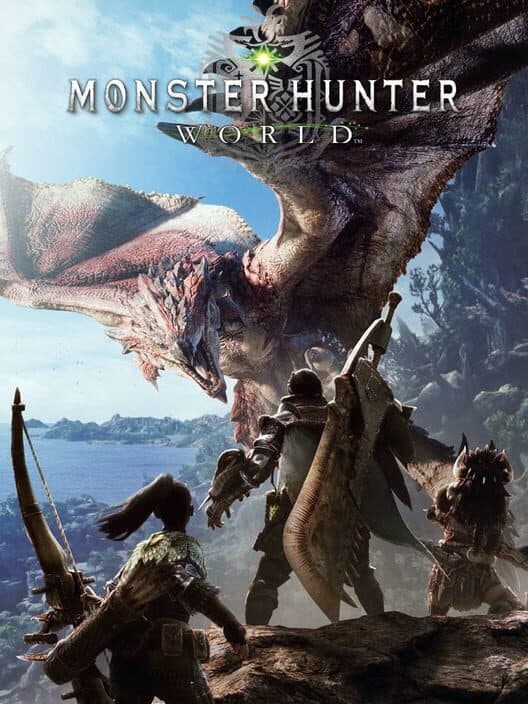
Deliberate boss-style monster hunting combat loops
50–70 hour gear-focused action campaign experience
Fully soloable with rewarding drop-in co-op
Monster Hunter: World is worth it if you enjoy deep boss fights, gear progression, and treating a game like a medium-term hobby. It shines when you’re willing to learn one or two weapons, pay attention during long, tense hunts, and gradually improve both your skill and equipment over weeks. The combat feels heavy and satisfying, the monsters are memorable, and each successful hunt feeds directly into new armor and weapons that noticeably change how you play. In return, the game asks for focus, patience with failure, and a decent time investment to truly click. If you mainly want a strong story, low-stress relaxation, or ultra-short sessions, this probably isn’t the right fit at full price. For players curious about the series or those who love methodical action games, it’s an excellent buy even now. If you’re unsure about the learning curve or long-term commitment, it’s a great candidate to grab on sale and try at your own pace.

Capcom • 2018 • PlayStation 4, PC (Microsoft Windows), Xbox One
Deliberate boss-style monster hunting combat loops
50–70 hour gear-focused action campaign experience
Fully soloable with rewarding drop-in co-op
Monster Hunter: World is worth it if you enjoy deep boss fights, gear progression, and treating a game like a medium-term hobby. It shines when you’re willing to learn one or two weapons, pay attention during long, tense hunts, and gradually improve both your skill and equipment over weeks. The combat feels heavy and satisfying, the monsters are memorable, and each successful hunt feeds directly into new armor and weapons that noticeably change how you play. In return, the game asks for focus, patience with failure, and a decent time investment to truly click. If you mainly want a strong story, low-stress relaxation, or ultra-short sessions, this probably isn’t the right fit at full price. For players curious about the series or those who love methodical action games, it’s an excellent buy even now. If you’re unsure about the learning curve or long-term commitment, it’s a great candidate to grab on sale and try at your own pace.
You’ve got a free evening with 60–90 minutes and want one big, focused fight plus some satisfying crafting and upgrades before bed.
You and a friend can reliably hop on voice chat for an hour, tackling a couple of big monsters together and celebrating each hard-earned capture or carve.
You’re in the mood for a “main hobby game” over the next month or two, something to chip away at a few nights a week and steadily master.
Best treated as your main game for several weeks, with 60–90 minute sessions built around one or two substantial hunts.
Monster Hunter: World is closer to a hobby than a quick fling. To see the story through and properly experience High Rank, you’re looking at 50–70 hours, which for a busy adult usually means a few months of regular play. The structure is friendly to weeknight gaming: each hunt plus preparation typically fits into 30–45 minutes, so a 60–90 minute session lets you tackle one or two monsters and handle some gear work. Where it’s less flexible is mid-hunt: you can’t really step away for long without risking failure, especially online. Between quests, though, you can safely stop at nearly any time. Coming back after a break is doable but not effortless; you’ll need a couple of hunts to remember your controls and item flow. Co-op is optional, so you’re not locked into fixed group schedules. The game asks you to give it decent-sized, focused chunks of time over weeks, and rewards that investment with steady, tangible progression.
Expect long, focused boss fights where you watch monster patterns, juggle items, and react in real time, broken up by calmer crafting and prep in town.
This is not a background TV kind of game. During a hunt your attention is glued to the screen: you’re watching the monster’s tells, checking your health and stamina, managing sharpness, and keeping track of positioning and allies. Fights last 20–40 minutes, and any lapse in attention can mean a big hit or even a failed quest. Before and after hunts things slow down; you’re browsing menus, planning gear upgrades, or casually gathering materials. Those quieter stretches give your brain a breather, but they’re short compared to the focused combat segments. If you’re often multitasking or parenting mid-session, you’ll need to time your hunts for when you can concentrate. The game rewards that focus with a strong sense of flow: once you’re “in the zone,” dodging and counterattacking feels natural and satisfying. It asks for real mental presence, and in return gives you the pleasure of mastering complex, readable encounters.
Takes a handful of sessions to feel comfortable, but investing in one weapon and learning tells makes the game dramatically more satisfying.
There’s a noticeable hump to get over with Monster Hunter: World. At first, weapons feel slow, inputs are unfamiliar, and monsters seem wildly unpredictable. After a few evenings you’ll understand the basic flow, but each weapon is basically its own martial art, and monsters have many moves to memorize. Reaching the point where you feel truly confident with one weapon against most threats can easily take 10–20 hours. The payoff is huge, though. As your skill grows, fights that once dragged on forever become quick, controlled hunts. You start predicting roars, rolling instinctively, and squeezing full combos into tiny windows. The game becomes less about survival and more about expression and style. It asks for patience, willingness to fail, and practice with the same tools over time. In return, you get one of the most satisfying feelings in gaming: looking back and realizing how effortlessly you now handle monsters that once terrified you.
Hunts are tense and demanding, with real stakes for failure, but the pacing is steady enough to feel exciting rather than overwhelming.
Monster Hunter: World sits in a sweet spot between laid-back and brutally punishing. Big fights can absolutely raise your heart rate—especially when you’re on your last allowed faint and the monster enrages. The tension builds over time instead of exploding in constant chaos, so the emotional rhythm is more like a tough sport match than a frantic shooter. When you fail, you lose the quest rewards and the time you spent, which stings but doesn’t ruin your overall progress. That keeps the pressure meaningful without turning every mistake into a disaster. For many players this creates “good stress”: adrenaline during the encounter, followed by a strong high when the monster finally goes down. If you’re already exhausted from work, you may want to warm up on easier optional hunts before diving into the hardest quests. The game asks you to stomach repeated close calls and some losses, and pays you back with very satisfying, hard-earned victories.
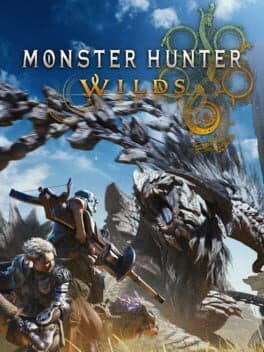
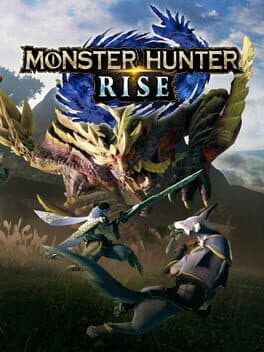
Games with a similar rhythm and feel, even if they look different