hello@slated.gg
Powered by IGDB•Privacy•Terms

© 2026 Slated.gg

Slated.gg
Popular GamesAboutDiscover Games
Castlevania: Belmont's Curse

Konami • 2026 • Xbox Series X|S, PC (Microsoft Windows), PlayStation 5, Nintendo Switch
Perfect for a weekend
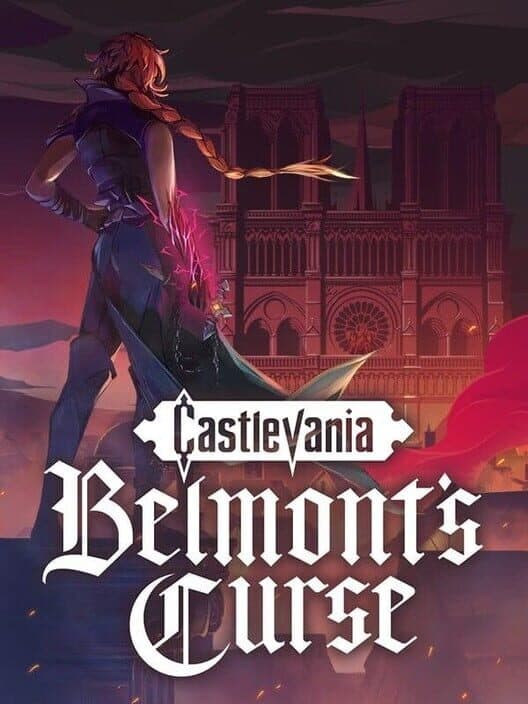
Castlevania: Belmont's Curse cover art

Castlevania: Belmont's Curse

Konami • 2026 • Xbox Series X|S, PC (Microsoft Windows), PlayStation 5, Nintendo Switch

Perfect for a weekend

Is Castlevania: Belmont's Curse Worth It?

Probably worth watching closely, and likely worth full price only if you already know you love exploration-heavy action games. The big draw is easy to see: a new Castlevania built around a large 2D map, sharp whip movement, secret hunting, and boss fights that look meant to be learned rather than brute-forced. If the final game lands, it should deliver the sweet spot many people want from this series: strong atmosphere, steady discoveries, and a satisfying sense that your hands and map knowledge got better over time. The catch is simple. This is still unreleased, and the biggest community worry is whether it feels like its own thing or too close to Dead Cells in style and pacing. Buy at launch if you're excited by pattern-heavy combat, don't mind save-room structure, and mainly want a focused solo campaign. Wait for reviews or a sale if you need proof on checkpoint kindness, art direction, or overall feel. Skip it if you want a story-first game, very low stress, or true save-anywhere convenience.

What is Castlevania: Belmont's Curse like?

Opinions of Castlevania: Belmont's Curse

What Players Love

  • Players Love

    Longtime fans are thrilled Castlevania is finally back

    Pre-release discussion is driven by excitement that the series is returning with a substantial new 2D journey after years away. For many fans, the comeback alone feels meaningful.

  • Players Love

    Many players trust the team to nail the action

    A common positive reaction is confidence in the studio's movement and combat feel. People expect tight controls, strong pacing, and action that feels good minute to minute.

  • Players Love

    Rose, Trevor, and classic bosses spark lore curiosity

    Rose Belmont, Trevor's return, and familiar bosses give longtime fans story hooks to latch onto. The premise is sparking curiosity even among people focused more on gameplay.

Common Concerns

  • Common Concern

    Some worry it may feel too much like Dead Cells

    The biggest caution is identity. Many fans want classic exploration and worry the final game could lean too hard on Dead Cells-like style, pacing, or roguelike habits.

Divisive Aspects

  • Divisive

    The new art style is already splitting opinions

    Some viewers love the brighter, more colorful look, while others feel it softens the gothic mood or looks too close to other modern action games. Atmosphere is the sticking point.

What does Castlevania: Belmont's Curse demand from you?

Time

MODERATE

Time

This seems built for weeknight sessions if you can stop at save rooms, though a week away will probably mean checking the map and your build again.

MODERATE

For a busy schedule, this looks fairly workable as long as you like tidy weeknight progress instead of instant drop-in convenience. The big advantage is flexibility in the moment. Official pages confirm full pause, and the game is fully solo and offline, so real life can interrupt without causing panic or letting other people down. A normal session should fit neatly into 45 to 90 minutes, with natural goals like reaching a new save room, opening a shortcut, or beating a boss. The catch is that stopping cleanly and returning cleanly are not the same thing. Preview material suggests save rooms and warp points rather than true save-anywhere freedom, so you may often push a bit farther before turning the game off. After a week away, expect a few minutes of map checking and build memory before you feel settled again. The overall arc still seems reasonable: probably a campaign you can finish in a few weeks, not an endless second job. That makes it appealing for people who want a substantial solo adventure without ongoing social obligations or a live-service treadmill.

Tips
  • Budget a few extra minutes before quitting so you can reach a save room or shortcut instead of abandoning progress mid-push.
  • After a break, start by checking the map and equipped items before fighting; two minutes of reorientation can save fifteen minutes of sloppy play.
  • This looks best in 45 to 90 minute sessions, long enough to make meaningful progress without turning every night into a marathon.

Focus

HIGH

Focus

You’ll spend most sessions actively reading rooms, jumps, traps, and enemy patterns, with just enough map and loadout thinking to keep the action from feeling mindless.

HIGH

Belmont’s Curse looks like the kind of game that wants your eyes and hands fully engaged for most of a session. The core ask is steady room-by-room reading: judging jump distance, spotting traps, managing enemy spacing, and noticing when a wall or side path looks suspicious. On top of that, there is just enough build choice through weapons, Relics, and Arcana to keep you thinking about how you want to approach the next stretch. It does not seem like heavy spreadsheet planning, but it also does not look like something you can half-play while watching a show. What you get back for that attention should be a strong action flow. Quiet exploration breaks up the pressure, then bosses and harder traversal sections turn that focus into satisfying problem solving. It seems closest to games where success comes from staying locked in, learning the shape of the space, and making cleaner decisions over time. If you enjoy the feeling of a map slowly becoming readable in your head, this looks promising. If you want background-play comfort, it probably won't be a great match.

Tips
  • Treat bosses as separate attempts from exploration runs; go in fresh instead of squeezing one more try out of a tired session.
  • When you unlock a shortcut or suspicious wall, take a quick screenshot so you remember why that map branch mattered later.
  • Stick with one weapon setup for a while before experimenting; consistency usually helps more than constant swapping during early learning.

Challenge

MODERATE

Challenge

It looks approachable in the first few hours, then asks you to learn movement tricks, boss tells, and build choices if you want smooth progress.

MODERATE

It looks learnable, but not effortless. The first few hours should teach the basics quickly enough: movement, whip combat, core map exploration, and how your gear choices shape a fight. The real ask comes after that. To play comfortably, you’ll likely need to absorb enemy rhythms, get cleaner with platform timing, and understand when a different weapon or Arcana setup gives you an easier answer. That is a very different kind of challenge from a giant strategy game. The systems do not seem impossible to understand; the game just expects you to apply them under pressure. The good news is that this kind of skill building often feels rewarding fast. You can usually feel yourself improving from one evening to the next as rooms get shorter, bosses feel slower, and backtracking becomes more intentional. The less good news is that mistakes probably cost some time, especially if save rooms are spaced out. So the game seems best for players who don't mind a few retries on the road to mastery and want a clear sense that their own improvement is part of the fun.

Tips
  • Use early encounters to learn spacing and recovery windows, not just to survive; that pays off when harder enemies remix the same lessons.
  • Experiment with Arcana or Relics between attempts if a boss feels wrong; a different loadout may solve the problem faster than brute force.
  • Expect the first few hours to feel bumpier than later ones; once movement clicks, the whole game should open up.

Intensity

MODERATE

Intensity

Expect steady gothic pressure with sharper spikes at bosses and tricky platforming, but not the nonstop panic of a horror game or ranked multiplayer match.

MODERATE

The emotional tone seems more pressurized than overwhelming. Expect a steady dark mood, regular combat risk, and spikes of stress when a boss or trap-heavy room starts asking for cleaner execution. That means the game probably asks for some nerve, but not the survival-horror kind where every step feels dreadful. Most of the tension here looks earned by action and progress risk: you push a little farther, take a few hits, wonder if a save room is nearby, then either crack the challenge or lose a slice of recent progress. The payoff is that this kind of pressure usually makes victories feel excellent. Clearing a tough room, finding a shortcut, or finally reading a boss pattern can create a strong release that calmer games do not deliver. The likely downside is that frustration could spike if checkpoints are stingy or if you tackle harder bosses while tired. In short, this seems like a game for nights when you want focused energy and a satisfying win, not a wind-down game for the couch with half your attention elsewhere.

Tips
  • If frustration rises, spend ten minutes exploring old branches instead of forcing the same boss; the lower-pressure progress can reset your mood.
  • Stop after a shortcut or save room, not after an angry loss, so your next session starts with momentum instead of irritation.
  • Play this when you want active engagement, not when you're winding down before bed or trying to multitask.

Frequently Asked Questions

It looks moderately hard overall, with spikes that could feel tough until you learn them. Based on official footage and previews, this seems closer to a demanding metroidvania like Hollow Knight or a sharper Castlevania than a punishing wall like Sekiro. Basic play should come together within the first few hours. The harder part is staying clean under pressure: reading boss tells, timing jumps and whip movement, and remembering which weapon or Arcana setup fits the room in front of you. So it probably won't be hard to understand, but it may be hard to play smoothly. That's an important difference. If you usually do fine in games like Bloodstained: Ritual of the Night, Prince of Persia: The Lost Crown, or Dead Cells on normal settings, you're probably in range here. If you dislike retrying bosses or repeating short sections after mistakes, this may feel tougher than the raw mechanics suggest. Official pages confirm some accessibility basics like subtitles, reminders, and controller remapping, but we do not yet know the final difficulty options or checkpoint generosity.

Expect roughly 12 to 18 hours for a main-path run, around 18 to 28 hours if you chase a healthy amount of secrets, and 25+ if you want near-full map cleanup. That is still a pre-release estimate, not a verified launch number, but everything shown points to a campaign-sized game rather than a massive lifestyle sink. The nice part is that it seems built for real weeknight play. A good session is probably 45 to 90 minutes: clear a branch, beat a miniboss, unlock a shortcut, or reach the next save room. Official pages confirm full pause support, so you can stop for real-life interruptions without panic. The bigger limit is progress banking. Preview material suggests classic save rooms instead of true save-anywhere freedom, so you'll often want to push a bit farther before ending for the night. If you come back after a week, expect a short reorientation period with the map and your current setup. It looks manageable, just not completely frictionless.

Probably moderate stress overall, with sharper bursts during bosses and tricky platforming. This does not look like horror-game panic or sweaty competitive pressure. The stress here is the good kind for many players: focused, pattern-based, and tied to the feeling that you can solve the problem if you stay sharp for one more try. Most of the time, the mood should be dark and tense rather than overwhelming. Exploring a haunted map, spotting traps, and choosing whether to press deeper or head for a save room creates a constant low hum of pressure. Then a boss or harder traversal stretch likely turns that hum into real frustration for a few minutes, especially if save rooms are spaced the old-school way. The payoff should be strong when a route clicks or a boss pattern finally opens up. This seems like a great fit when you want engaged, hands-on play and a sense of progress. It looks less ideal late at night when you're tired, distracted, or hoping for something cozy. If short repeats bother you more than challenge itself, the pressure may land a little harder.

Yes. It's built for solo play, and it looks reasonably friendly to casual scheduling with a couple of caveats. Official pages point to a fully offline, one-player game with full pause support, which is excellent if real life interrupts you. There are no group obligations, no raid nights, no ranked ladder, and no social pressure to keep pace with anyone else. Where the friction likely shows up is in progress banking and memory. Preview coverage suggests save rooms and warp points, so you can pause anytime but may not be able to save exactly when you want. That means the game should fit 60 to 90 minute sessions better than 15 minute snippets. Coming back after several days will probably require a quick map check and a reminder of which routes were locked and which build you were using. So the short answer is yes, with caveats. If your version of casual means steady weeknight sessions and no social commitment, this looks good. If casual means frequent drop-ins, distracted play, and zero desire to remember where you left off, it may feel a bit stickier than you want.

No, it does not look pay-to-win. Everything official points to a standard one-time purchase, not a game built around boosters, energy systems, or paid power. There is a pricier edition with extras like costumes, a digital gallery, and one bonus Relic or item, but that still does not read like a competitive advantage system because the game is fully single-player and has no PvP economy to distort. The more useful question here is whether the deluxe bonuses might cheapen early balance. Based on what is public so far, that seems unlikely to matter much for most players. In a solo action game, one extra item can make the opening a little smoother, but it does not turn the whole campaign into a paid shortcut in the way pay-to-win usually works. More important factors will be the final checkpoint tuning, boss balance, and how meaningful the build system feels. So if you're avoiding games with ongoing monetization traps, this appears safe. I would still wait for launch details if you care about how that bonus Relic is balanced, but there is no sign of battle passes, cash shops, or pressure to keep spending.

You Might Also Like

Games with a similar rhythm and feel, even if they look different
Explore more→
Chronoscript: The Endless End game cover art
Perfect for a weekend

Chronoscript: The Endless End

Time
MODERATE
Focus
HIGH
Challenge
MODERATE
Intensity
MODERATE
Metroid Dread game cover art
Perfect for a weekend

Metroid Dread

Time
LOW
Focus
HIGH
Challenge
MODERATE
Intensity
HIGH
No Rest for the Wicked game cover art

No Rest for the Wicked

Time
MODERATE
Focus
HIGH
Challenge
MODERATE
Intensity
HIGH
Hollow Knight game cover art

Hollow Knight

Time
MODERATE
Focus
HIGH
Challenge
MODERATE
Intensity
HIGH
Metroid Prime 4: Beyond game cover art
Perfect for a weekend

Metroid Prime 4: Beyond

Time
LOW
Focus
MODERATE
Challenge
MODERATE
Intensity
MODERATE
Beast of Reincarnation game cover art

Beast of Reincarnation

Time
MODERATE
Focus
HIGH
Challenge
MODERATE
Intensity
MODERATE
← Back to Home