Deep Silver • 2025 • Xbox Series X|S, PC (Microsoft Windows), PlayStation 5
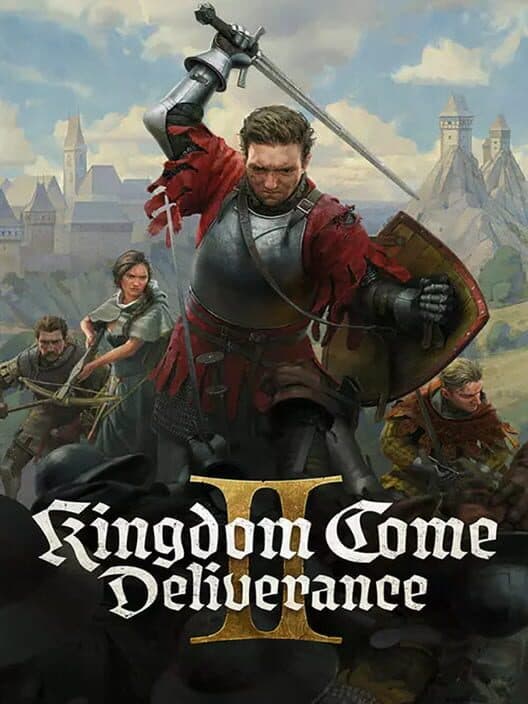
Kingdom Come: Deliverance II
Deep Silver • 2025 • Xbox Series X|S, PC (Microsoft Windows), PlayStation 5
Is Kingdom Come: Deliverance II Worth It?
Yes, Kingdom Come: Deliverance II is worth it if you want a grounded medieval world that feels lived in, and you're okay trading convenience for immersion. Its biggest strength is how often small things matter. Clothing, reputation, travel prep, money, and conversation choices all shape how a night plays out. Quests often let you talk, sneak, bribe, bluff, or fight your way forward, which makes side content feel authored instead of disposable. What it asks from you is patience. Combat is deliberate, saving is limited, and the game can be rough around the edges technically. That means it isn't the best pick if you want instant power, clean stop-anytime sessions, or a polished roller coaster with no friction. Buy at full price if the idea of living in a believable 15th-century world sounds exciting and you enjoy slower, consequence-heavy role-play. Wait for a sale if you like open-world story games but know bugs, long quests, or awkward early hours frustrate you. Skip it if limited saves and realism-heavy systems sound exhausting rather than immersive.
What is Kingdom Come: Deliverance II like?
Opinions of Kingdom Come: Deliverance II
What Players Love
- Players Love
Historical immersion makes the world feel startlingly real
Players keep praising how clothing, status, village life, and NPC behavior all fit together, making travel and conversation feel like living in a place, not touring a set.
- Players Love
Quests reward role-play more than checklist clearing ever does
Many side quests support talking, sneaking, bribing, or fighting your way through problems, so choices feel authored and personal instead of like clearing map chores.
- Players Love
Sequel improvements make the rough edges easier to accept
Players say the sequel keeps the grounded identity of the first game while smoothing combat feel, tutorials, and pacing enough for more people to stick with it.
Common Concerns
- Common Concern
Technical jank and frame dips can break immersion
Bugs, animation oddities, and uneven frame rates show up often enough to matter, especially in early play, and they can interrupt an otherwise absorbing evening.
Divisive Aspects
- Divisive
Realism-driven friction feels rich or tedious depending on taste
Limited saving, slower travel, and practical upkeep make the world feel richer for some players, while others see the same systems as needless drag on their free time.
What does Kingdom Come: Deliverance II demand from you?
Time
HIGHTime
Best in 60 to 120 minute chunks, with full pause helping a lot but limited saving and sprawling quests making clean exits less reliable.
Focus
HIGHFocus
Most sessions ask for steady, screen-on attention as you juggle dialogue, travel risk, gear upkeep, and deliberate melee instead of breezing through on instinct.
Challenge
MODERATEChallenge
The first dozen hours can feel clumsy and demanding, but once routines click, the game shifts from confusion to satisfying, grounded competence.
Intensity
MODERATEIntensity
This feels more like a slow-burn pressure cooker than a thrill ride, with risky travel, punishing mistakes, and fights that matter when they happen.
Frequently Asked Questions
You Might Also Like
Games with a similar rhythm and feel, even if they look different