Deep Silver • 2018 • PlayStation 4, Linux, PC (Microsoft Windows), Mac, Xbox One, Nintendo Switch
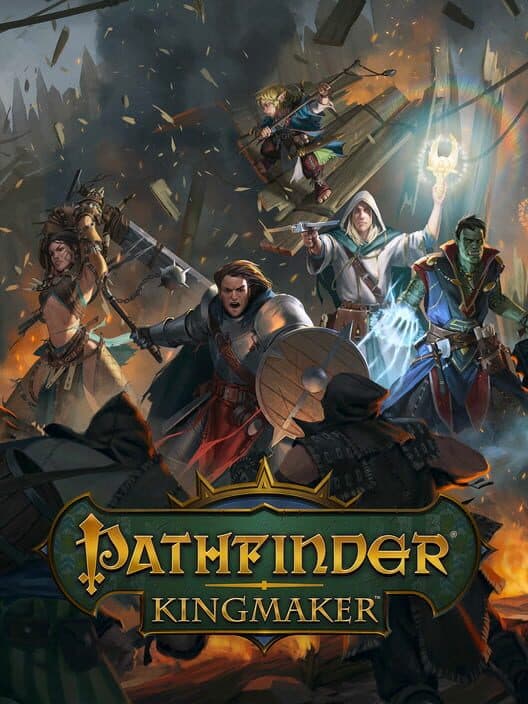
Pathfinder: Kingmaker
Deep Silver • 2018 • PlayStation 4, Linux, PC (Microsoft Windows), Mac, Xbox One, Nintendo Switch
Is Pathfinder: Kingmaker Worth It?
Yes, Pathfinder: Kingmaker is worth it if you want a long, crunchy campaign where party planning matters as much as story choices. Its big strength is the feeling of slowly turning a confusing ruleset into a working six-person team, then carrying that team through a ruler-sized adventure with meaningful decisions and strong long-form payoff. It asks a lot in return. Expect heavy reading, frequent pausing, level-up choices that really matter, and plenty of trial and error while you learn what the game expects. The kingdom layer adds flavor and scale, but it is also the piece most likely to test your patience. Buy at full price if you already enjoy old-school party RPGs, tabletop-style systems, or deep character building, especially on PC. Wait for a sale if you are curious but unsure about dense rules, timer pressure, or technical roughness. Skip it if you want breezy combat, smooth onboarding, or a game that welcomes long breaks without making you rebuild your mental map.
What is Pathfinder: Kingmaker like?
Opinions of Pathfinder: Kingmaker
What Players Love
- Players Love
Build variety makes party planning feel rich and meaningful
Players love how classes, feats, archetypes, and party roles truly change how a run plays. Planning a group feels closer to building a tabletop party than picking simple upgrades.
- Players Love
Long campaign and companions pay off over time
Fans who want a big ruler journey praise the slow-burn payoff. Companion stories, kingdom choices, and a full campaign arc give the ending weight after many chapters.
Common Concerns
- Common Concern
Kingdom deadlines can interrupt the adventure's natural pace
Many players like the idea of ruling, but dislike how advisor timers and urgent events pull attention away from quests and make outside guides feel tempting.
- Common Concern
Technical roughness still shapes some players' overall experience
Patches helped, but bugs, loading friction, and control issues still appear in discussion, especially from console players or anyone sensitive to quality-of-life problems.
Divisive Aspects
- Divisive
Hard fights reward planning but can feel opaque
Supporters enjoy studying defenses, buffing correctly, and solving brutal encounters. Others feel some fights rely too much on system knowledge the game explains poorly.
What does Pathfinder: Kingmaker demand from you?
Time
HIGHTime
This is a long solo campaign you can pause whenever life interrupts, but it still asks for weeks of steady memory and follow-through.
Focus
HIGHFocus
Most sessions are spent reading, planning, and pausing through six-character problems. It rewards full attention, but it cares little about raw reflexes.
Challenge
HIGHChallenge
The early hump is real because the rules are dense and not always well explained. Once they click, hard fights start feeling fairer.
Intensity
MODERATEIntensity
Pressure comes from long fights, limited spells, and kingdom deadlines. It feels draining in a slow-burn way, not like nonstop panic.
Frequently Asked Questions
You Might Also Like
Games with a similar rhythm and feel, even if they look different