Devolver Digital • 2021 • Xbox Series X|S, PlayStation 4, Linux, PC (Microsoft Windows), PlayStation 5, Mac, Xbox One, Nintendo Switch
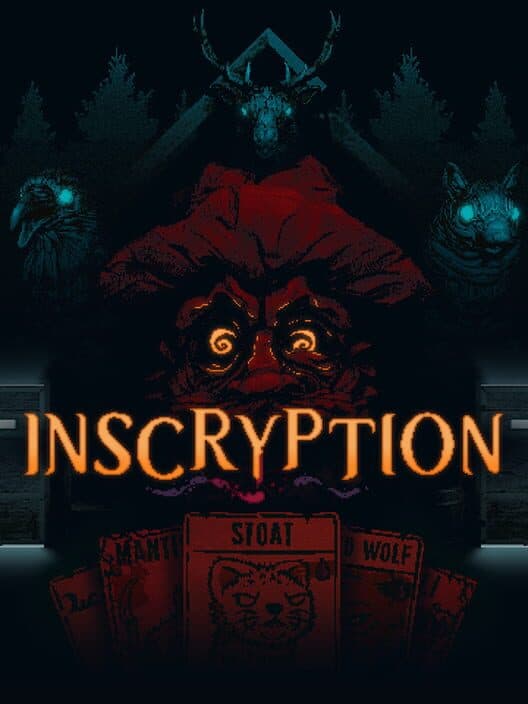
Twisted deckbuilder fused with escape-room puzzles
Psychological horror tone with steadily mounting unease
Compact 12–20 hour one-and-done mystery
Inscryption is absolutely worth it if you enjoy card games, puzzles, or weird horror stories and want something focused rather than endless. It asks you to think carefully, tolerate some early failure, and lean into a deliberately unsettling atmosphere. In return, it delivers a dense run of “aha” moments, from busted card combos to escape-room reveals and meta twists that reframe everything you’ve seen. If you’re into Slay the Spire–style deckbuilding, escape rooms, or experimental narrative games, it’s an easy full-price recommendation. The campaign is short but packed with ideas, so you rarely feel like your time is being wasted. If you’re only mildly curious about card mechanics or horror, it’s still an excellent pick on sale, especially as a memorable weekend or vacation project. You should probably skip it if you dislike card combat entirely, hate feeling confused, or are sensitive to occult imagery and unsettling psychological themes.

Devolver Digital • 2021 • Xbox Series X|S, PlayStation 4, Linux, PC (Microsoft Windows), PlayStation 5, Mac, Xbox One, Nintendo Switch
Twisted deckbuilder fused with escape-room puzzles
Psychological horror tone with steadily mounting unease
Compact 12–20 hour one-and-done mystery
Inscryption is absolutely worth it if you enjoy card games, puzzles, or weird horror stories and want something focused rather than endless. It asks you to think carefully, tolerate some early failure, and lean into a deliberately unsettling atmosphere. In return, it delivers a dense run of “aha” moments, from busted card combos to escape-room reveals and meta twists that reframe everything you’ve seen. If you’re into Slay the Spire–style deckbuilding, escape rooms, or experimental narrative games, it’s an easy full-price recommendation. The campaign is short but packed with ideas, so you rarely feel like your time is being wasted. If you’re only mildly curious about card mechanics or horror, it’s still an excellent pick on sale, especially as a memorable weekend or vacation project. You should probably skip it if you dislike card combat entirely, hate feeling confused, or are sensitive to occult imagery and unsettling psychological themes.
When you have an hour or so in the evening, enough mental energy to solve puzzles, and want something spooky and clever rather than action-heavy.
When you’re between big, open-world games and craving a tightly focused experience you can finish in a couple of weeks without committing to a live-service grind.
When a friend has already played it and you want a short, talk-worthy game you can both dissect, compare choices, and trade theories about afterward.
A focused 12–20 hour campaign built around 60–90 minute sessions, highly pause-friendly but a bit disorienting after long breaks.
Inscryption fits well as a short, self-contained project in a busy life. Most people will see credits in roughly 12–20 hours, spread over a couple of weeks of evening play. The structure supports natural sessions: one or two full run attempts, maybe a boss, plus some time poking at puzzles around the cabin or in later areas. Victories, deaths, and puzzle breakthroughs all make solid stopping points. Technically, it’s very kind to your schedule. You can pause anytime, quit almost anywhere, and trust the autosave to preserve your state. There’s no online requirement and no need to coordinate with other players. The main friction is coming back after a long gap: the evolving rules, half-solved puzzles, and minimal journaling can make a multi-week break feel like you’ve forgotten the thread. If you can play it in reasonably steady bursts, though, it offers a satisfying arc without demanding a month-long commitment.
Thoughtful, turn-based planning and puzzle solving that asks for real concentration, but lets you pause freely and even step away mid-run without losing progress.
Inscryption asks for a good chunk of your mental bandwidth whenever you sit down to play. During card battles you’re constantly weighing damage numbers, sacrificing units, planning turns ahead, and considering whether to gamble on a risky move. Between fights, you shift into puzzle mode, scanning the cabin for clues, trying combinations, and connecting small details you’ve noticed across runs. None of this happens under a timer, but it does rely on you paying attention and being willing to think things through. On the plus side, the game is extremely forgiving about interruptions. You can pause instantly, read a text, or deal with real-life stuff with no penalty. When you come back after a short break, the board state and puzzle setups are exactly as you left them. So the time you do spend with the game is mentally “on,” but you control the pace and can safely take breathers whenever life intrudes.
Easy to pick up basics, with noticeable rewards for learning card synergies and boss patterns over a single playthrough.
Getting started with Inscryption isn’t too hard. Within an hour or two you’ll understand how lanes, costs, and basic sacrifices work, and you’ll be able to survive early encounters. Where it deepens is in card combos, event odds, and knowing which upgrades are worth permanent sacrifices. As the story shifts into later acts, rules and resources change, asking you to adapt what you’ve learned instead of just coasting. Skill growth actually matters. Recognizing busted synergies, reading bosses, and planning your map route can turn a game that initially feels unfair into something you reliably bend in your favor. That said, the main campaign is finite and doesn’t demand endless optimization or competitive grinding. For a busy adult, you get a satisfying curve: enough room to feel yourself getting sharper each night, without the sense that you must dedicate weeks just to “play properly.”
Creepy, medium-stress tension built from atmosphere and risk of losing runs, not from fast action or brutal punishment.
Inscryption sits in a middle zone for emotional intensity. It’s definitely not a cozy card game: the dim cabin, distorted faces, ritual sacrifices, and occasional jumpy moments create a steady feeling of unease. Every run carries the threat that one bad decision could end a promising deck, which adds a low, constant hum of pressure. Boss fights and late-game revelations can spike your heart rate, especially if horror imagery gets under your skin. At the same time, there’s no real-time chase or twitchy combat pushing you into panic. You choose the pace of each move, and failure usually means trying again with more knowledge rather than losing dozens of hours. That makes the tension feel purposeful instead of punishing. It’s best approached when you have the bandwidth for something eerie and engaging, but not when you’re already overwhelmed or looking for pure comfort play before bed.
Games with a similar rhythm and feel, even if they look different