tinyBuild • 2026 • PC (Microsoft Windows), PlayStation 5, Nintendo Switch, Xbox Series X|S, Nintendo Switch 2
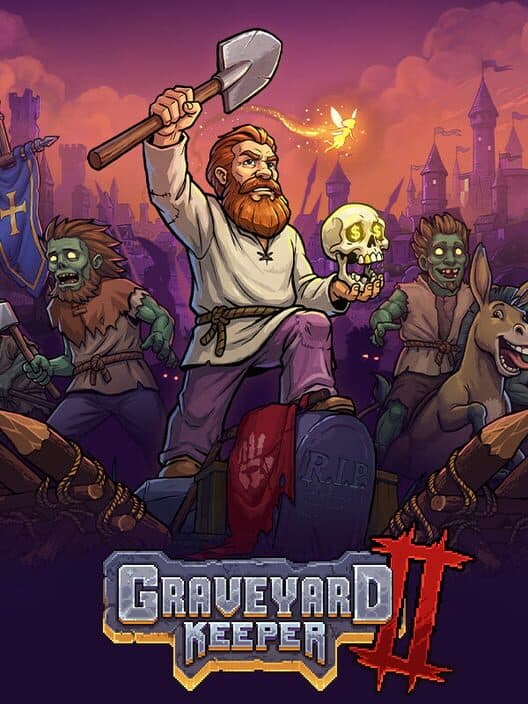
Based on current pre-release information, Graveyard Keeper II looks worth watching if you loved the first game's darkly funny loop of turning grim chores into profit, but it is not a blind full-price recommendation yet. What makes it exciting is the bigger scale: restoring the town, expanding zombie automation, and mixing management with fortifications and small battles. If that all lands, the game should deliver steady, visible progress and the great feeling of a messy system slowly starting to hum. What it asks from you is patience with supply chains, tolerance for some friction, and enough attention to keep several goals in your head at once. Buy at full price if early reviews say the sequel keeps the weird charm while fixing clarity and rough edges from the first game. Wait for a sale if you like management sims but bounced off the original game's grind or opacity. Skip it if corpse humor turns you off or if you want a smooth, low-thinking game to play half-distracted.

tinyBuild • 2026 • PC (Microsoft Windows), PlayStation 5, Nintendo Switch, Xbox Series X|S, Nintendo Switch 2
Based on current pre-release information, Graveyard Keeper II looks worth watching if you loved the first game's darkly funny loop of turning grim chores into profit, but it is not a blind full-price recommendation yet. What makes it exciting is the bigger scale: restoring the town, expanding zombie automation, and mixing management with fortifications and small battles. If that all lands, the game should deliver steady, visible progress and the great feeling of a messy system slowly starting to hum. What it asks from you is patience with supply chains, tolerance for some friction, and enough attention to keep several goals in your head at once. Buy at full price if early reviews say the sequel keeps the weird charm while fixing clarity and rough edges from the first game. Wait for a sale if you like management sims but bounced off the original game's grind or opacity. Skip it if corpse humor turns you off or if you want a smooth, low-thinking game to play half-distracted.
Most early reactions are pure excitement that a sequel exists at all, with many longtime players saying it instantly landed on their wishlist.
A sizable group is excited but cautious, pointing to past worries about missing promised features, rough edges, localization problems, and added paid content.
Some players already miss the original's odd little audio style, while others are fine with fuller voices. It is a real split, but not the main debate.
The most praised reveal details are finally reaching the town, expanding automation, and using undead helpers for much bigger projects.
Early reactions split on the bigger battle and defense focus. For some it makes the sequel feel fresh; for others it risks losing the slower management charm.
Most early reactions are pure excitement that a sequel exists at all, with many longtime players saying it instantly landed on their wishlist.
The most praised reveal details are finally reaching the town, expanding automation, and using undead helpers for much bigger projects.
A sizable group is excited but cautious, pointing to past worries about missing promised features, rough edges, localization problems, and added paid content.
Some players already miss the original's odd little audio style, while others are fine with fuller voices. It is a real split, but not the main debate.
Early reactions split on the bigger battle and defense focus. For some it makes the sequel feel fresh; for others it risks losing the slower management charm.
It seems built for steady weeknight progress, but returning after a break may mean rebuilding your mental map of tasks, bottlenecks, and worker setups.
This looks friendly to regular 60 to 90 minute sessions, but not perfectly frictionless. The good part is that a session almost writes itself: check your production, unblock a resource chain, finish a repair step, do a bit of combat or defense, then set tomorrow's work before logging off. Because it is a solo game with full pause, real-life interruptions should be easy to handle in the moment. The bigger question is quitting cleanly. If the sequel keeps a rest-based save system like the original, you may still need a short wrap-up window before turning it off. Over the long run, it also seems like a game that remembers everything you forgot. After a week away, you may need ten minutes just to figure out why the sawmill is idle, which building was halfway restored, and what your zombies were supposed to be doing. For players who like slow, visible progress, that trade works. The likely reward is a strong sense of ownership over a town and graveyard that steadily become more efficient across many weeks.
You mostly think in chains and priorities, not split-second dodges, but the game still wants real attention whenever defense or combat breaks into your management routine.
This looks like a game that asks you to keep several moving parts in your head at once. A normal session will probably start with checking what your zombies produced, spotting the bottleneck, and deciding whether tonight is about graveyard upkeep, town repairs, or setting up the next automation step. That means your attention goes to planning, sequencing, and remembering short chains of cause and effect. The good news is that most of that thinking seems slow and deliberate, not twitchy. You likely will not need fighting-game reflexes, but you will need to actually look at the screen and keep your priorities straight. Short combat or defense stretches raise the attention cost for a while, then the game drops you back into calmer management. In return for that steady brain-on play, it should deliver one of the best feelings management games offer: logging off with a cleaner workflow, fewer bottlenecks, and a little undead machine that runs better than it did an hour ago.
Learning the systems looks slower than surviving the threats; once recipes, labor, and upgrades click, the game should feel much easier and more rewarding.
The hard part here is likely understanding the machine, not surviving it. A new player will probably spend the first several sessions learning how ingredients, tools, zombie jobs, town upgrades, and combat prep connect. That can be awkward if the sequel keeps some of the first game's habit of explaining the big goal clearly while leaving the smaller steps a little muddy. Once those links click, though, the game should become much smoother. It seems built around gradual competence: first you do everything by hand, then you stop making basic mistakes, then automation starts carrying the routine work for you. The combat side may add some extra skill checks, but right now it still looks secondary to planning and preparation. That means patience and curiosity matter more than sharp reflexes. In return, the payoff should be strong. Few things feel better in this kind of game than realizing you finally understand the whole loop and watching a messy setup turn into a reliable little business.
Expect mild pressure from bottlenecks and task piles, with short battle spikes, all wrapped in dark humor that keeps things more playful than scary.
This seems more busy than brutal. The world is full of zombies, corpses, and dark jokes, but the tone reads playful and slightly gross instead of frightening. Most pressure will likely come from task piles, missing materials, and the itch to fix one more production problem before bed. Combat and town-defense moments should create short spikes, especially if a bad setup leaves you scrambling, but the overall mood still looks much calmer than an action game or survival horror game. Failure also appears measured in lost time, wasted resources, or a clumsy setup that needs reworking, not in constant punishment. That makes the stress feel more like 'my workshop is a mess' than 'I might lose everything.' If you enjoy management games that keep your mind occupied without pushing your heart rate too high, this should land well. If even gentle backlog pressure makes games feel like chores, the same systems that create satisfaction could also make it feel draining on a tired weeknight.
Games with a similar rhythm and feel, even if they look different