hello@slated.gg
Powered by IGDB•Privacy•Terms

© 2026 Slated.gg

Slated.gg
Popular GamesAboutDiscover Games
Clive Barker's Hellraiser: Revival

Saber Interactive • 2026 • Xbox Series X|S, PC (Microsoft Windows), PlayStation 5
Quick sessionsSatisfying to completePerfect for a weekend
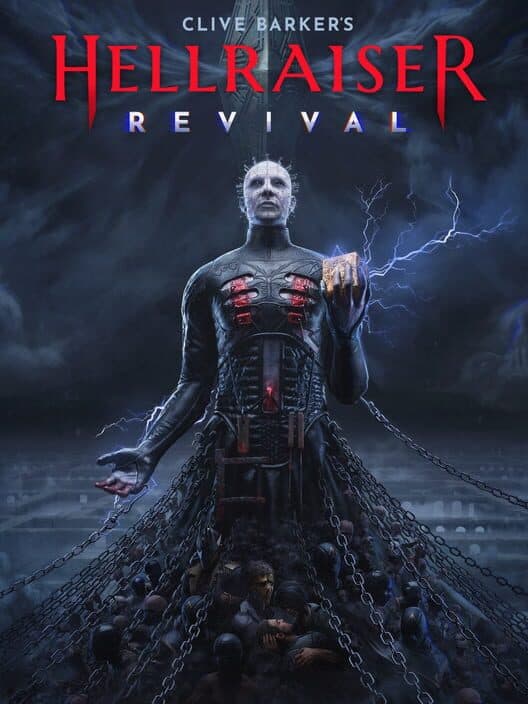
Clive Barker's Hellraiser: Revival cover art

Clive Barker's Hellraiser: Revival

Saber Interactive • 2026 • Xbox Series X|S, PC (Microsoft Windows), PlayStation 5

Quick sessionsSatisfying to completePerfect for a weekend

Is Clive Barker's Hellraiser: Revival Worth It?

Based on current preview evidence, it is probably worth it for people who want a short, nasty horror campaign and already know they can handle Hellraiser's sexualized body horror. What makes it stand out is commitment. It does not seem interested in softening the source material, and the puzzle box appears to do more than just deal damage. You're getting room-to-room searching, locked-door problem solving, limited ammo, and bursts of ugly first-person combat rather than an endless time sink. The trade-off is that it also looks draining. It will likely ask for real attention, a strong stomach, and some patience if the final combat still feels a little rough. At full price, it makes the most sense for Hellraiser fans and people who love Resident Evil-style tension with a weirder flavor. If you're curious but not fully sold, waiting for launch impressions or a small sale is the safer move. Skip it if you want something relaxing, family-room safe, or light on explicit gore and nudity.

What is Clive Barker's Hellraiser: Revival like?

Opinions of Clive Barker's Hellraiser: Revival

What Players Love

  • Players Love

    Uncensored tone feels true to the source material

    The biggest draw is how fully it embraces the franchise's erotic body horror and cruelty instead of sanding off the parts fans expect from Hellraiser.

  • Players Love

    Puzzle box powers freshen the survival horror formula

    Preview coverage likes the mix of locked doors, resource pressure, and environmental puzzles, with the box serving as both a weapon and a problem-solving tool.

Common Concerns

  • Common Concern

    Strong concept, but combat polish still worries people

    Several hands-on previews say the ideas are exciting, yet shooting and close-range encounters can feel a bit rough, raising questions about final moment-to-moment feel.

Divisive Aspects

  • Divisive

    Explicit sexualized gore is either essential or too much

    For some, the extreme nudity, body horror, and sexualized imagery are the whole point. For others, that same material is an instant deal-breaker.

What does Clive Barker's Hellraiser: Revival demand from you?

Time

LOW

Time

This seems built for several intense evenings rather than a months-long habit, with strong pause and save support but enough puzzle context that breaks still cost something.

LOW

This appears to respect real-life schedules better than its tone suggests. The full experience looks like one finite campaign, probably around several evenings to a couple of weeks for someone playing in 60 to 90 minute chunks, and not a new forever hobby. Previews point to clear short-term goals like finding a key item, opening a route, or finishing one puzzle chain, so most sessions should end with a natural stopping point. The technical side helps too. Current store metadata lists full pause and manual saving, which means sudden interruptions are far less painful than in many horror games. The trade-off is that breaks still have a small mental cost. If you return after a week, you may need to remember which locked door mattered, what shape your resources were in, and where the story last left you. That is manageable, just not instant. There's also no social pressure here. No squad, no raid calendar, no ranking ladder. It asks for a few concentrated nights and gives back a complete, self-contained horror story. For anyone who wants something intense but finite, that is a very friendly deal.

Tips
  • End after gate clears
  • Use manual saves often
  • Recap goals on return

Focus

HIGH

Focus

You can't half-watch this one. Most play is spent searching grim rooms, reading clues, and swapping between careful puzzle solving and sudden first-person fights.

HIGH

Based on current previews, this looks like a game that asks for steady, deliberate attention and rewards you with the feeling of surviving by noticing one more detail than the room wanted you to. Typical play seems built around scanning shelves and corners for ammo, health, notes, and key items while also reading the space itself for locked routes, symbols, traps, and enemy angles. Then it snaps into first-person combat or a chase, where quick reactions matter but usually in service of a bigger plan: do you spend bullets, risk melee, use the box, or back away and save resources? That mix keeps your brain engaged without turning every minute into hard-core optimization. You are mostly solving local problems under pressure, not studying giant systems. The catch is that it probably won't tolerate distraction well. Audio cues, ambushes, and spatial tricks look important, so this is the sort of horror game you play with headphones on, not while half-watching a show.

Tips
  • Play with headphones
  • Check side rooms first
  • Save ammo for panic

Challenge

MODERATE

Challenge

Getting comfortable should take a few sessions, not weeks. The basic tools look familiar, but the puzzle box and spatial tricks add extra homework.

MODERATE

Getting comfortable here should take a few sessions, not a few dozen hours, and what it asks from you is less about elite skill than learning the game's rhythm. The gunplay, room searching, key hunting, and supply management all look familiar enough that most players will understand the basics quickly, especially if they've touched a Resident Evil-style horror game before. The wrinkle is the Genesis Configuration. It seems to work as both weapon and world tool, so you will need to learn when it solves a fight, when it opens a path, and when a weird room is really a puzzle waiting to be manipulated. That adds a layer of experimentation without turning the whole experience into a wiki project. Mistakes should matter because wasted ammo, missed clues, or bad positioning can snowball. Still, full pause, manual saves, and likely difficulty options keep the process from feeling cruel. The value exchange is clear: it asks you to pay attention and adapt, then gives you that satisfying horror-game feeling of becoming calmer and smarter inside a place that first seemed overwhelming.

Tips
  • Test box powers safely
  • Save before experiments
  • Read notes, don't skim

Intensity

HIGH

Intensity

This looks more oppressive than empowering. The scares come from explicit body horror, tight resources, and chase pressure, not impossible mechanics.

HIGH

This looks like a full-pressure horror ride that asks for a strong stomach and pays you back with dread, disgust, and the thrill of getting through something ugly. The biggest strain is not that every fight is brutally technical. It is that the whole package seems designed to keep your nerves awake: explicit body horror, sexualized imagery, oppressive sound, tight corridors, and the constant sense that ammo or health may run short at the worst time. That means even basic encounters could feel heavier than their raw mechanics suggest. Current previews also hint at chase beats and theatrical set pieces, which usually spike your pulse even higher. The good news is that this probably isn't pure misery. Searching rooms and solving box-driven space puzzles should create short breathers between the worst moments, and the game appears more interested in sustained dread than nonstop punishment. If you love horror that feels intense and memorable, that pressure is the reward. If you want a calm weeknight unwind, this looks like the wrong kind of exhausting.

Tips
  • Stop after big set pieces
  • Lower difficulty, keep tension
  • Avoid late-night sessions

Frequently Asked Questions

It looks medium-hard overall, not brutal in a Souls-like way. The challenge seems to come from being squeezed, not from ultra-precise inputs. Low ammo, breakable melee tools, narrow spaces, surprise attacks, and puzzle pressure can make ordinary encounters feel rough even when the controls are simple. If you've played Resident Evil 2 Remake or Resident Evil 7 on normal, that seems like the right comparison point. Hard to learn? Not especially. The basics appear familiar within a few sessions: search thoroughly, conserve supplies, read the room, and learn when the box is better than a bullet. Hard to master? More so, because good play probably means cleaner resource use, faster puzzle reads, and knowing when to run instead of fight. Current store info also lists difficulty options, which should help if you mainly want the story and atmosphere. People who dislike being hunted, managing scarce supplies, or solving puzzles under pressure may find it harder than the raw mechanics suggest. Action veterans looking for constant power fantasy may find it only moderately tough.

Current estimates put the campaign around 8 to 18 hours, with most players likely landing near 10 to 12 for a straightforward story run. If you search side rooms, read everything, and double back for missed supplies, expect something more like 14 to 18 hours. That makes it a several-evenings game, not a month-long commitment. The structure also seems friendly to 60 to 90 minute sessions. Previews point to clear local goals like opening a route, solving one puzzle chain, or finishing a set piece, so you'll usually have a sensible place to stop. Store metadata currently lists full pause and manual saving, which matters a lot here. You should be able to step away when life happens without losing a big chunk of progress. The main time caveat is mental, not mechanical. If you return after a week, you may need a few minutes to remember your current puzzle state, supplies, and immediate objective. Replay time looks modest after credits.

Yes, this looks very stressful, and that is a big part of the appeal. The pressure seems to come from three places at once: explicit body horror that can be genuinely unsettling, low-resource survival play that makes every mistake sting, and tense first-person encounters where sound and space matter. That's the good version of stress if you like horror and want to feel trapped, grossed out, and on edge in a controlled way. It's the bad version if you play to relax after work or if sexualized gore is a hard line for you. Importantly, this does not look stressful because it's impossibly hard. The strain is more emotional and sensory than purely mechanical. Quiet searching and puzzle solving should give you brief breathers, but the tone never seems cozy or light. Best time to play is when you want a full-commitment horror session and can give it real attention. Probably a poor choice right before bed, while multitasking, or in a shared room where the content could make everyone uncomfortable.

Yes, it appears fully built for solo play, and that also makes it easier to fit into a busy week than many larger horror games. There are no group schedules, no co-op obligations, and no competitive grind pulling you back. You can play one room, one puzzle chain, or one big set piece and stop. Current store info also suggests full pause and manual saving, which is excellent if you get interrupted by work, kids, or normal life. The catch is that casual only applies to the schedule, not the mood. Structurally, this looks very flexible. Emotionally, it still seems intense, graphic, and draining. You can absolutely play it in short chunks, but it probably won't become your background comfort game. Coming back after several days should be manageable because the campaign seems clear and finite, though you may need a minute to remember which key item or puzzle thread you were following. So yes: easy to play alone, easy to pause, realistic to finish in pieces.

No. Everything currently points to a simple premium release with no pay-to-win layer at all. The announced editions are a standard purchase and a more expensive deluxe option, and the extra items mentioned so far are cosmetic things like weapon skins rather than stat boosts, faster progression, or locked power. That matters even more because this is a single-player game. There is no ranked ladder, no PvP economy, and no sign of booster packs, energy timers, or resource purchases designed to smooth out friction. If launch plans hold, what you buy is the campaign itself, not an ongoing monetization system. The only caveat is the usual modern one: publishers can always add post-launch extras later. But based on the current store pages and official messaging, there is no reason to think spending more money will make you stronger or let you skip core pressure. If you're deciding whether the deluxe edition is necessary, the answer looks like no unless you simply want the cosmetics or collector appeal.

You Might Also Like

Games with a similar rhythm and feel, even if they look different
Explore more→
Silent Hill f game cover art
Satisfying to completeQuick sessions

Silent Hill f

Time
MODERATE
Focus
MODERATE
Challenge
MODERATE
Intensity
HIGH
Resident Evil Requiem game cover art
Satisfying to completePerfect for a weekend

Resident Evil Requiem

Time
MODERATE
Focus
HIGH
Challenge
MODERATE
Intensity
HIGH
The Last of Us Part II game cover art
Satisfying to completeQuick sessions

The Last of Us Part II

Time
MODERATE
Focus
MODERATE
Challenge
MODERATE
Intensity
HIGH
Senua game cover art
Satisfying to completePerfect for a weekend

Senua

Time
LOW
Focus
MODERATE
Challenge
MODERATE
Intensity
MODERATE
Resident Evil 4 game cover art
Satisfying to completePerfect for a weekend

Resident Evil 4

Time
LOW
Focus
HIGH
Challenge
MODERATE
Intensity
HIGH
A Plague Tale: Requiem game cover art
Satisfying to completePerfect for a weekend

A Plague Tale: Requiem

Time
MODERATE
Focus
MODERATE
Challenge
MODERATE
Intensity
MODERATE
← Back to Home