hello@slated.gg
Powered by IGDB•Privacy•Terms

© 2026 Slated.gg

Slated.gg
Popular GamesAboutDiscover Games
Metal Gear Solid Delta: Snake Eater

Konami • 2025 • Xbox Series X|S, PC (Microsoft Windows), PlayStation 5
Quick sessionsSatisfying to completePerfect for a weekend
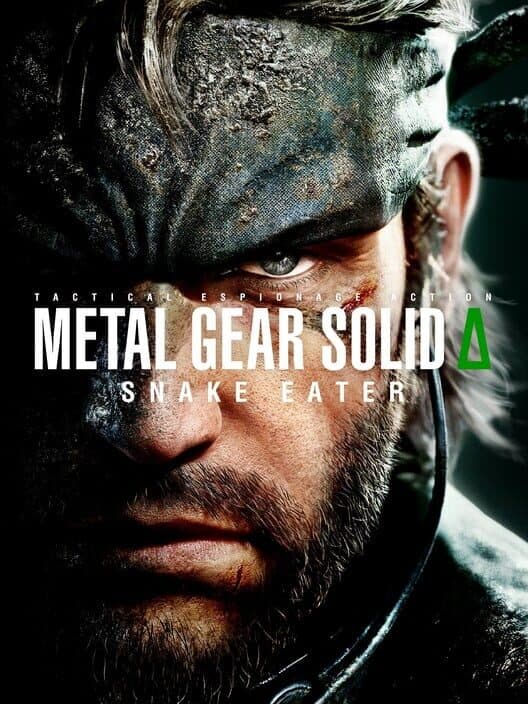
Metal Gear Solid Delta: Snake Eater cover art

Metal Gear Solid Delta: Snake Eater

Konami • 2025 • Xbox Series X|S, PC (Microsoft Windows), PlayStation 5

Quick sessionsSatisfying to completePerfect for a weekend

Is Metal Gear Solid Delta: Snake Eater Worth It?

Metal Gear Solid Delta: Snake Eater is worth it if you want a compact, memorable stealth campaign rather than a forever game. Its big draw is concentration: tense jungle sneaking, weird and excellent boss fights, and a story that still lands hard at the end. The remake also makes the old classic easier to live with through better controls, clearer guidance, and much kinder saving. What it asks from you is patience. This is still an old-school design under the fresh graphics. Menus, camouflage management, codec calls, and long cutscenes are part of the texture, not side noise. If you want instant action and zero friction, it may feel dated. Buy at full price if you love stealth, enjoy strong story presentation, or have always wanted a good entry point to this series. Wait for a sale if performance worries you or you only like stealth in small doses. Skip it if long cinematics, mature war imagery, or deliberate older pacing make you bounce. For the right player, the campaign is short enough to finish and strong enough to remember.

What is Metal Gear Solid Delta: Snake Eater like?

Opinions of Metal Gear Solid Delta: Snake Eater

What Players Love

  • Players Love

    Faithful remake modernizes presentation without losing the original's identity

    Players love that it keeps the original story, tone, and mission design while upgrading visuals, controls, and convenience. For many, this is the best way to play it today.

  • Players Love

    Stealth, boss fights, and the ending still hit hard

    The stalking through jungle spaces, eccentric boss encounters, and strong finale remain the main reasons players remember it. Even critics of the remake often praise those pillars.

Common Concerns

  • Common Concern

    Performance issues affected a noticeable slice of players

    A meaningful share of players reported frame drops, crashes, or uneven optimization, especially on PC. These issues are not universal, but they appear often in negative feedback.

  • Common Concern

    Movement and cover can feel sticky in tight spaces

    Several players say movement, cover snaps, or aiming can feel sticky at the wrong moment, most noticeably in tighter interiors or when precision stealth is needed.

Divisive Aspects

  • Divisive

    Its faithfulness leaves old pacing and quirks very visible

    Some players admire how little was changed, while others think that same restraint leaves old exposition-heavy pacing, menu friction, and legacy quirks too visible.

What does Metal Gear Solid Delta: Snake Eater demand from you?

Time

MODERATE

Time

A full run fits nicely into one or two weeks, with solid saves and clear stop points, though long cutscenes can occasionally stretch a quick session.

MODERATE

A full run is very manageable. Most players will see the main story and feel satisfied in about 10 to 16 hours, with a thorough first run landing closer to 15 to 20. That makes it a strong one- or two-week game instead of a long-term lifestyle commitment. It also fits real schedules better than its reputation suggests. The campaign is split into compact areas, manual saving is easy, autosaves are regular, and offline play lets you pause during gameplay and cutscenes. The main caveat is pacing: if you push into a big story stretch or a boss, a quick session can run longer than planned. What you give is a few focused evenings and a little respect for its stop points. What the game gives back is a complete experience with a real ending, not a checklist that never stops expanding. It is best played solo, and the optional competitive mode is easy to ignore if all you want is the campaign.

Tips
  • Best stopping points are area transitions, major cutscene breaks, and post-boss moments when autosaves or codec saves keep your return painless.
  • If you're only here for the story, skip FOX HUNT entirely; the campaign stands alone and doesn't need multiplayer homework.
  • After a week away, spend two minutes checking equipped camouflage, suppressors, and healing items before moving; it smooths out re-entry.

Focus

HIGH

Focus

Most of the work is slow observation and smart setup, not flashy shooting, with sudden bursts where missed movement or bad aim can wreck a careful plan.

HIGH

Snake Eater asks for patient, active attention rather than nonstop speed. Most of a session is spent watching patrols, reading sightlines, choosing camouflage, and deciding whether to sneak by, tranquilize, interrogate, or improvise. That means your eyes need to stay on the screen in active areas. Looking away for even a few seconds can turn a clean infiltration into a loud recovery scramble. The good news is that the pace breathes. Long cutscenes, codec calls, and area transitions break up the concentration and keep it from feeling like a two-hour test. What you give is careful observation and a willingness to think before acting. What the game gives back is that great stealth feeling where a messy jungle or base starts to make sense in your head. When a plan works, it feels earned. When it breaks, the game often turns into a fast, memorable escape instead of instant failure. This is best when you want to sink in, not half-watch TV beside it.

Tips
  • Before entering a new area, switch camouflage and watch one full patrol loop; that single minute saves a lot of messy recovery.
  • Use the compass and objective reminders after breaks so you spend less time relearning where to go and more time executing.
  • When stealth collapses, retreat into grass or cover first; trying to win the panic shootout usually costs more resources.

Challenge

MODERATE

Challenge

The hardest part is learning its old-school habits like camouflage, cures, stamina, and odd boss rules, then the game opens into fair, satisfying stealth.

MODERATE

The harder part is learning the game's habits, not surviving each firefight. Early on, Snake Eater can feel fussy in a way many modern games are not. You need to grasp camouflage, stamina, injuries, suppressors, inventory flow, and the fact that some bosses have very specific tricks. That may sound like a lot, but the remake smooths the landing. Better controls, clearer guidance, and generous saving mean you can learn by doing instead of being punished into a restart loop. On normal, most players will settle in after a few evenings. What you give is patience with old-school design and a little curiosity. What the game gives back is a satisfying sense of growth. Areas that first felt intimidating start to read clearly. Bosses that seemed strange begin to look solvable. You are not grinding stats or memorizing a hundred layered systems. You are learning one memorable set of rules and getting better at using them. If you enjoy the feeling of slowly understanding a game's logic, this delivers that in a compact, manageable arc.

Tips
  • Treat the first few hours as onboarding; experiment with CQC, interrogation, and the cure screen instead of chasing a perfect stealth run.
  • Don't ignore food, stamina, and injuries; the survival layer looks old-fashioned, but it meaningfully affects aim, recovery, and boss consistency.
  • Use modern controls for a first playthrough unless nostalgia is the goal; they remove friction without flattening the core stealth challenge.

Intensity

MODERATE

Intensity

Expect steady stealth pressure with sharp spikes during boss fights and story climaxes, but not nonstop panic or punishing loss that ruins a whole night.

MODERATE

This is tense more often than it is overwhelming. The usual mood is low, steady pressure: you're crawling through grass, hearing enemy chatter, and knowing one bad move can trigger an alert. That suspense gives the whole campaign an edge, but it usually stays on the right side of enjoyable. The game is not trying to flatten you with constant panic, and modern saving means failure rarely wipes out a huge chunk of time. When the pressure spikes, it is usually for a reason: a boss fight, a tight indoor stretch, or a late story scene that carries real emotional weight. What you give is a willingness to sit inside suspense and occasional old-school spikes. What the game gives back is strong payoff. Boss encounters feel dramatic, escapes feel messy in a fun way, and the ending lands harder because the whole journey has been building toward it. This is a great fit when you want immersive tension. It is a worse fit when you want pure comfort or something sleepy before bed.

Tips
  • Manual save before bosses or unfamiliar indoor sections so a rough attempt stays a lesson, not a long repeat trek.
  • Play this when you can give it full screen attention; even brief distractions during infiltration can snowball into alerts fast.
  • If a section starts feeling spiky, lean on the tranquilizer and slower approach rather than forcing action-hero gunfights.

Frequently Asked Questions

Metal Gear Solid Delta: Snake Eater is medium overall: more awkward to learn than brutally hard to beat. On normal, it is clearly tougher than a simple cinematic action game like Uncharted 4, but nowhere near the wall-hitting punishment of Sekiro. Most of the challenge comes from stealth mistakes stacking up, older survival systems, and a handful of boss fights with unusual rules. If you rush or try to play it like a straight shooter, it feels much harder. The good news is that modern controls and better saves soften a lot of the rough edges. You can recover from bad sections without losing huge chunks of progress, and the game is usually clear about where you need to go next. The hard part is settling into its rhythm: camouflage, injuries, stamina, suppressed weapons, and when to hide instead of fight. If you enjoy Hitman-style patience and learning spaces, you'll probably find it fair after the first few hours. If you hate stealth, menu friction, or older boss design, it may feel harder than the score suggests.

Most players finish Metal Gear Solid Delta: Snake Eater in about 10 to 16 hours. A more thorough first run with extra pickups, more retries, and slower stealth play usually lands around 15 to 20 hours. If you chase every collectible, higher-difficulty run, and optional extras, you can push past 20 to 25 hours, but that is bonus value rather than the main point. The good news is that it fits weeknight play better than its reputation suggests. The campaign is broken into compact areas, the codec lets you save manually, and autosaves show up at useful transitions. In practice, 60 to 90 minutes is a comfortable session length. You can often stop after a boss, an area change, or a big story scene. If you only want the campaign, this is a clean one- or two-week game at a normal pace. The optional online mode exists, but you can ignore it completely and still feel like you got the full experience.

Metal Gear Solid Delta: Snake Eater is moderately stressful in a good way. Most of the tension comes from stealth pressure, not pure panic. You're often one bad movement away from being spotted, so even quiet stretches feel charged. That said, it is not a horror game, and it usually gives you enough tools to recover when plans fall apart. The result is suspense more than dread. The sharper spikes come from boss fights, tight indoor areas, and a few emotionally heavy story moments. Those sections can absolutely raise your pulse, especially if you are low on supplies or still learning how the older systems work. Modern saves help a lot, because failure usually costs minutes instead of a whole evening. This is a great pick when you want immersive, focused tension and a strong payoff. It is a weaker fit when you want something cozy, sleepy, or easy to half-pay attention to. Best time to play: when you can give it your full attention and enjoy the pressure instead of fighting it.

Yes. Metal Gear Solid Delta: Snake Eater is not just soloable, it is primarily built as a solo experience. The campaign is the reason most people buy it: a focused stealth story with boss fights, cutscenes, survival systems, and a real ending. Nothing important about that main experience depends on other players, voice chat, or online coordination. There is an optional competitive mode called FOX HUNT, but it feels separate from the core package. You can ignore it entirely and lose nothing essential. In fact, for most players, the game works best as a solo adventure because the pacing, atmosphere, and storytelling are all tuned around being alone in the jungle, making careful decisions at your own speed. If you mostly play by yourself and want something complete rather than endless, this is a strong fit. The only caveat is that solo does not mean low-effort. You still need to pay attention, learn some older systems, and be okay with long story scenes. But you do not need friends or online play to enjoy it fully.

No. Metal Gear Solid Delta: Snake Eater is not pay-to-win in any meaningful way. It is a premium one-time purchase, and the main campaign does not sell power, shortcuts, weapons, stat boosts, or progression skips. What you get through normal play is the intended experience, and nothing in the story mode is built around nudging you toward extra spending. There is optional paid cosmetic content, but that does not change how strong you are or let you bypass the stealth systems. The current FOX HUNT multiplayer mode also does not sell paid advantages or special currencies that give other players a gameplay edge. That matters, because it means even the competitive side mode is not structured around wallet pressure. So if your main concern is whether the game respects the purchase and then lets you play, the answer is yes. Buy it or do not buy it on the strength of the campaign, performance, and your taste for stealth. Money is not a lever the game pulls to make itself easier.

You Might Also Like

Games with a similar rhythm and feel, even if they look different

Explore more→
God of War Laufey game cover art
Quick sessionsSatisfying to complete

God of War Laufey

Time
MODERATE
Focus
HIGH
Challenge
MODERATE
Intensity
MODERATE
Death Stranding 2: On the Beach game cover art
Story-driven

Death Stranding 2: On the Beach

Time
HIGH
Focus
MODERATE
Challenge
MODERATE
Intensity
MODERATE
BioShock: The Collection game cover art
Quick sessionsSatisfying to complete

BioShock: The Collection

Time
MODERATE
Focus
MODERATE
Challenge
LOW
Intensity
MODERATE
Ghost of Yotei game cover art

Ghost of Yotei

Time
MODERATE
Focus
MODERATE
Challenge
MODERATE
Intensity
MODERATE
Resident Evil Requiem game cover art
Quick sessionsSatisfying to complete

Resident Evil Requiem

Time
LOW
Focus
HIGH
Challenge
MODERATE
Intensity
HIGH
007 First Light game cover art
Satisfying to completePerfect for a weekend

007 First Light

Time
MODERATE
Focus
MODERATE
Challenge
MODERATE
Intensity
MODERATE
← Back to Home