hello@slated.gg
Powered by IGDB•Privacy•Terms

© 2026 Slated.gg

Slated.gg
Popular GamesAboutDiscover Games
Stranger Than Heaven

Sega • 2026 • PC (Microsoft Windows), PlayStation 5, Xbox Series X|S

Story-driven
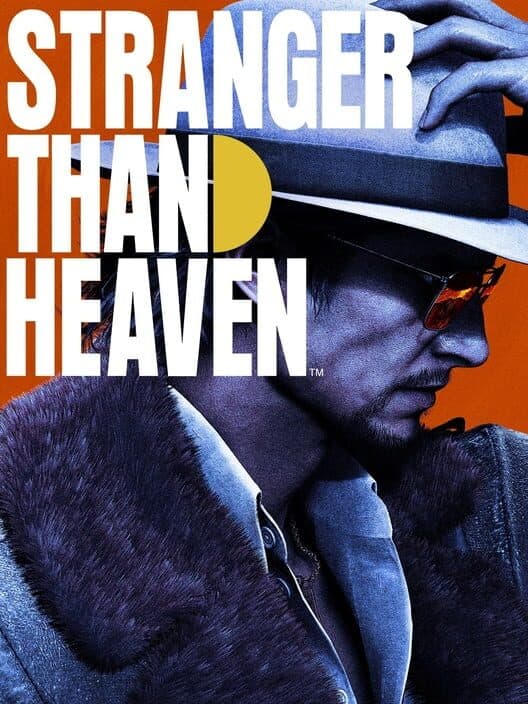
Stranger Than Heaven cover art

Stranger Than Heaven

Sega • 2026 • PC (Microsoft Windows), PlayStation 5, Xbox Series X|S

Story-driven

Is Stranger Than Heaven Worth It?

Based on previews, Stranger Than Heaven looks promising, but it is not a safe blind buy yet. If you love story-heavy action games that try something weird, the pitch is excellent: a fifty-year crime saga across five cities, brutal street fights, and a music-showbiz layer that could make it feel unlike anything else this year. It seems especially appealing if you enjoy sharp tonal swings and want more than combat plus cutscenes. The main thing it asks from you is patience. The combat uses an unusual left-side and right-side system, and that could feel exciting or awkward until you learn it. It also looks like a fairly long single-player journey rather than a quick weekend game. Buy at full price if you are already sold on the premise and comfortable gambling on an unproven combat system. Wait for reviews or a sale if you want confirmation that the fighting and pacing really land. Skip it if grim violence, mature content, or experimental controls sound like work rather than fun.

What is Stranger Than Heaven like?

Opinions of Stranger Than Heaven

What Players Love

  • Players Love

    Five cities and eras make it feel unusually ambitious

    Early discussion keeps circling back to the scale: a decades-spanning journey across five Japanese cities gives it a bigger, bolder identity than most crime stories.

  • Players Love

    The music and showbiz side already feels distinctive

    Players are talking about the theme song, performers, and stage-building systems as major hooks, suggesting the entertainment angle feels like a real pillar.

Divisive Aspects

  • Divisive

    The new limb-by-limb combat looks fresh but unproven

    Many people love how strange and deliberate the fighting appears, but just as many say they need hands-on time before trusting it to carry the game.

  • Divisive

    Celebrity-heavy presentation splits players on the game's tone

    Some fans enjoy the bold cast mix and cross-cultural energy, while others worry it may clash with the grounded crime-drama mood they expect.

What does Stranger Than Heaven demand from you?

Time

MODERATE

Time

It appears built for steady weekly play: a long solo story you can chunk out, but one that may feel awkward after long breaks.

MODERATE

This looks like a sizable solo campaign rather than an endless hobby game. The main ask is steady attention over weeks, not nightly obligation with other people. A busy player will probably make meaningful progress in 60 to 90 minute chunks because the game seems built around chapters, substories, fights, and show-prep beats that create decent stopping points. Full pause should help a lot. The catch is that stopping cleanly may not always mean saving exactly when you want, since current information points more toward checkpoints than true save-anywhere freedom. The other time cost is memory. A fifty-year story across multiple cities, plus performer recruiting and music setup, sounds like the kind of game that asks for a short refresher after a week away. In return, the long arc should make each session feel like part of something bigger than a disconnected mission list. Because it is single-player, there is no pressure to coordinate schedules or keep up with a live community. The likely sweet spot is consistent weekly play. You can take your time, but it may feel best if you do not let too many long breaks pile up.

Tips

  • Aim for 60 to 90 minute sessions, which should be long enough for a substory, a mission beat, or a show-prep milestone.
  • Quit after chapter beats or completed side stories when possible, since checkpoint-based saving may not respect every random stopping moment.
  • After a long break, spend five minutes in menus and the map before moving, especially if you forgot performers, gear, or current leads.

Focus

MODERATE

Focus

This is not background play. Fights want eyes-on reactions, and the city plus showbiz layers keep asking you to switch gears and remember context.

MODERATE

Stranger Than Heaven looks like a game of gear shifts. In one stretch you are walking dense streets, listening for rumors, choosing whether to chase side content, and remembering where the story last left off. In the next, you are in a rough fight that seems to ask for real attention to enemy tells, timing, and the unusual left-side and right-side control scheme. That means it probably will not be great background play, especially once combat starts. The ask here is staying mentally present and comfortable changing modes often. In return, you get a session that feels varied instead of repetitive. The likely upside is that combat, exploration, story scenes, and show planning each scratch a different itch without making you boot up a different game. The likely downside is that short breaks may not fully reset your brain, because the game seems to expect you to remember people, places, and side systems across a long story. Based on current footage, this looks more demanding than a simple brawler, but not like a spreadsheet-heavy strategy game.

Tips

  • Start sessions by checking the current objective and nearby side markers so you do not waste your first ten minutes remembering where to go.
  • Treat early fights in each session as warm-ups while you rebuild the left-side and right-side combat rhythm.
  • Do one main story beat before diving into minigames, so the plot stays clear even if the city distractions pull you around.

Challenge

MODERATE

Challenge

The challenge looks more about learning a strange combat language and settling into its rhythm than surviving a brutally punishing gauntlet.

MODERATE

The learning curve looks real, but it does not currently look cruel. The biggest hurdle appears to be the fighting itself. Instead of leaning on familiar action-game muscle memory, this one asks you to control Makoto's left and right sides more deliberately, read enemies carefully, and time counters, blocks, and charged hits with intention. On top of that, the showbiz systems add more things to learn than a standard crime story game. The ask is patience during the first several hours, especially if the combat feels awkward before it clicks. In return, you may get a much more personal sense of improvement than you would from a simpler brawler. This seems less about perfect execution and more about getting comfortable with an unusual rhythm. It also appears fairly likely that the game will cushion mistakes with checkpoints and mainstream progression rather than brutal punishment. Based on what is public, most players who can handle a normal-difficulty action adventure should be able to learn it. The bigger question is whether they enjoy the learning process enough to stick with it.

Tips

  • Spend time learning defense and counter timing first; flashy offense likely matters less than surviving the unusual control scheme.
  • Stick with a small set of favorite weapons or actions early instead of sampling everything before the basics click.
  • Give the music and performer systems a fair shot, since understanding them seems part of getting the full point of the game.

Intensity

MODERATE

Intensity

Pressure seems to arrive in bursts: ugly street fights and grim drama, then calmer wandering and show prep before the next surge hits.

MODERATE

Previews suggest the pressure comes in waves, not a constant scream. The violent street fights, wartime backdrop, and crime-drama stakes should create regular bursts of stress, and the game's tone looks much harsher than the average open-city adventure. At the same time, it does not seem built to keep your heart rate pinned the way survival horror or a brutal competitive game can. Walking city streets, chasing side activities, collecting sounds, and setting up shows should give you breathing room between ugly confrontations. So the ask is emotional flexibility: you need to be okay with the game bouncing from grim violence to calmer planning, then back again. In return, that contrast may be exactly what makes the story land. The hard moments should feel heavier because the game gives you quieter spaces to absorb them. If you like crime stories with sharp tonal swings, that could be a big strength. If you want a pure comfort game after a long day, the violence and heavier themes may feel draining even if the actual difficulty stays in mainstream action territory.

Tips

  • If the grim tone is wearing on you, break up story fights with side activities or show-prep tasks instead of pushing straight through.
  • Play when you want something active, not sleepy, because the combat looks sharpest when you are alert and reading enemy tells.
  • Use pauses after big cutscenes or fights; this seems like a game that benefits from short breathers.

Frequently Asked Questions

You Might Also Like

Games with a similar rhythm and feel, even if they look different
Explore more→
Clair Obscur: Expedition 33 game cover art
Story-driven

Clair Obscur: Expedition 33

Time
MODERATE
Focus
HIGH
Challenge
MODERATE
Intensity
HIGH
Control Resonant game cover art
Story-driven

Control Resonant

Time
MODERATE
Focus
HIGH
Challenge
MODERATE
Intensity
MODERATE
Metal Gear Solid Delta: Snake Eater game cover art
Story-driven

Metal Gear Solid Delta: Snake Eater

Time
MODERATE
Focus
HIGH
Challenge
MODERATE
Intensity
MODERATE
Stellar Blade game cover art

Stellar Blade

Time
MODERATE
Focus
HIGH
Challenge
MODERATE
Intensity
MODERATE
Control game cover art

Control

Time
MODERATE
Focus
MODERATE
Challenge
MODERATE
Intensity
MODERATE
No Rest for the Wicked game cover art

No Rest for the Wicked

Time
MODERATE
Focus
HIGH
Challenge
MODERATE
Intensity
HIGH
← Back to Home