Kepler Interactive • 2025 • Xbox Series X|S, PC (Microsoft Windows), PlayStation 5
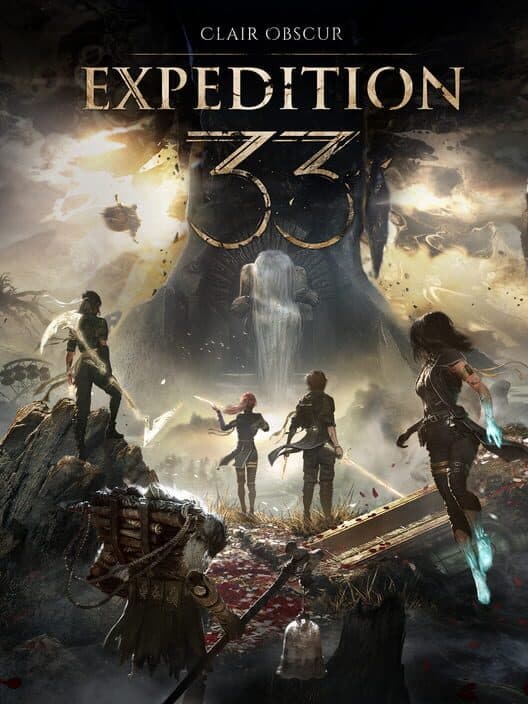
Clair Obscur: Expedition 33
Kepler Interactive • 2025 • Xbox Series X|S, PC (Microsoft Windows), PlayStation 5
Is Clair Obscur: Expedition 33 Worth It?
Yes, if you want a stylish, emotional campaign and do not mind active defense inside turn-based combat. Clair Obscur: Expedition 33 feels special because it pairs a sad, beautiful world and excellent music with battles that keep you involved instead of just picking commands. For a single-player story game, that mix gives it a strong identity. What it asks from you is real attention. Normal difficulty can punish sloppy builds, and boss fights often hinge on reading attacks and timing dodges or parries. It also is not the smoothest fit if you want to play half-distracted or save absolutely anywhere. Buy at full price if that combat hook sounds exciting and you are in the mood for a 30 to 40 hour journey with strong presentation. Wait for a sale if you like story-heavy adventures but feel unsure about reflex-based defense or you are sensitive to PC performance hiccups. Skip it if you want a fully relaxed, traditional turn-based pace.
What is Clair Obscur: Expedition 33 like?
Opinions of Clair Obscur: Expedition 33
What Players Love
- Players Love
Art direction and music make the world unforgettable
Players keep pointing to the painterly Belle Époque look, striking enemy designs, and sweeping score as the reason the journey feels fresh instead of familiar.
- Players Love
Hybrid battles keep every turn lively and hands-on
Planning skills is only half the appeal. Timed attacks, aimed shots, and defensive inputs make even routine fights feel active for players who click with the system.
- Players Love
Story and cast carry real emotional weight throughout
Players often praise the sad central premise, strong performances, and companion scenes that make the campaign feel sincere rather than like filler between battles.
Common Concerns
- Common Concern
Some areas are harder to read and navigate
A recurring complaint is that certain spaces are not as readable as players want, leading to small detours, missed branches, or uncertainty about the best route forward.
- Common Concern
PC performance can be uneven on some hardware
Launch-window PC feedback mentions stutter, frame pacing issues, and inconsistent smoothness on certain setups. It is not universal, but it comes up often enough to note.
Divisive Aspects
- Divisive
Parry-heavy defense divides players wanting a slower turn-based pace
For some, the timing-based defense is the game's best twist. Others wanted a calmer rhythm and found boss fights too tied to parries, dodges, and memorized strings.
What does Clair Obscur: Expedition 33 demand from you?
Time
MODERATETime
This is a chunky but manageable one-run journey, easiest to enjoy in hour-long sessions with pauses mid-play and saves tied more to flags than anywhere freedom.
Focus
HIGHFocus
Quiet exploration and menus ease you in, then battles flip the switch and ask for full attention, smart turn planning, and close reading of enemy tells.
Challenge
MODERATEChallenge
It takes a handful of evenings to really click because you are learning party-building logic and timing-based defense at the same time.
Intensity
HIGHIntensity
The mood is sad and serious more than frantic, but boss fights can still spike your pulse and make victories feel genuinely earned.
Frequently Asked Questions
You Might Also Like
Games with a similar rhythm and feel, even if they look different