vedinad • 2025 • Linux, PC (Microsoft Windows)
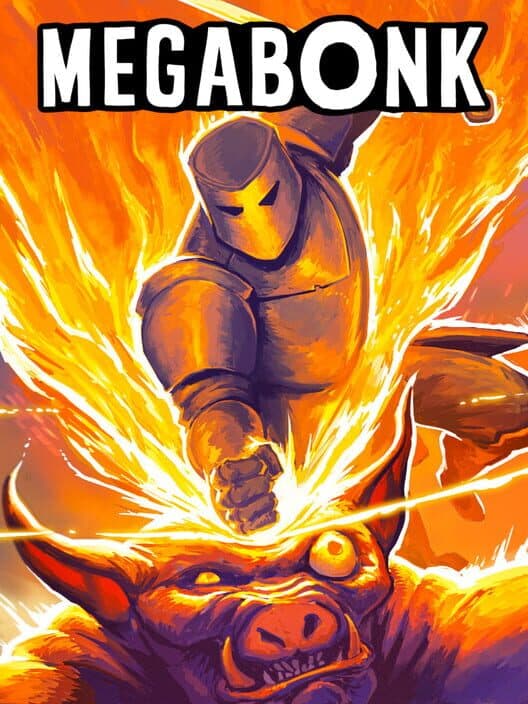
Fast survivor-like with ridiculous power spikes
20–45 minute runs, strong short-session fit
Heavy buildcraft, quests, and unlock chasing
At its low price and strong word of mouth, Megabonk is an easy recommendation if you enjoy fast, build-focused action games. It asks for solid attention, a tolerance for screen chaos, and a willingness to lose runs while you’re still learning. In return you get a very satisfying loop: short survival runs where your character explodes from weakling to walking disaster, followed by permanent unlocks that open new characters, weapons, and tomes. If you liked Vampire Survivors, Hades, or other roguelites that mix moment-to-moment dodging with long-term progression, this scratches the same itch in a 3D format. Busy adults will appreciate that most value shows up in the first 20–40 hours, with plenty of room to keep going if they fall in love with it. Buy at full price if you’re even mildly curious about survivor-style roguelikes. Wait for a sale only if you dislike repetition or find heavy visual noise exhausting. Skip it if you mainly want story-driven games.

vedinad • 2025 • Linux, PC (Microsoft Windows)
Fast survivor-like with ridiculous power spikes
20–45 minute runs, strong short-session fit
Heavy buildcraft, quests, and unlock chasing
At its low price and strong word of mouth, Megabonk is an easy recommendation if you enjoy fast, build-focused action games. It asks for solid attention, a tolerance for screen chaos, and a willingness to lose runs while you’re still learning. In return you get a very satisfying loop: short survival runs where your character explodes from weakling to walking disaster, followed by permanent unlocks that open new characters, weapons, and tomes. If you liked Vampire Survivors, Hades, or other roguelites that mix moment-to-moment dodging with long-term progression, this scratches the same itch in a 3D format. Busy adults will appreciate that most value shows up in the first 20–40 hours, with plenty of room to keep going if they fall in love with it. Buy at full price if you’re even mildly curious about survivor-style roguelikes. Wait for a sale only if you dislike repetition or find heavy visual noise exhausting. Skip it if you mainly want story-driven games.
When you have about an hour after work and want something intense but contained, running one or two tiers, grabbing a few unlocks, and then cleanly stopping for the night.
On a weekend evening when you feel sharp and energetic, chasing a first Tier 3 clear or personal-best score while experimenting with wilder builds and higher difficulty skulls.
When you only have 30–40 minutes but still want progress, running a quick Tier 1 or 2 attempt to advance a couple of quests and earn some Silver.
Run-based structure built for 20–45 minute chunks, with permanent unlocks that make even short evenings feel like meaningful progress toward stronger future builds.
Megabonk is built around defined runs, which makes it easier to fit into a real-world schedule. A single Tier 1 attempt might be over in 15–25 minutes, while a more ambitious Tier 2 or 3 run can push toward 40–45 minutes if you’re doing well. That means a typical 60–90 minute evening holds one or two full arcs plus time to spend your currency and scan quests. You can’t save mid-run, so it’s better suited to blocks of focused time than quick five-minute breaks, but you can pause instantly if a child wakes up or your phone rings. Progress between runs is automatic: characters, weapons, tomes, and shop upgrades all stay unlocked, so even if you take a couple of weeks off you can jump back in with a warm-up run and feel caught up. There’s no campaign, no raids to schedule, and no seasonal pressure, just a long list of goals you can chip away at whenever you have a free evening.
Fast survival runs that keep your eyes glued to the screen with constant dodging, pickups, and upgrade choices every few seconds.
On the focus side, Megabonk sits in that “hands and brain both busy” space. During a run you’re always steering through crowds, watching for hazard circles, checking health, and deciding where to farm experience next. Every level ding pauses the chaos just long enough to read three upgrade cards and pick the one that best fits your plan. Controls are simple—move, jump, slide—so you’re not juggling complex button combos, but the combination of dodging and frequent small choices keeps you engaged almost every second. Early in a run there’s a little breathing room to relax and hoover up gems, yet by the midgame you really can’t look away from the screen without risking a death. This isn’t a game to play while watching a show or answering messages. In exchange for that focus, you get a strong feeling of flow: decisions come quickly, your build snaps into place, and those last frantic minutes feel incredibly absorbing.
Easy to grasp in a session or two, but rewards long-term learning of builds, routes, and risk-taking with visibly stronger, higher-tier clears.
Getting comfortable with Megabonk doesn’t take long, but getting good can keep you busy for weeks. The basics click quickly: keep moving, avoid damage, grab experience, and pick one of three upgrades. Within a few evenings you’ll understand how runs are structured and how bosses behave, and you’ll likely be clearing the lowest tier reliably. The deeper layer is in build crafting and risk management. Learning which tomes and items combo well, when to raise difficulty, and how to route shrines efficiently turns weak attempts into unstoppable runs. You’ll feel a clear difference as you improve: enemies that once swarmed you melt, bosses fall faster, and higher tiers become realistic goals. The nice part for a busy adult is that you don’t need fighting-game-style muscle memory; most progress comes from pattern recognition and smarter choices. If you enjoy gradually cracking a system and watching your knowledge turn into bigger wins, Megabonk really pays you back.
Action that swings from breezy monster mowing to sweaty, bullet-filled swarms, where losing a long run stings but never erases overall progress.
Megabonk’s tension ramps up inside each run rather than hitting you all at once. The first few minutes are light and almost goofy as you bonk slow monsters and vacuum up experience. As the timer climbs and you raise difficulty skulls, the screen starts to fill and mistakes matter more. Losing a run means losing that particular build and 20–40 minutes of effort, but you still walk away with currency and quest progress, so the sting is real without being brutal. Visually it can get loud: particle effects, flashing hits, and dense bullet patterns create a genuine adrenaline rush in the last waves or during the final boss. If you push higher tiers or chase scores, expect sweaty palms and some “I can’t blink” moments. Stick to lower tiers and moderate difficulty and the stress leans more exciting than punishing. Overall it’s more intense than a typical action-adventure, but much softer than true hardcore roguelikes or competitive shooters.
Games with a similar rhythm and feel, even if they look different