Ball x Pit

Devolver Digital2025Xbox Series X|S, Nintendo Switch 2, PC (Microsoft Windows), PlayStation 5, Mac, Nintendo Switch
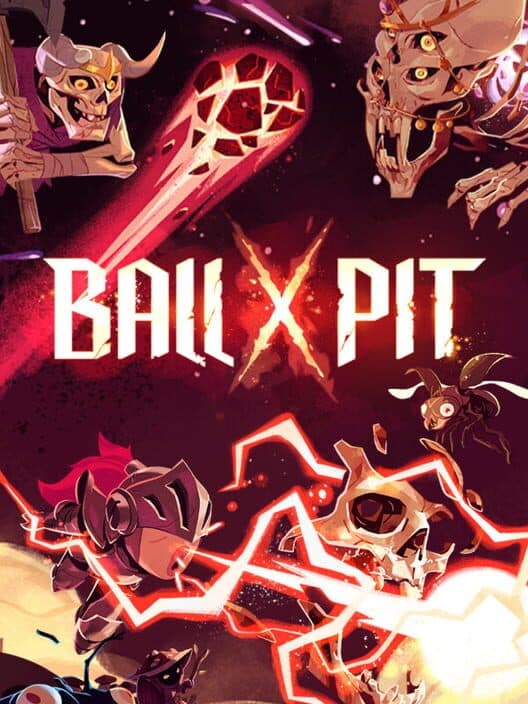
Breakout-style roguelite with city-building hub

Short 15–20 minute runs, easy stop points

Low-stress, high-reward progression frenzy

Is Ball x Pit Worth It?

Ball x Pit is absolutely worth it if you enjoy roguelites, arcade classics like Breakout, or base-building games that shower you with upgrades. It asks for moderate focus and 30–90 minute sessions, but it pays that back with a constant sense of progress. Every run spits out new resources, every visit to town unlocks something, and watching New Ballbylon grow from ruins into a dense little machine feels great. The game is especially strong in its first 20–30 hours, when new balls, evolutions, heroes, and buildings arrive rapidly. After that, the loop leans more on repetition and higher difficulties, which will appeal mainly to people who love squeezing extra mastery out of their favorite systems. If you’re looking for a deep story, co-op adventures, or sprawling open worlds, this won’t scratch those itches. Buy at full price if you like fast-paced unlock-driven games and short, contained runs. If you’re on the fence about roguelites, it’s a great pick on a sale. Skip it if you dislike repetition or purely solo experiences.

When is Ball x Pit at its best?

When you have 45–90 minutes on a weeknight and want something engaging but not exhausting, letting you finish a couple of runs and clearly upgrade your town.

When you’re in the mood to tinker with builds and layouts, enjoying the satisfaction of turning a scrappy setup into a smooth, self-feeding engine over several evenings.

When life is busy and unpredictable, and you need a game you can pause freely, play entirely solo, and always leave at a natural stopping point without feeling guilty.

What is Ball x Pit like?

Ball x Pit respects a busy schedule. A typical session might include one or two 12–20 minute runs plus a few minutes of town upgrades, which slots neatly into an hour after work. You can pause freely during stages, so interruptions from kids, deliveries, or messages are easy to handle. The main limitation is that you can’t save mid-run, so it helps to have at least 15 uninterrupted minutes when you start a stage. In the longer view, most adults will feel “done” somewhere around 20–30 hours, after beating the main biomes and turning New Ballbylon into a bustling hub. Extra modes and higher difficulties are there if you fall in love with the loop, but they’re not required to feel satisfied. Coming back after a break is straightforward: spend a few minutes reviewing your town and favorite builds, then a warm‑up run gets you right back into rhythm. It’s very friendly to on‑again, off‑again play.

Tips

  • Plan sessions around one or two runs; don’t start a new stage if you know you’ll be called away soon.
  • When you finish a night, leave yourself a small “next upgrade” goal so it’s easy to remember what to do tomorrow.
  • If you’ve been away for a while, do a low-stakes run in an early biome to shake off rust before pushing progress.

Moment-to-moment play in Ball x Pit is easy on the hands and moderate on the brain. You mostly slide left and right along the bottom of the arena while your character auto-fires balls, focusing on angles, catching, and avoiding slow-moving hazards. On top of that, you’re picking from upgrade options every level, planning toward a few key fusions, and managing a town that steadily grows between runs. It’s enough to keep your mind occupied after a long day, but not so involved that you feel drained. You can’t totally zone out—you still need to watch the screen and make frequent small decisions—but the game forgives the occasional sloppy catch or sub‑optimal upgrade. Many players describe slipping into a pleasant flow where hands and eyes handle the run while the mind idly nudges builds and layouts. If you like feeling engaged without needing your absolute sharpest self, this lands in a very comfortable middle ground.

Tips

  • Treat early runs as practice to learn ball behavior instead of chasing perfection; you’ll think less once basic angles feel natural.
  • Between stages, pause a moment to decide your next town upgrade so you’re not juggling planning and action at the same time.
  • If you’re tired, lean into simple, reliable builds rather than complex fusion paths that require constant monitoring.

You’ll understand the basics of Ball x Pit quickly: slide, catch, dodge, pick upgrades, spend resources in town. Within a few hours, you’ll likely have a first boss clear and a sense of how the city loop works. The real depth comes from learning which balls fuse well, how to position yourself so catches feel automatic, and how to arrange New Ballbylon’s buildings for smooth income. Improvement feels rewarding rather than required. You don’t need encyclopedic knowledge of every evolution to finish the main biomes, but as you learn more, your runs become safer, faster, and more explosive. That sense of “wow, I used to struggle here” shows up clearly as you revisit early stages or dabble in tougher ladders. For someone with limited time, it strikes a nice balance: you can play casually and still succeed, or lean in a bit and genuinely feel your growing expertise reshape the experience.

Tips

  • Focus on mastering one or two favorite heroes and fusion paths first so you build confidence before experimenting widely.
  • Watch where balls tend to rebound and stand slightly ahead of them; over time, catching starts to feel almost automatic.
  • When a build works especially well, take a screenshot or quick note so you can recreate the core pieces later.

This isn’t a white-knuckle experience. Ball x Pit keeps things lively with thick waves of enemies, chunky visual effects, and the possibility of a run ending if blocks reach the bottom. But each attempt is short, and most failures still shower you with useful resources, so the emotional stakes stay pretty relaxed. You’ll feel a little rush when you nail a tough boss or pull off a crazy fusion combo, yet the game rarely makes your heart race or your palms sweat. Difficulty on the default path sits at a comfortable middle level: you’ll die, you’ll retry, and you’ll steadily push further as your city improves. The harsher modes are clearly marked for people who want to crank up the pressure. For a typical busy adult, sessions feel stimulating but not stressful—more like a satisfying arcade challenge than a brutal test of endurance. It’s a good fit if you want some excitement without feeling wrung out afterward.

Tips

  • Stick to normal stages if you’re winding down; save Fast+ or NG+ for nights when you actually want a challenge spike.
  • Quit after a good boss kill or strong run rather than pushing while tired; it keeps the experience feeling positive, not grindy.
  • If runs start to feel tense, try experimenting with safer, defensive upgrades instead of chasing the greediest damage options.

Frequently Asked Questions