Gearbox Publishing • 2020 • Google Stadia, Xbox Series X|S, PlayStation 4, PC (Microsoft Windows), PlayStation 5, Xbox One, Nintendo Switch
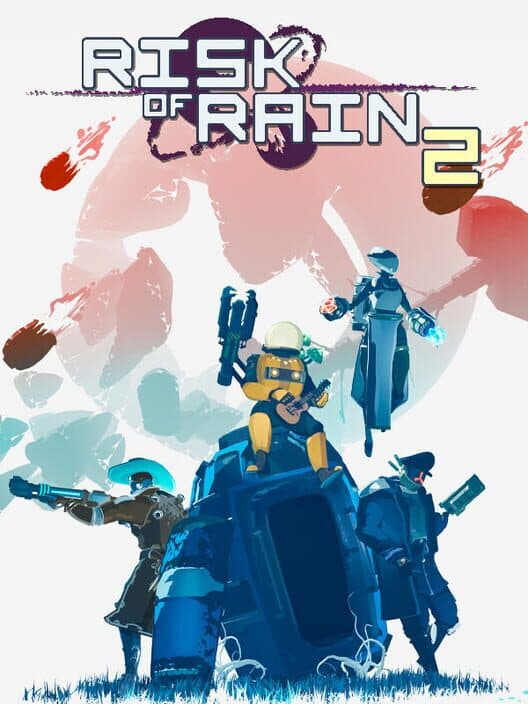
Risk of Rain 2
Gearbox Publishing • 2020 • Google Stadia, Xbox Series X|S, PlayStation 4, PC (Microsoft Windows), PlayStation 5, Xbox One, Nintendo Switch
Is Risk of Rain 2 Worth It?
Risk of Rain 2 is worth buying if you love repeatable action, big power spikes, and runs that create their own stories. At its best, it turns a shaky start into total screen-clearing madness through smart item luck, quick decisions, and a soundtrack that makes every stage feel bigger than it is. It is especially easy to recommend at full price if you enjoy roguelites, arcade shooters, or co-op nights with friends. The main catch is structure, not quality. This is not a story game, and it is not great for constant interruptions because you cannot save a run midway. The early hours can also feel rough because the game explains less than it should, and bad item luck can make some runs feel flat. If that sounds annoying, wait for a sale. If you want a calm, authored adventure you can chip away at in tiny bursts, skip it. But if you want a game that rewards practice and keeps surprising you with ridiculous builds, Risk of Rain 2 earns its reputation.
What is Risk of Rain 2 like?
Opinions of Risk of Rain 2
What Players Love
- Players Love
Item synergies create huge, memorable power spikes during runs
Players love how ordinary runs can suddenly explode into a power fantasy when the right items stack together, turning shaky survival into memorable screen-clearing momentum.
- Players Love
Co-op runs become hilarious chaos with the right group
Two to four player runs are often described as the funniest way to play, with shared panic, clutch revives, and late-game chaos making failures entertaining too.
- Players Love
Music and pacing make every run feel dramatic
The soundtrack and rising enemy pressure give runs a strong build-up, so even short sessions feel dramatic. That crescendo is a big reason repeat runs stay exciting.
Common Concerns
- Common Concern
Bad item luck can make runs feel uneven
Many players enjoy the randomness, but bad item drops or weak printer options can leave a run feeling underpowered and harder than it should.
- Common Concern
The game explains too little at first for newcomers
New players often say the basics are clear, but important details like item value, unlock conditions, and stronger pacing habits are barely explained in-game.
- Common Concern
Late runs get cluttered and harder to read
Later stages can become hard to read as effects, enemies, and projectiles pile up. Some players also report frame drops or bugs during the most crowded moments.
What does Risk of Rain 2 demand from you?
Time
LOWTime
Easy to return to after a break, but each good run wants a real block of time because you can pause solo, not save mid-run.
Focus
HIGHFocus
Most runs demand locked-in attention, fast movement, and quick threat reading, with just enough routing and item choices to keep your brain busy too.
Challenge
MODERATEChallenge
Basic shooting makes sense fast, but real success comes from learning pacing, item value, survivor strengths, and how to stay calm when runs turn messy.
Intensity
HIGHIntensity
It swings between controlled early tension and full late-run panic, where one great build can feel godlike until a boss or elite pack ends it.
Frequently Asked Questions
You Might Also Like
Games with a similar rhythm and feel, even if they look different