HypeTrain Digital • 2018 • PlayStation 4, PC (Microsoft Windows), PlayStation 5, Xbox One, Nintendo Switch
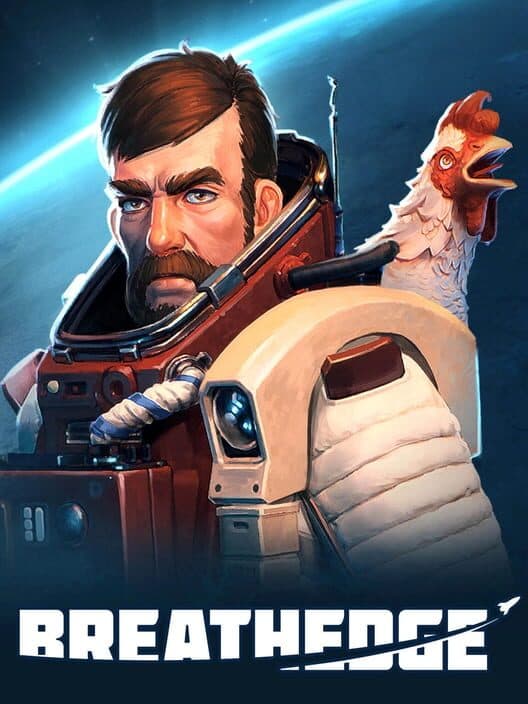
Breathedge is worth it if you like survival games with a clear end point, strong early exploration, and a goofy sense of humor. Its best stretch is the first half, when every oxygen-limited trip feels risky and every crafted tool opens a new pocket of wreckage. That loop delivers real satisfaction because upgrades are practical, not abstract. You build a drill, scanner, suit upgrade, or vehicle, and suddenly the map makes more sense. What it asks from you is patience with clutter, backtracking, and some rough edges. Movement can feel awkward, combat is weak, and the joke-heavy writing is very much a love-it-or-hate-it thing. Later chapters also lose some of the early wonder and can feel more scripted. Buy at full price if authored scavenging, survival pressure, and absurd comedy sound like a great match. Wait for a sale if you are unsure about the humor or have little tolerance for jank. Skip it if you want deep base building, polished combat, or a calm cozy space game.

HypeTrain Digital • 2018 • PlayStation 4, PC (Microsoft Windows), PlayStation 5, Xbox One, Nintendo Switch
Breathedge is worth it if you like survival games with a clear end point, strong early exploration, and a goofy sense of humor. Its best stretch is the first half, when every oxygen-limited trip feels risky and every crafted tool opens a new pocket of wreckage. That loop delivers real satisfaction because upgrades are practical, not abstract. You build a drill, scanner, suit upgrade, or vehicle, and suddenly the map makes more sense. What it asks from you is patience with clutter, backtracking, and some rough edges. Movement can feel awkward, combat is weak, and the joke-heavy writing is very much a love-it-or-hate-it thing. Later chapters also lose some of the early wonder and can feel more scripted. Buy at full price if authored scavenging, survival pressure, and absurd comedy sound like a great match. Wait for a sale if you are unsure about the humor or have little tolerance for jank. Skip it if you want deep base building, polished combat, or a calm cozy space game.
Players often praise the opening hours for making every oxygen-limited trip matter. New materials, safer routes, and quick crafting payoffs keep exploration exciting.
Many players say the back half becomes more linear, with extra backtracking and heavier scripting. The sense of wonder stays weaker once the early discovery phase fades.
The narrator and item jokes give the game a distinct personality, but response is split. Some players love the absurd tone, while others find it repetitive over long sessions.
A common highlight is how upgrades change what you can actually do. Better gear, mobility, and protection make new wreck zones feel earned instead of cosmetic.
Movement, combat, and collision quirks come up often in feedback. These issues rarely ruin the game, but they can turn routine survival problems into annoying setbacks.
Players often praise the opening hours for making every oxygen-limited trip matter. New materials, safer routes, and quick crafting payoffs keep exploration exciting.
A common highlight is how upgrades change what you can actually do. Better gear, mobility, and protection make new wreck zones feel earned instead of cosmetic.
Many players say the back half becomes more linear, with extra backtracking and heavier scripting. The sense of wonder stays weaker once the early discovery phase fades.
Movement, combat, and collision quirks come up often in feedback. These issues rarely ruin the game, but they can turn routine survival problems into annoying setbacks.
The narrator and item jokes give the game a distinct personality, but response is split. Some players love the absurd tone, while others find it repetitive over long sessions.
Plan on a few weeks, not a forever hobby. It pauses well, but autosaves and hazy return trips make it better in regular 60-90 minute chunks.
Breathedge fits best as a finite project you chip away at over a few weeks. Most people who click with it will feel satisfied after finishing the story once, usually somewhere around 15 to 25 hours. That makes it much easier to recommend than endless survival sandboxes if you want something with a clear finish line. Sessions also have a nice natural rhythm: prepare at shelter, make one or two meaningful salvage runs, come home, craft the next breakthrough, then stop. What it asks from you is a little routine. This is not the cleanest game for five-minute check-ins, because the best stopping points usually happen after returning to oxygen or finishing a craft milestone. The pause button helps a lot in real life, and being fully solo means there is never any pressure to coordinate with other people. The weaker point is saving and returning. Autosaves are convenient but not especially transparent, and after a week away you may spend ten minutes remembering what material, route, or hazard mattered next. Regular sessions make the experience much smoother.
Most of your brain goes into oxygen math, route planning, and 3D navigation. Base time is calmer, but open-space scavenging wants your eyes and memory.
Breathedge asks for steady practical attention, not elite reflexes. A typical session starts with simple questions that pile up fast: what material are you missing, what tool do you need, how much oxygen can you safely spend, and which wreck cluster is worth the trip? Once you leave shelter, you need to keep track of distance, hazards, inventory space, and landmarks in full 3D space. That means it is a poor fit for half-watching a show during active play. If your mind wanders outside, you will feel it. What you get back for that attention is a satisfying sense of purposeful scavenging. Trips feel like mini expeditions with clear stakes, and even small upgrades can make the whole map feel smarter and more readable. The good news is that the game breathes between tense moments. Crafting, sorting supplies, and reading the next objective create calmer pockets where you can think. So it is focused without being mentally exhausting. The main ask is not speed. It is remembering your plan and keeping the run tidy.
Easy basics hide a bumpy early learning phase. Once you understand the map, recipes, and hazard tools, the game becomes far more manageable.
Breathedge is medium difficulty to learn. The basic actions are simple within the first hour or two: grab scrap, craft gear, go farther, come back alive. The trick is that real comfort comes later. You need to build a mental map of the wreckage, learn which hazards block which routes, and figure out which upgrade actually solves your current bottleneck. The game explains the broad direction, but it does not always make the next practical step feel obvious. That means the early game can feel bumpier than it really is. Limited oxygen, weak tools, and unclear material needs make mistakes feel bigger at the start than they do later. Stick with it, though, and the curve gets friendlier as your suit, range, and movement improve. In return for that patience, the game delivers a strong feeling of growing competence. Areas that once felt dangerous become routine, and problems that seemed annoying start to look solvable. Just be ready for some friction that comes from rough polish, not pure design. The challenge is fair enough overall, but not always elegant.
The pressure comes from barely making it back alive, not brutal combat. It is tense in short bursts, funny enough to soften the edges, and rarely exhausting.
The emotional pull here is moderate survival pressure. Breathedge is at its best when you are pushing just a little too far from safety, watching oxygen tick down, and deciding whether one more detour is worth the risk. Those moments can absolutely create a quick pulse spike, especially early on when your range is short and hazards feel unfamiliar. Still, this is not a horror game, not a relentless punishment machine, and not something that usually leaves you wrung out after a night of play. What it asks from you is comfort with short bursts of anxiety and the occasional annoying death. What it gives back is the relief of returning alive with the exact part you needed, then turning that win into a meaningful upgrade. The comic tone matters a lot here. The absurd narrator and silly item text keep the mood from getting too heavy, even when the survival systems are squeezing you. The biggest downside is that rough controls can make some failures feel irritating instead of dramatic. So the pressure is real, but usually manageable.
Games with a similar rhythm and feel, even if they look different