Ground Shatter Ltd. • 2026 • PC (Microsoft Windows)
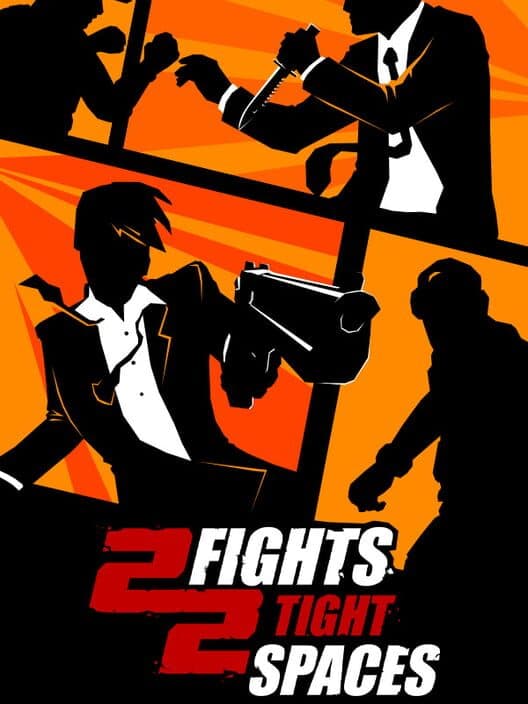
2 Fights in 2 Tight Spaces
Ground Shatter Ltd. • 2026 • PC (Microsoft Windows)
Is 2 Fights in 2 Tight Spaces Worth It?
Yes, for the right player, 2 Fights in 2 Tight Spaces is worth it now if you want smart tactical combat in a compact package and can live with Early Access roughness. Its best trick is turning close-quarters action into short, stylish thinking puzzles. Disarms, weapon pickups, shoves, and environmental hits make great turns feel like tiny action scenes you solved with your brain. That is the value here. What it asks from you is concentration, patience, and tolerance for an unfinished build. The current version is content-light, co-op has reported issues, and some objectives can feel harsher than they should. Buy at full price if that core loop already sounds ideal and you enjoy replaying runs for cleaner lines and new deck paths. Wait for a sale or a few more updates if you want more content, better stability, or a more polished sense of balance. Skip it for now if you mainly want story, exploration, or a low-effort way to unwind after work.
What is 2 Fights in 2 Tight Spaces like?
Opinions of 2 Fights in 2 Tight Spaces
What Players Love
- Players Love
Room-by-room fights feel clever and satisfying to solve
Players consistently praise the small-room tactics, where card order, positioning, and enemy manipulation combine to make each win feel earned and smart.
- Players Love
Weapons and hazards give the sequel fresh tactical variety
Disarms, weapon pickups, and environmental hits are widely praised for adding new options without losing the crisp room-solving feel of the first game.
Common Concerns
- Common Concern
Early Access bugs and co-op issues still break the flow
Reviews and player comments repeatedly mention crashes, camera problems, desync, and other co-op roughness that can interrupt an otherwise strong tactical flow.
- Common Concern
Current build can feel too thin on content
Even positive impressions note that the current Early Access version is compact. Many players can see most of what is there quickly and want more fights, enemies, and variety.
Divisive Aspects
- Divisive
Some objectives and rewards feel too luck dependent
A notable group of players says some room goals and reward timings feel mismatched to early tools, making success feel more draw-dependent than fully planned.
What does 2 Fights in 2 Tight Spaces demand from you?
Time
LOWTime
Right now it is a compact Early Access game with strong stopping points, easy solo scheduling, and enough replay value to fill several good evenings.
Focus
MODERATEFocus
Short fights keep sessions neat, but each turn wants real concentration as you read the room, sequence cards, and spot pushes, counters, and hazard plays.
Challenge
MODERATEChallenge
You can grasp the basics quickly, but real confidence takes several runs because positioning, card timing, weapon tricks, and enemy rules stack up fast.
Intensity
MODERATEIntensity
The pressure comes from knowing one bad sequence can sink a run, but the turn-based pace keeps it thoughtful instead of sweaty or panic-driven.
Frequently Asked Questions
You Might Also Like
Games with a similar rhythm and feel, even if they look different