Subset Games • 2018 • Google Stadia, Linux, Android, PC (Microsoft Windows), iOS, Mac, Nintendo Switch
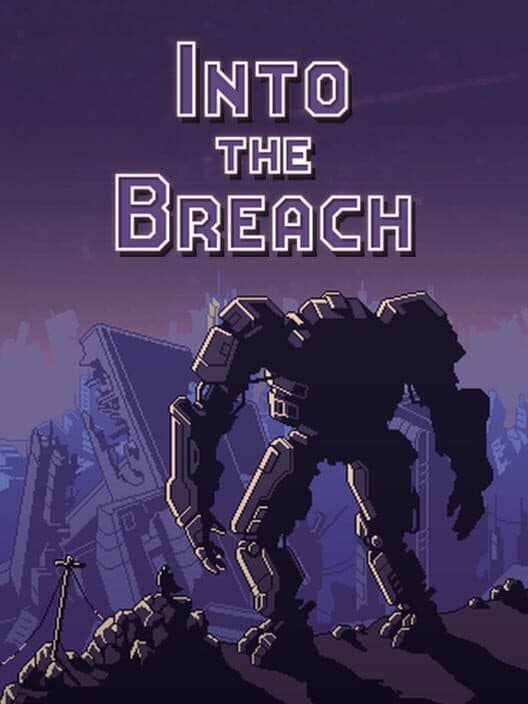
Turn-based mech tactics on tiny grids
Short missions, long-term strategic depth
Great for 30–90 minute sessions
Into the Breach is absolutely worth it if you enjoy brainy, puzzle-like strategy and don’t have endless free time. For the price of a midrange indie, you get a system that turns every battle into a five-turn crisis where clever thinking matters far more than fast reactions. The game asks for real concentration and a bit of tolerance for losing runs, but in exchange it delivers constant “aha” moments as you discover unlikely ways to save a city at the last second. Sessions are short, progress is meaningful even when you fail, and there’s zero grind or microtransactions wasting your time. If you mainly play for cinematic stories or free-roaming exploration, this will probably feel too small and abstract, so you might want to wait for a sale. But for tactics fans or anyone who loved chess puzzles as a kid, it’s an easy full-price recommendation and one of the best commuter or weeknight games around.

Subset Games • 2018 • Google Stadia, Linux, Android, PC (Microsoft Windows), iOS, Mac, Nintendo Switch
Turn-based mech tactics on tiny grids
Short missions, long-term strategic depth
Great for 30–90 minute sessions
Into the Breach is absolutely worth it if you enjoy brainy, puzzle-like strategy and don’t have endless free time. For the price of a midrange indie, you get a system that turns every battle into a five-turn crisis where clever thinking matters far more than fast reactions. The game asks for real concentration and a bit of tolerance for losing runs, but in exchange it delivers constant “aha” moments as you discover unlikely ways to save a city at the last second. Sessions are short, progress is meaningful even when you fail, and there’s zero grind or microtransactions wasting your time. If you mainly play for cinematic stories or free-roaming exploration, this will probably feel too small and abstract, so you might want to wait for a sale. But for tactics fans or anyone who loved chess puzzles as a kid, it’s an easy full-price recommendation and one of the best commuter or weeknight games around.
Ideal for a weeknight when you have 45–90 minutes and enough brainpower left to tackle a few dense tactical puzzles without committing to a long story or raid.
Great when you want a single-player game that respects interruptions, so you can pause for kids, pets, or messages and resume the exact board state later.
Perfect on travel days or commutes with a laptop, Switch, or tablet, since missions are short, offline-friendly, and don’t require remembering complex story threads.
Built for flexible runs and short missions, it fits neatly into busy schedules while still offering enough depth to stay interesting for weeks.
Into the Breach is unusually kind to a crowded schedule. A full campaign run can take as little as 30–60 minutes once you know what you’re doing, and the game autosaves constantly. That means you can stop mid-mission, close the laptop, and come back days later to the exact same board. Individual missions last only a handful of turns, so even a 20–30 minute window is enough to make real progress. There’s no multiplayer, no raids to schedule, and no daily quests nudging you to log in. Long-term, most people feel satisfied after 15–30 hours, when they’ve seen all islands, earned some victories, and tried a couple of squads. If you fall in love with the systems, you can absolutely keep pushing harder difficulties or chasing achievements, but nothing demands that level of commitment. It’s the kind of game you can play intensely for a few weeks, shelve for months, then pick up again without feeling lost.
A slow-paced but mentally demanding tactics game where you inspect tiny boards, calculate move chains, and almost never get to coast on autopilot.
Into the Breach asks far more from your brain than from your hands. Most of your time is spent staring at an 8x8 grid, reading enemy intent icons, and mentally simulating different move orders. Because enemies telegraph their actions, the puzzle is figuring out how to use your three mechs and limited attacks to undo all the threats at once. There’s no camera chaos or flashy quick-time events, just clean information that you must interpret carefully. You can take as long as you like on every turn, but if your mind wanders you’ll miss a spawn, misread an arrow, or forget a push effect and lose a city block. It’s not a game to play while watching TV, scrolling your phone, or chatting intensely in the background. It’s perfect when you want something thoughtful and absorbing, where every click carries weight but you never feel rushed by timers or reflex checks. Expect your brain to feel pleasantly tired afterward.
Easy to grasp in an evening, but discovering clever tactics and handling harder modes can keep thoughtful players improving for dozens of satisfying hours.
Learning Into the Breach is less about memorizing detailed rules and more about seeing patterns. You can understand the basics in an hour: enemies move and attack in simple ways, your mechs push or shoot, and buildings must be protected. The real growth comes from recognizing how all those pieces interact. Early on, you’ll waste actions killing enemies instead of shoving them into each other or using them to block spawns. After a few runs, you start spotting cascades: one push knocks a Vek into another, cancels two attacks, and frees a building. That shift feels great. The game doesn’t hide its logic, so improvement is very visible—you can watch yourself go from barely scraping by on Easy to comfortably handling Normal, maybe Hard. There’s no ranked ladder or competitive scene, just the quiet pleasure of getting better at a tight system. If you enjoy replaying puzzles to find cleaner solutions, this game will keep rewarding extra effort for a long time.
Missions feel tense and high-stakes, but the turn-based pace keeps the stress mostly in your head rather than in twitchy, heart-pounding reactions.
Emotionally, Into the Breach sits in the middle of the spectrum. It’s not horror or white-knuckle action, but the stakes of each decision are high enough to keep you engaged. Losing grid power means civilians die and your timeline can collapse, and you’ll often stare at a board that looks completely doomed. Then you find a clever sequence and turn disaster into a clean save, which brings a sharp rush of relief. Because everything is turn-based with no timers, that stress stays mostly in your thoughts rather than in your pulse. You have time to think, breathe, undo a turn once, and only then commit. On the default settings the game expects you to fail a few runs before you win, so you’ll need some tolerance for setbacks. If you start on Easy and treat early runs as practice, the emotional ride feels more like dramatic tension and less like punishment.
Games with a similar rhythm and feel, even if they look different