Valve • 2011 • PlayStation 3, Linux, PC (Microsoft Windows), Mac, Xbox 360, Nintendo Switch
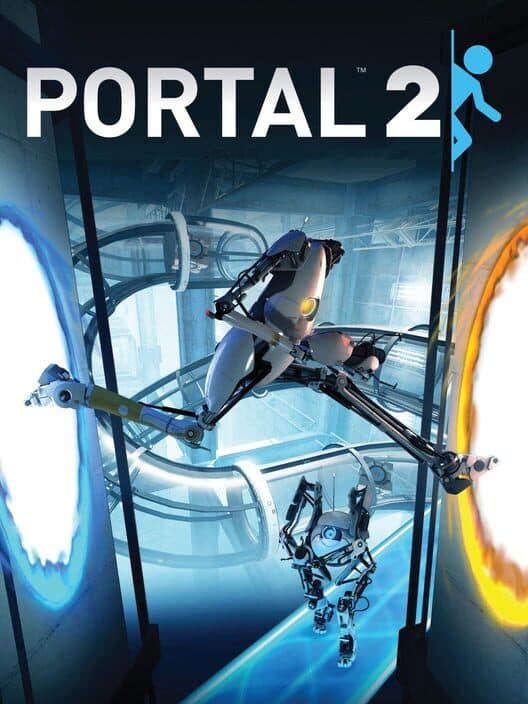
Portal 2
Valve • 2011 • PlayStation 3, Linux, PC (Microsoft Windows), Mac, Xbox 360, Nintendo Switch
Is Portal 2 Worth It?
Yes, Portal 2 is still worth it for most people who enjoy clever puzzles and sharp comedy. The big draw is how cleanly it turns confusion into payoff: rooms look impossible, you test ideas, and then the answer suddenly feels obvious in the best way. The writing helps even more. GLaDOS, Wheatley, and Cave Johnson make the quiet stretches fun, so the game never feels like a dry brain exercise. What it asks from you is simple but real. You need to pay attention, think in 3D, and accept that a few late chambers may leave you stuck for a while. What it does not ask for is grinding, fast reflexes, or a huge time commitment. The main solo campaign is short, polished, and easy to fit into a busy week. Buy at full price if you want one of the best puzzle adventures ever made and might use the co-op campaign too. Wait for a sale if you only want a one-time solo playthrough. Skip it if you hate being mentally stuck or want constant action instead of problem-solving.
What is Portal 2 like?
Opinions of Portal 2
What Players Love
- Players Love
Puzzle rooms feel brilliantly taught and usually fair
Players keep praising how new ideas are introduced step by step, then combined into satisfying solutions that feel smart and readable rather than arbitrary.
- Players Love
Writing and voice work stay funny years later
GLaDOS, Wheatley, and Cave Johnson are regularly singled out as more than comic relief. Their performances carry quiet stretches and make the whole trip memorable.
- Players Love
Co-op feels like a full second adventure together
Players love that the two-player campaign has its own strong ideas instead of recycled solo rooms, with communication creating a different kind of payoff.
Common Concerns
- Common Concern
Replay magic fades once you know the answers
A common mild complaint is that the first playthrough delivers the biggest thrill. After solutions are known, many return for the writing or co-op instead of surprise.
- Common Concern
A few late puzzles can stall your momentum
Most of the game teaches clearly, but a minority of players hit chambers near the end that stop progress cold and send them hunting for the missing insight.
What does Portal 2 demand from you?
Time
LOWTime
The main trip is short and tidy, with lots of natural stopping points. Solo play fits busy weeks well, and co-op is bonus value.
Focus
MODERATEFocus
You spend most of Portal 2 reading rooms, tracing sightlines, and testing ideas. It rarely rushes you, but it does want your eyes and brain.
Challenge
MODERATEChallenge
It is easy to start and smartly taught. The hard part is spotting the trick, not memorizing a giant ruleset or landing precise moves.
Intensity
LOWIntensity
Portal 2 is more brain-tickling than nerve-racking. Failure is quick and funny, with only a few short escape scenes that briefly raise your pulse.
Frequently Asked Questions
You Might Also Like
Games with a similar rhythm and feel, even if they look different