Nick Nieuwoudt • 2026 • PC (Microsoft Windows)
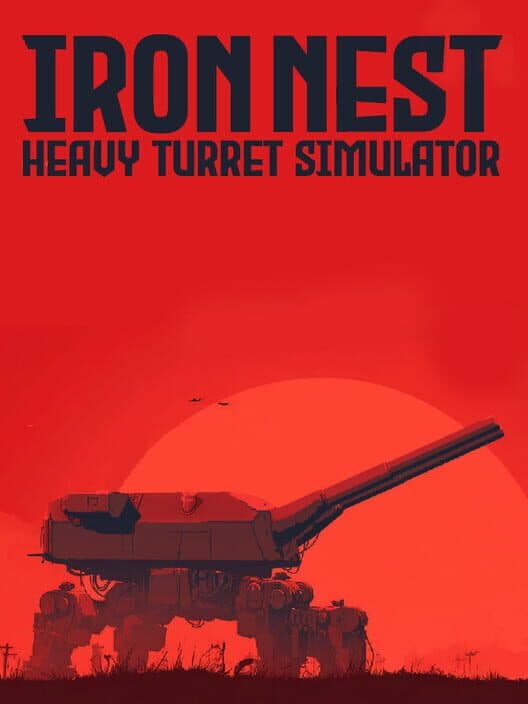
Iron Nest: Heavy Turret Simulator
Nick Nieuwoudt • 2026 • PC (Microsoft Windows)
Is Iron Nest: Heavy Turret Simulator Worth It?
Yes, Iron Nest: Heavy Turret Simulator is worth it if the idea of manually solving artillery problems sounds exciting. Its magic is not spectacle or big story twists. It is the ritual of receiving orders, measuring the map, choosing shells, working the machinery, and hearing a carefully prepared shot land. Few games make procedure feel this tactile and satisfying. The tradeoff is that it asks for real attention. This is not a relax-and-scroll second-screen game, and some missions can feel repetitive once you have cracked the main puzzle. Timer-heavy scenarios also create a level of pressure that some players love and others bounce off. At full price, it is an easy buy for anyone who enjoys thoughtful systems, sim flavor, and puzzle-solving with a war-machine theme. Wait for a sale if you like the premise but dislike mission repetition or long single-level commitments. Skip it if you want fast action, freeform sandbox play, or a cozy evening game.
What is Iron Nest: Heavy Turret Simulator like?
Opinions of Iron Nest: Heavy Turret Simulator
What Players Love
- Players Love
Doing every firing step by hand feels deeply rewarding
Players love that plotting coordinates, printing solutions, loading shells, and firing manually makes every successful hit feel earned rather than automated.
- Players Love
The dieselpunk war machine fantasy feels heavy and convincing
Sound, visuals, and in-world interfaces sell the fantasy of operating a giant armored nest. Even critical players often say the turret interior is the memorable part.
Common Concerns
- Common Concern
Some missions run too long after the main puzzle clicks
A common complaint is that certain operations stay active after the interesting deduction is already solved, turning the back half into cleanup instead of fresh thinking.
- Common Concern
The battlefield outside the turret feels thinner than expected
Many players want more reactive enemies, deeper tactical prep, or richer systems beyond the nest so the wider war matches the strength of the interior simulation.
Divisive Aspects
- Divisive
Timer-heavy missions create thrilling pressure or real frustration
Late missions with counter-battery pressure are a clear split point. Some players love the urgency, while others feel the clock turns satisfying tension into irritation.
What does Iron Nest: Heavy Turret Simulator demand from you?
Time
LOWTime
This fits into a normal week better than expected: a short campaign, solo play, full pause, and save-and-resume, but missions still prefer real one-hour blocks.
Focus
HIGHFocus
You’ll spend most sessions reading, measuring, and following a firing ritual that keeps your brain busy from start to finish without demanding fast hands.
Challenge
MODERATEChallenge
The basics click quickly, but doing the whole routine smoothly under pressure takes practice, patience, and a willingness to learn by wasting a few shots.
Intensity
MODERATEIntensity
The pressure comes from long setup chains, costly mistakes, and timer missions, creating a steady knot in your stomach rather than nonstop action-game adrenaline.
Frequently Asked Questions
You Might Also Like
Games with a similar rhythm and feel, even if they look different