hello@slated.gg
Powered by IGDB•Privacy•Terms

© 2026 Slated.gg

Slated.gg
Popular GamesAboutDiscover Games
Magicians: The Devil's Deal

Focus Entertainment • 2027 • Xbox Series X|S, PC (Microsoft Windows), PlayStation 5
Satisfying to completePerfect for a weekendStory-driven
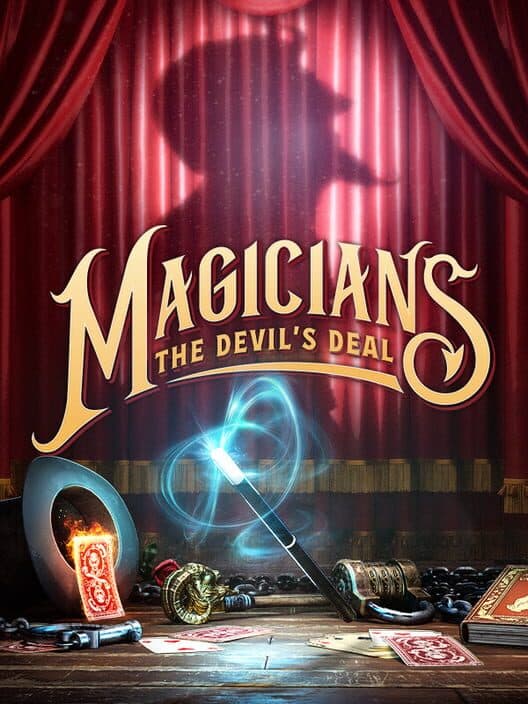
Magicians: The Devil's Deal cover art

Magicians: The Devil's Deal

Focus Entertainment • 2027 • Xbox Series X|S, PC (Microsoft Windows), PlayStation 5

Satisfying to completePerfect for a weekendStory-driven

Is Magicians: The Devil's Deal Worth It?

Probably worth wishlisting or trying through Game Pass, but not preordering blind. Magicians: The Devil's Deal has a genuinely strong hook: a story-led first-person adventure where stage magic does the work of weapons, movement tools, and puzzle solutions. If that mix of style, revenge story, and flexible powers sounds like your thing, it could be a memorable mid-sized campaign. It seems best for players who want a focused solo game with real atmosphere and a clear finish line, not an endless loot grind. The catch is simple: the most exciting part of the pitch is still the pitch. Right now the public case for the game rests more on concept and trailer promise than proven hands-on play. Buy at full price only if reviews confirm the Trick system feels as good as it looks. If you have Game Pass or like waiting a week for impressions, that is the smarter path. Skip it if you want cozy play, family-safe screen time, or a game you can half-watch while multitasking.

What is Magicians: The Devil's Deal like?

Opinions of Magicians: The Devil's Deal

What Players Love

  • Players Love

    The magician-in-Hell premise grabs attention from the start

    Early reactions focus on how unusual the setup feels. The theatrical Hell setting and fallen illusionist hook give the game an identity people remembered right away.

  • Players Love

    Magic powers look like more than reskinned guns

    Players like that the Trick system seems built for attacking, moving, and solving spaces, not just firing spell-flavored shots in a normal shooter loop.

Common Concerns

  • Common Concern

    Players want real gameplay before buying the pitch

    The biggest hesitation is simple: the concept is strong, but many people want HUD-on footage, hands-on previews, or a demo before trusting the reveal.

Divisive Aspects

  • Divisive

    The reveal trailer excites people but also raises caution

    Some viewers are all-in on the style, while others worry the footage may oversell the final feel. Excitement is real, but so is the wait-and-see mood.

What does Magicians: The Devil's Deal demand from you?

Time

MODERATE

Time

This looks built for weeknight progress in solid chunks: solo, pausable, clearly guided, but checkpoint saving and a growing toolkit add some re-entry friction.

MODERATE

For a busy week, this looks more manageable than huge open-world games or social hobby games. The campaign appears to be solo, story-led, and broken into realms, checkpoints, upgrades, and clear objectives, which is a strong fit for regular 60 to 90 minute sessions. The likely full run also seems reasonable. Based on how it is being pitched, most people will probably feel satisfied after one main playthrough instead of needing months to feel they truly saw what it offers. Real-life interruptions should be easier than average too, because public information points to full pause. That is a big deal for weeknight play. The tradeoff is the checkpoint save system. You can likely stop safely at many points, but not with the total freedom of saving anywhere at any second. Coming back after a break should be manageable, though not seamless. You may need a few minutes to remember your current goal and what each Trick does. One important caveat: this is still a pre-release forecast. The overall shape looks time-friendly, but final campaign length and checkpoint spacing still need launch-day confirmation.

Tips
  • Plan around one checkpoint, one upgrade, or one story beat per sitting; the game seems designed to make that feel meaningful.
  • If you return after a break, spend five minutes in a safe area relearning your Trick set before pushing into harder rooms.
  • Because saves look checkpoint-based, avoid quitting right before a major encounter unless you are okay replaying the approach.

Focus

HIGH

Focus

You are juggling first-person combat, spell choice, and room reading, so it rewards alert hands-on play far more than relaxed background gaming.

HIGH

This is shaping up as a hands-on game that asks for steady screen attention and pays that back with moments where you feel clever, not just accurate. The big draw seems to be how each Trick can do several jobs. In one stretch you may use a power to kill an enemy, then use that same power to block fire, move through space, or open a route. That means you are rarely just going through the motions. Even exploration sounds active because you are scanning rooms for supplies, side paths, and places where your tools might matter. The first few hours will probably feel busiest, since you are learning the rules of the toolkit while also reading enemies and navigating in first person. Once that settles, the thinking should become more fluid and expressive. This does not look like a podcast game or something to half-watch while chatting. The good news is that it seems clear and directed, not mentally muddy. If the release matches the pitch, the payoff for your attention should be stylish, flexible encounters instead of simple target practice.

Tips
  • When a new Trick unlocks, spend a few minutes testing it in combat and traversal before pushing forward; that lowers later decision overload.
  • Clear side rooms before big fights when possible, since supplies and upgrades seem tied to thorough exploration.
  • Save puzzle solving for fresh sessions; this looks least forgiving when you're tired and rushing.

Challenge

MODERATE

Challenge

Easy enough to start if you know action games, but the real satisfaction comes from learning when each Trick should attack, move, shield, or solve.

MODERATE

This looks approachable on the surface and deeper once the full bag of Tricks opens up. If you already speak basic first-person action, the opening controls should not be hard to learn. The real work is learning the language of the powers. A Trick may not just be an attack. It might also move objects, create cover, or open a path, and the game seems built around noticing those extra uses. That means the early learning curve is less about finger pain and more about mental sorting. You are teaching yourself to see options the game may not spell out every second. That is a good kind of learning when it works, because every new power can make old spaces feel different. It also means the game may ask a little patience at the start before the promise fully pays off. The likely good news is that mistakes should be recoverable in a normal campaign structure. This does not appear to be one of those games where every failure wipes out a run. If you enjoy experimenting and then seeing your toolkit click into place, the growth curve could be satisfying.

Tips
  • Treat every power as at least three tools: offense, movement, and problem-solving. That mindset should make the whole campaign easier faster.
  • Practice new abilities in quieter exploration areas before relying on them during master encounters.
  • Do not hoard upgrade resources early if the game allows spending often; stronger core Tricks usually pay off immediately.

Intensity

MODERATE

Intensity

Expect stylish pressure instead of pure horror: tense fights and a grim mood, with puzzle and exploration breaks that keep it from feeling nonstop exhausting.

MODERATE

The emotional feel looks tense, dramatic, and a little showy rather than flat-out terrifying. You are in a demonic theatre world, chasing revenge, fighting hostile performers, and pushing toward master encounters, so the game should keep a steady edge on you. At the same time, this does not look like the kind of experience that tries to exhaust you with constant panic. Exploration, scavenging, and puzzle stretches ought to act like pressure valves between fights. That mix is usually a sweet spot for players who want excitement without the draining intensity of survival horror. Failure also seems likely to sting in normal action-game ways rather than crushing ones. A bad fight will probably cost you a retry and a short stretch of progress, not an hour of your life. The bigger factor may be mood. With gore, demonic imagery, and a revenge story at the center, the tone is more grim than playful. If you want something cozy, this probably misses. If you want stylish danger with breathing room, it could land well.

Tips
  • End sessions after a checkpoint or boss attempt instead of playing angry; this kind of action game usually punishes tilted follow-up runs.
  • Use headphones only when you want the full mood, because the infernal audio-visual style may feel much heavier late at night.
  • If a fight feels overwhelming, back off and look for upgrade resources or alternate uses of your current Trick.

Frequently Asked Questions

It looks medium, with the chance of a few sharp boss spikes. The likely challenge is not raw speed alone. The harder part is learning how each Trick works in combat, movement, and environmental problems, then picking the right use quickly in first person. If you are comfortable with story-driven action games like BioShock, Dishonored, or God of War on normal, this should land in a familiar range rather than Soulslike territory. It may feel tougher in the opening hours, when your toolkit is new and the game is teaching space control, aiming, and spell choice at the same time. Once those powers click, the difficulty should shift from "What does this do?" to "How do I use this best here?" That usually feels more satisfying than punishing. What remains unknown is important: public material has not fully confirmed difficulty settings, assist options, or accessibility features yet. If you need aim help, strong navigation support, or flexible challenge sliders, wait for launch details before assuming this will fit.

The safest early estimate is around 10 to 15 hours for the main path and maybe 15 to 20 if you search hard for secrets and upgrade materials. That puts it in the sweet spot for a month or two of weeknight sessions rather than a giant seasonal commitment. Most sessions will likely work well at 60 to 90 minutes because the game appears built around realms, checkpoints, combat pockets, and short story scenes. You should be able to make meaningful progress in a single sitting by clearing an area, learning a new Trick, or pushing to the next story beat. The one caveat is the save setup. Public info points to checkpoint saving instead of free save-anywhere, so it may occasionally ask you to finish one more encounter before stopping. Replay time also looks limited. Right now there is no sign of branching endings, procedural runs, or a huge endgame. Because the game is still pre-release, treat all hour counts as forecasts, not confirmed data, until reviews lock down the real campaign length.

Expect moderate stress, not full horror-game dread. The mood looks dark, theatrical, and intense, with demonic imagery, close-up combat, and boss-like rival encounters that should keep your pulse up. But it also seems to give you breathing room through exploration, upgrade hunting, and puzzle stretches, so the pressure probably comes in waves instead of staying maxed out nonstop. That is the good kind of stress for many players: enough danger to make victories feel earned, without the constant panic of a pure survival horror game. The bad kind of stress may show up if you play tired. Because fights seem to reward quick spell choices and close screen attention, sloppy late-night play could turn manageable encounters into frustrating ones. This looks best when you want to be present and engaged, not when you want something cozy in the background. Also, the mature content matters. Even when moment-to-moment challenge is manageable, the gore, Hell imagery, and revenge tone are not exactly relaxing.

Yes. In fact, it appears built specifically for solo play. Everything public points to a one-player campaign with no co-op demands, no PvP pressure, and no need to schedule around other people. That already makes it easier to fit into a busy week than games that depend on raids, party roles, or long sessions with friends. It also looks reasonably manageable in casual play with a few caveats. Full pause should help when real life interrupts, and the campaign seems structured around clear goals, checkpoints, and story beats rather than endless open-ended wandering. The main catch is that casual here means manageable, not brain-off. This still looks like a game that wants your attention. You will probably need to remember what your powers do, read rooms quickly, and finish one more checkpoint before logging off. So yes, you can absolutely play it alone and in normal weeknight sessions. Just do not expect a low-focus comfort game. It seems more like a focused solo adventure you chip through steadily.

No, it does not look pay-to-win at all. Everything public points to a normal one-time purchase, with Game Pass availability as an extra way to access it, not a system that sells power. There is also no competitive mode, which already removes the most common place where pay-to-win shows up. Right now there are no announced premium currencies, stat boosts, battle passes, gear skips, or paid power bundles. The game appears to be selling a complete solo campaign, not an economy built around keeping you spending. That said, this is still a pre-release picture. Monetization plans can always change before launch, and store pages sometimes stay light on detail until release gets closer. Even with that caveat, there is no current sign of aggressive monetization, and nothing in the official descriptions suggests it is designed around paying to smooth over grind or difficulty. If that changes, it would be a real surprise based on the material available now. As things stand, this looks like a straightforward premium release.

You Might Also Like

Games with a similar rhythm and feel, even if they look different
Explore more→
Control Resonant game cover art
Satisfying to completeStory-driven

Control Resonant

Time
MODERATE
Focus
HIGH
Challenge
MODERATE
Intensity
MODERATE
Exodus game cover art
Satisfying to completePerfect for a weekend

Exodus

Time
MODERATE
Focus
MODERATE
Challenge
MODERATE
Intensity
MODERATE
Stranger Than Heaven game cover art
Story-driven

Stranger Than Heaven

Time
MODERATE
Focus
MODERATE
Challenge
MODERATE
Intensity
MODERATE
Resident Evil Requiem game cover art
Satisfying to completePerfect for a weekend

Resident Evil Requiem

Time
MODERATE
Focus
HIGH
Challenge
MODERATE
Intensity
HIGH
Control game cover art
Satisfying to completePerfect for a weekend

Control

Time
MODERATE
Focus
MODERATE
Challenge
MODERATE
Intensity
MODERATE
Stellar Blade game cover art
Satisfying to complete

Stellar Blade

Time
MODERATE
Focus
HIGH
Challenge
MODERATE
Intensity
MODERATE
← Back to Home