IO Interactive • 2023 • PlayStation 4, PC (Microsoft Windows), Mac, PlayStation 5, Xbox One, iOS, PlayStation VR, Xbox Series X|S
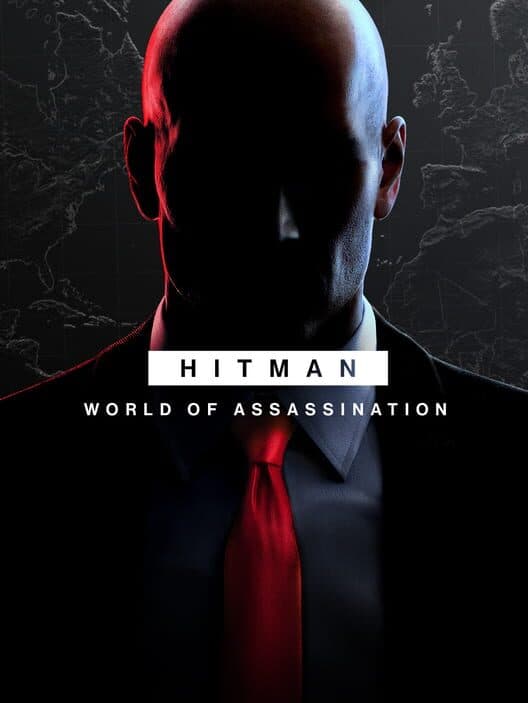
Yes, Hitman World of Assassination is worth it if you enjoy patient, clever games that let you create your own stories. The big draw is the level design: each location starts as a stealth mission and slowly turns into a toy box once you understand its routes, disguises, and habits. That makes even repeat runs feel fresh. What it asks from you is patience. The first few hours are slower than a typical action game, and the fun depends on watching, planning, and sometimes reloading when a plan breaks. If you want nonstop combat or a strong story to pull you forward, this may feel colder than its reputation suggests. Buy at full price if the idea of replaying brilliant maps with new plans sounds exciting, because few games deliver this kind of sandbox design so well. Wait for a sale if you are curious but unsure about stealth or slower pacing. Skip it if you hate trial and error, dislike online-connected progression in solo games, or mainly want a story-first experience.

IO Interactive • 2023 • PlayStation 4, PC (Microsoft Windows), Mac, PlayStation 5, Xbox One, iOS, PlayStation VR, Xbox Series X|S
Yes, Hitman World of Assassination is worth it if you enjoy patient, clever games that let you create your own stories. The big draw is the level design: each location starts as a stealth mission and slowly turns into a toy box once you understand its routes, disguises, and habits. That makes even repeat runs feel fresh. What it asks from you is patience. The first few hours are slower than a typical action game, and the fun depends on watching, planning, and sometimes reloading when a plan breaks. If you want nonstop combat or a strong story to pull you forward, this may feel colder than its reputation suggests. Buy at full price if the idea of replaying brilliant maps with new plans sounds exciting, because few games deliver this kind of sandbox design so well. Wait for a sale if you are curious but unsure about stealth or slower pacing. Skip it if you hate trial and error, dislike online-connected progression in solo games, or mainly want a story-first experience.
Players consistently praise places like Sapienza, Miami, and Berlin for offering many routes, disguises, and hidden interactions that stay fresh after a first clear.
A common frustration is that offline play strips away mastery progress, challenges, and some connected features, creating avoidable friction in a largely solo game.
Some players think the roguelite mode gives familiar maps fresh purpose, while others feel its harsher losses clash with the campaign's playful trial-and-error tone.
Fans love solving hits through poison, staged accidents, disguise swaps, or pure chaos. Even failed plans often become memorable stories instead of simple reloads.
Many players say the package improves after the credits, as mastery unlocks, contracts, and repeat runs reveal new shortcuts, tools, and challenge ideas.
Players consistently praise places like Sapienza, Miami, and Berlin for offering many routes, disguises, and hidden interactions that stay fresh after a first clear.
Fans love solving hits through poison, staged accidents, disguise swaps, or pure chaos. Even failed plans often become memorable stories instead of simple reloads.
Many players say the package improves after the credits, as mastery unlocks, contracts, and repeat runs reveal new shortcuts, tools, and challenge ideas.
A common frustration is that offline play strips away mastery progress, challenges, and some connected features, creating avoidable friction in a largely solo game.
Some players think the roguelite mode gives familiar maps fresh purpose, while others feel its harsher losses clash with the campaign's playful trial-and-error tone.
Easy to fit into weeknights thanks to mission-sized sessions, strong pause and saving, and clear places to stop after a clean run.
This is one of the easier big single-player games to fit into real life. Most nights can be a full mission, a short contract, or a replay of a favorite location, and each of those has a clean ending point. The campaign also respects interruptions. You can pause fully, save during normal missions, and leave after a score screen without feeling like you are quitting mid-thread. The biggest ask comes from the maps themselves. One clear of the campaign is not enough to show why the game is special, so most people who click with it will spend extra evenings revisiting standout locations with new tools or routes. That is great value, but it also means the game gets better as a map becomes familiar. Coming back after a week is not too painful, though you may need a few minutes to remember disguise rules or a half-built plan. There are no group schedules to manage, no raid nights, and no competitive grind. The one real caveat is online-connected progression, so the smoothest version of the experience wants a stable internet connection.
Quiet on the surface, brainy underneath: you watch routines, read rooms, and move carefully, with timing mattering far less than planning.
This is a patient, watchful game. It asks you to read spaces, study people, and notice the small rules that make each location tick. Most of your attention goes into questions like who belongs where, which guard can see through your disguise, where the cameras point, and when a target finally becomes vulnerable. That makes sessions feel like slow-burn problem solving instead of action-movie chaos. You can play at your own pace, which helps, but this is still not a great second-screen game once you are inside a restricted area. Looking away for even a few seconds can mean missing an enforcer, a patrol turn, or the one clean window you were waiting for. The reward for that steady attention is excellent. When a plan comes together, it feels less like you won a fight and more like you outsmarted an entire building. If you enjoy reading systems, memorizing routes, and adapting after a small mistake changes the room, this game pays that effort back in a big way.
The first hours are about learning social stealth rules; once they click, the game shifts from confusion to creativity on each map.
The hardest part is not fast hands. It is learning how this social stealth language works. Early on, you need to understand trespassing, illegal items, suspicious behavior, enforcers, body discovery, camera coverage, and what counts as an accident. If that sounds like a lot, the good news is that the game teaches generously. Mission Stories can walk you through strong plans, Instinct highlights useful people and objects, and frequent saves let you test ideas without losing much time. That makes the first few hours more awkward than brutal. Expect some trial and error across the opening maps, then a nice shift: the same systems that felt confusing start feeling playful. You stop asking what you are allowed to do and start asking what funny or elegant plan you can pull off. Mastery can go very deep if you chase perfect ratings, speed runs, or Freelancer, but you do not need any of that to enjoy the game. Basic comfort arrives well before expert-level precision.
More suspense than panic, with tense near-misses and controlled pressure through most missions instead of nonstop chaos or punishing combat.
World of Assassination usually feels tense in a controlled, satisfying way. The pressure comes from being almost allowed somewhere, almost unseen, or one bad witness away from ruining a perfect setup. That creates suspense, but it rarely becomes exhausting because the game lets you slow down, observe, and reset. On normal campaign play, mistakes are more irritating than devastating. You can often reload, recover, or simply finish the job messily and move on. That keeps the mood closer to a spy thriller than a punishment machine. The exception is when you chase self-imposed perfection or step into harsher side modes, where every slip matters more and the mood gets sharper fast. For most people sticking to the main campaign, though, this is good stress. It gives you that delicious near-miss feeling when a guard walks past your hiding spot, then rewards you with relief and a grin when the accident goes off exactly as planned. Best played when you want suspense without full-blown panic.
Games with a similar rhythm and feel, even if they look different