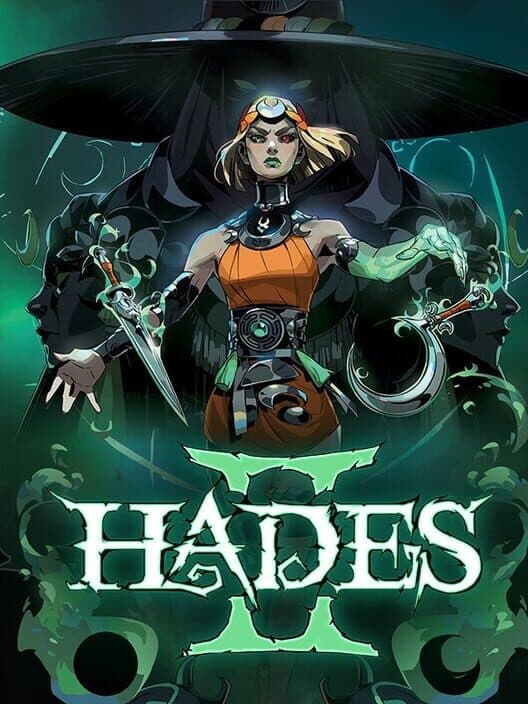
Hades II

Supergiant Games2025Nintendo Switch 2, PC (Microsoft Windows), Mac, Nintendo Switch
Fast, run-based Greek myth combat

Designed around 60–90 minute sessions

Rich cast and evolving long-form story

Is Hades II Worth It?

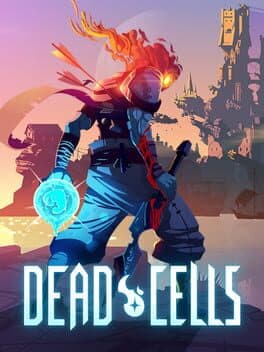
Hades II is absolutely worth it if you enjoy fast action and character-driven stories, and you can handle a multi-week commitment. The core loop of short, intense runs feeding into long-term upgrades and relationships is incredibly satisfying, especially for adults who like feeling real progress from short sessions. What it asks from you is steady focus, a tolerance for dying and trying again, and enough time across many evenings to slowly see the story unfold. In return, you get excellent combat, a fantastic cast, and a campaign that stays fresh through new boons, weapons, and narrative twists. If you loved the first Hades or enjoy games like Dead Cells or Slay the Spire, this is a strong full-price buy. If you’re unsure about roguelikes, or you mostly want a short, finite story you can finish in a weekend, you might wait for a sale. Anyone who dislikes repeating content or action-heavy gameplay should probably skip it altogether.

When is Hades II at its best?

You’ve got about 75 minutes on a weeknight and want something active but not competitive, where a single run plus upgrades feels like real progress.

It’s a weekend evening and you can spare a longer block; you’re in the mood to push a route further and maybe finally crack a stubborn boss.

You’re between big releases and want one main game to live in for a few weeks, dipping in for focused sessions that advance both story and character power.

What is Hades II like?

For a busy adult, Hades II fits neatly into evenings without demanding huge marathons. A satisfying session is usually a full run on either route plus some time in the hub, around an hour to ninety minutes total. You can pause instantly and the game autosaves when you enter or clear each room, so stopping after a chamber is safe if life intrudes. The tradeoff is that quitting mid-fight abandons the run, so planning around room breaks works best. Seeing credits and the heart of the story will likely take several weeks of regular play, and experiencing the main epilogue and a spread of weapons may stretch to a month or more. Coming back after a long break involves a short re-orientation with your builds and goals, but not a full relearn. There’s no expectation to play with others, no schedules, and no daily login pressure—just a big, solo adventure you can chip away at on your own time.

Tips

  • When possible, start runs only if you’ve got at least an hour; otherwise, stick to hub upgrades and short attempts.
  • End sessions back at the Crossroads so you resume in a calm space rather than mid-run pressure next time.
  • Keep a tiny note or screenshot of your current weapon, Arcana layout, and crafting goals to smooth returning after weeks away.

Playing Hades II means staying mentally present. In combat you’re constantly reading enemy attacks, watching for traps, tracking your magick, and deciding when to commit big moves. Between rooms you choose doors, rewards, and shops, and back at the Crossroads you plan upgrades, relationships, and incantations. It’s active, hands-on play rather than something you can half-watch while scrolling your phone. The good news is that the game separates high-focus moments from calmer ones: sweaty boss fights are balanced by relaxed time chatting with characters or rearranging your Arcana board. Once you’ve learned your favorite weapons and boons, much of the basic flow becomes instinctive, but late-game regions and bosses still demand full attention. For a tired adult, it’s more mentally demanding than a chill farming sim, but far less draining than a hardcore tactical game or competitive shooter.

Tips

  • Save new weapons or builds for nights when you’re fresh; use familiar setups when you’re low on energy.
  • Treat the Crossroads as a cool-down zone to answer messages or sip a drink between high-focus fights.
  • If distractions are likely, stop after each cleared room instead of pushing deep into a run on borrowed focus.

Hades II is welcoming at the start but has real depth if you stick with it. Basic movement, attacking, and the idea of room-based runs click within a session or two, even if you’re new to roguelikes. Your first clear of a route might take 10–25 hours depending on skill and familiarity with the genre. Along the way you’ll slowly absorb enemy patterns, boss mechanics, and which boons and Arcana combinations suit your style. The payoff is noticeable: areas that once drained your health become effortless, and bosses that felt impossible turn into satisfying victories. Importantly, the game remains enjoyable even if you never chase extreme challenges; you don’t need to aim for no-hit runs to feel successful. But if you enjoy improving, the ceiling is high, and optional high-Fear runs and bounties give skilled players plenty to chew on.

Tips

  • Pick one or two favorite weapons and stick with them early so you learn patterns instead of constantly resetting your muscle memory.
  • Use early runs to sample lots of boons, then focus later on combos that clearly click with how you like to play.
  • After a tough boss, take ten seconds to recall its patterns and what killed you, so each attempt feels like learning, not flailing.

The game sits in a sweet spot of “pleasantly intense.” Bosses, deep runs, and first-time clears can be nerve-wracking, especially when you’re low on death defiances and just a few rooms from a breakthrough. You’ll feel your heart rate climb and your grip tighten in those moments. But deaths send you back to a cozy hub, wrapped in story scenes and upgrade opportunities, which takes the edge off. Because every loss still grants resources and dialogue, the emotional weight is closer to a tough workout than a brutal exam. You can also soften or raise the stakes with tools like God Mode and Fear modifiers, so if you’re having a rough week you can dial things down. Overall, expect some adrenaline spikes and the occasional “I need to breathe” break, but not the constant dread of horror games or the punishing stress of ultra-hard action titles.

Tips

  • If frustration spikes, lower Fear or enable God Mode a bit so progress continues without constant brick walls.
  • Avoid chaining late-night “one more run” attempts when wired; stop after a good boss attempt instead.
  • Mentally label early deaths as scouting runs so they feel informative rather than personal failures.

Frequently Asked Questions