Doom: The Dark Ages

Bethesda Softworks2025Xbox Series X|S, PC (Microsoft Windows), PlayStation 5
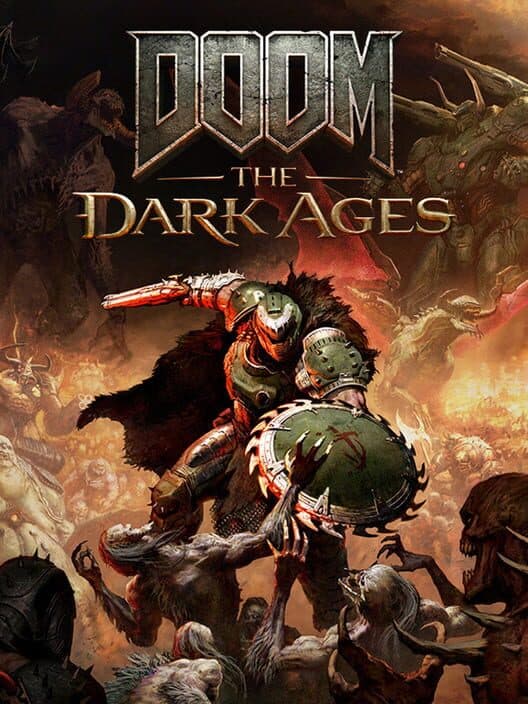
Brutal single-player medieval sci-fi shooter

Tight 12–18 hour story campaign

Fast, gory arenas with heavy metal

Is Doom: The Dark Ages Worth It?

Doom: The Dark Ages is worth it if you want a focused, high-intensity single-player shooter you can actually finish. It delivers a tight 12–18 hour campaign built around brutal arena combat, incredible audiovisual flair, and a surprisingly substantial mythic backstory for the Slayer. There’s no battle pass, no daily chores, and no pressure to live in the game. What it asks from you is concentration, tolerance for graphic violence, and comfort with moderately challenging fights on the default setting. If you have 60–90 minute pockets a few nights a week, it fits neatly into adult life. In return, you get consistently exciting encounters, frequent upgrades, and that addictive feeling of barely surviving a packed arena. Buy at full price if you loved Doom 2016/Eternal, enjoy heavy metal aesthetics, or want a premium action game that doesn’t sprawl into a 60-hour epic. Wait for a sale if you’re lukewarm on shooters or mostly here for story. Skip it if you dislike gore, need co-op, or strongly prefer slower, more thoughtful games.

When is Doom: The Dark Ages at its best?

You’ve got about 90 minutes on a free evening and want something intense but finite, where clearing one big mission feels like a complete, satisfying use of time.

You’re in the mood to blow off steam after a stressful day, ready for loud music, precise shooting, and a straightforward story that doesn’t demand heavy emotional investment.

You have a free weekend chunk and want to sink into a short, focused campaign you can realistically finish over a couple of weeks without worrying about long-term grinds.

What is Doom: The Dark Ages like?

This is a compact, clearly scoped game. The main story runs roughly 12–18 hours for most adults, longer if you chase secrets but still nowhere near an endless open world. Missions are split into 22 chapters, each usually fitting a 60–90 minute session. That makes it easy to say, “I’ll just clear one level tonight,” and actually stick to it. The game saves frequently and lets you pause anytime, so dealing with kids, phones, or real-life stuff is manageable. The only catch is checkpoint-based saving: quitting mid-chapter may mean replaying a few minutes next time. Coming back after a break isn’t painful, though—you’ll have a clear objective marker and a simple quest state. There’s no pressure to log in daily, no raids to schedule, and no social obligations. Optional harder modes and custom arenas are there if you want more later, but the core experience is a straightforward, finite campaign you can comfortably wrap up over a couple of weeks.

Tips

  • Plan around one chapter per session when possible; if you’re short on time, use Ripatorium arenas for quick, low-commitment bursts.
  • Try to reach a checkpoint or hub before stopping so you don’t have to redo tougher encounters next time you play.
  • If you know life will get busy, finish a chapter before taking a long break so you return at a clean narrative and gameplay breakpoint.

Playing this feels like flipping between controlled chaos and brief calm. When you’re in an arena, your eyes and brain are fully occupied: tracking enemy tells, weaving through projectiles, swapping weapons, and deciding when to commit to a risky finisher. Looking away for even a few seconds can mean a quick death. Outside of fights, things ease up. Hubs, traversal, and light exploration give your brain a breather and let you reorient before the next big set piece. For a busy adult, that means you’ll want to sit down with enough energy to really pay attention, especially if you’re aiming to finish a full chapter. It’s not something you casually half-play while chatting or doomscrolling. The upside is that the game reliably pulls you into a strong flow state: once you’re in a fight, distractions tend to fall away and you’re just there, reacting and improvising until the last demon drops.

Tips

  • Start sessions with a warm-up arena or two to re-familiarize yourself with parry timing and weapon swaps before tackling major story fights.
  • Use hubs and traversal segments as intentional mental breaks instead of pushing straight into the next arena when you’re already tired.
  • If your attention’s slipping, drop difficulty sliders slightly so you can stay engaged without fights turning into frustrating focus checks.

You don’t need weeks of practice to enjoy this. Within a couple of evenings you’ll understand the basics: shoot weak points, use finishers for resources, and parry big swings when possible. From there, the game quietly rewards improvement. Learning enemy patterns, tightening your movement, and swapping weapons efficiently turn messy brawls into clean, confident clears. The real depth shows up if you choose to lean in. Higher difficulties, custom sliders, and Ripatorium arenas give you space to practice specific encounters and push your limits. But none of that is required to finish the story on a normal setting. For a busy adult, this balance works well: you can treat it as a one-and-done campaign with a brief adjustment period, or as a playground to revisit when you feel like sharpening your skills further.

Tips

  • Start on a comfortable preset and only raise difficulty once you’re consistently surviving arenas without panicking over health or ammo.
  • Use Ripatorium or short chapter replays as focused practice to learn parry timings and movement routes without story pressure.
  • Don’t chase perfect runs on work nights; enjoy steady improvement and save hardcore mastery goals for weekends if they still appeal.

Emotionally, this sits in the “high-energy action movie” zone. Guns roar, demons explode, the soundtrack screams, and you’re often seconds from death until you clutch out a win. That can spike your heart rate, especially during longer multi-wave arenas where one mistake ends a great run. However, deaths usually just mean a short reset, not losing hours of progress, which keeps the tension more exciting than crushing. This isn’t a horror game that preys on dread or jump scares. The gore and demonic imagery are intense and not family-room friendly, but the emotional tone leans toward empowerment and catharsis. For a tired adult at the end of the day, it can be a great outlet if you’ve got some energy left. If you’re already stressed or overstimulated, though, the noise and speed might feel like too much and a calmer game could be a better fit that night.

Tips

  • Avoid marathon sessions on days you already feel fried; shorter runs keep the intensity fun instead of draining.
  • If you’re getting tense, briefly lower enemy damage or aggression so you can enjoy the spectacle without worrying as much about perfect play.
  • Take a breather after especially hectic arenas; step away for water before diving straight into the next big fight.

Frequently Asked Questions