Bethesda Softworks • 2015 • Xbox Series X|S, PlayStation 4, PC (Microsoft Windows), PlayStation 5, Xbox One
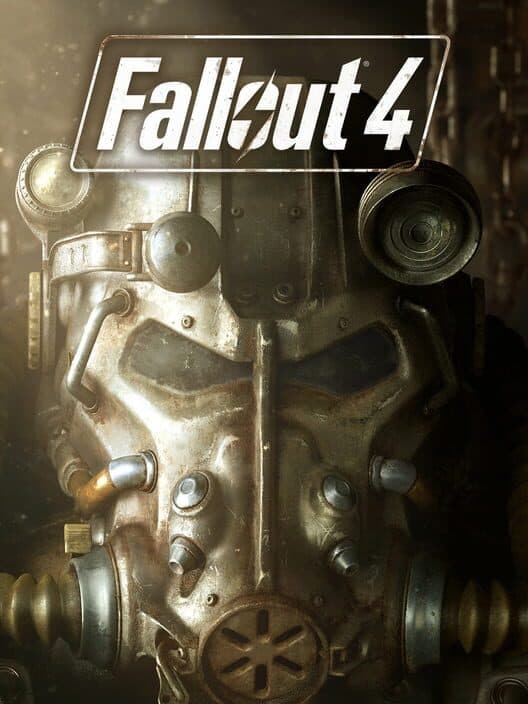
Fallout 4 is worth your time if you enjoy big single-player worlds, steady character growth, and lots of looting and tinkering. It shines for players who like wandering into ruined buildings just to see what’s there, reading a few terminals, grabbing junk to scrap, then heading home to upgrade weapons, armor, and settlements. The shooting and story aren’t the absolute best in the genre, but together they create a satisfying fantasy of turning from frightened vault dweller into a heavily armored wasteland problem-solver. The price you pay is time and tolerance for menus: you’ll spend many evenings here, and a noticeable chunk of that is inventory sorting, crafting, and base management. If that loop sounds fun, the game easily justifies a purchase, especially at its common sale prices. If you mainly want ultra-tight modern gunplay or a focused, emotional narrative, you might want to skip it or treat it as a relaxed side project rather than a must-finish epic.

Bethesda Softworks • 2015 • Xbox Series X|S, PlayStation 4, PC (Microsoft Windows), PlayStation 5, Xbox One
Fallout 4 is worth your time if you enjoy big single-player worlds, steady character growth, and lots of looting and tinkering. It shines for players who like wandering into ruined buildings just to see what’s there, reading a few terminals, grabbing junk to scrap, then heading home to upgrade weapons, armor, and settlements. The shooting and story aren’t the absolute best in the genre, but together they create a satisfying fantasy of turning from frightened vault dweller into a heavily armored wasteland problem-solver. The price you pay is time and tolerance for menus: you’ll spend many evenings here, and a noticeable chunk of that is inventory sorting, crafting, and base management. If that loop sounds fun, the game easily justifies a purchase, especially at its common sale prices. If you mainly want ultra-tight modern gunplay or a focused, emotional narrative, you might want to skip it or treat it as a relaxed side project rather than a must-finish epic.
When you have about an hour on a weeknight and want to roam, loot, and finish a quest without needing razor-sharp reflexes or coordinating with friends.
On a quieter weekend afternoon when you can spare a couple of hours to dive into settlement building, tune your gear, and push a big chunk of the main story forward.
When you’re in the mood for a slightly grim but empowering escape, okay with some menu fiddling and gore, and you’d like steady progress without punishing difficulty or time pressure.
A long but flexible solo journey that fits nicely into hour-long sessions and tolerates frequent pauses or breaks from gaming.
Fallout 4 offers a substantial single-player arc but works surprisingly well for adults with limited time. A typical “I’ve seen what I wanted” playthrough for someone who mixes main quests with side content runs about 40–60 hours. That sounds big, but it slices cleanly into 60–90 minute sessions: pick a quest, travel there, clear the area, and return to a safe spot to save. Because you can pause at any moment and save almost anywhere, it’s easy to handle kids, roommates, or sudden obligations without losing progress. There are no raids, seasons, or daily chores demanding regular logins, so the game never becomes an obligation. The main risk is simply overplaying because the map is full of distractions. If you step away for a couple of weeks, you’ll need a short reorientation with your quest log and gear, but you won’t feel forced to restart. It’s a long commitment overall, yet very friendly to fragmented schedules.
Exploration, menu tinkering, and measured gunfights keep you engaged, but the game rarely demands white-knuckle, split-second reactions.
Fallout 4 asks for a steady but manageable level of attention. Out in the wasteland, you’re scanning for enemies, mines, and loot while watching your health, ammo, and compass. Combat is slower than a pure shooter, especially if you lean on the VATS targeting system, which pauses the action and lets you calmly line up shots. Between fights, a lot of your mental energy goes into reading quest text, juggling inventory weight, choosing perks, and working through crafting or settlement menus. That makes the experience more about constant light decision-making than raw hand–eye skill. Friendly hubs and your own settlements offer calmer stretches where you can relax and tinker at your own pace. It’s not something you can really play while watching a show, but it also doesn’t require full tunnel vision every second. If you sit down with typical after‑work energy and give the game most of your attention, it will meet you there comfortably.
Easy to get started, with systems that quietly reward learning but don’t punish you for playing imperfectly.
Fallout 4 is approachable at first but reveals more depth as you go. Moving, aiming, and using the VATS system feel natural within the first session or two. The real learning curve lives in the S.P.E.C.I.A.L. stats, perk choices, weapon and armor modding, and settlement mechanics. Expect your first 5–10 hours to involve some experimentation and a few “wasted” perk points, which is fine because most halfway sensible builds can finish the game on Normal. As you gain experience, you’ll notice how certain perks synergize, how stealth and terrain can trivialize fights, or how good defenses make settlements almost self‑sufficient. Each insight makes the game smoother, safer, and more efficient rather than simply less impossible. You never need to study wikis, but curiosity pays off. If you enjoy feeling smarter and more capable over time without high pressure to optimize, this loop is very satisfying.
Feels like a violent but forgiving action movie, with tense moments but low long-term pressure or punishment.
On standard settings, Fallout 4 lands in a comfortable middle ground for emotional intensity. Gunfights can be tense, with sudden ambushes from raiders or ghouls and plenty of blood and dismemberment if you use VATS. The world’s tone is bleak and often sad, but those spikes are broken up by long stretches of wandering, looting, and chatting with companions. Crucially, the ability to save almost anywhere keeps the stakes low: if you die, you usually replay only a few minutes. Early hours can feel a bit more stressful because you’re fragile and under‑equipped; later, once perks and gear stack up, the game shifts toward power fantasy and lighter tension. There are a few creepy areas, but it’s not a horror game. For most busy adults, it’s exciting enough to wake you up without leaving you frazzled. You get bursts of adrenaline and dark humor, not the constant pressure of a brutally punishing title.
Games with a similar rhythm and feel, even if they look different