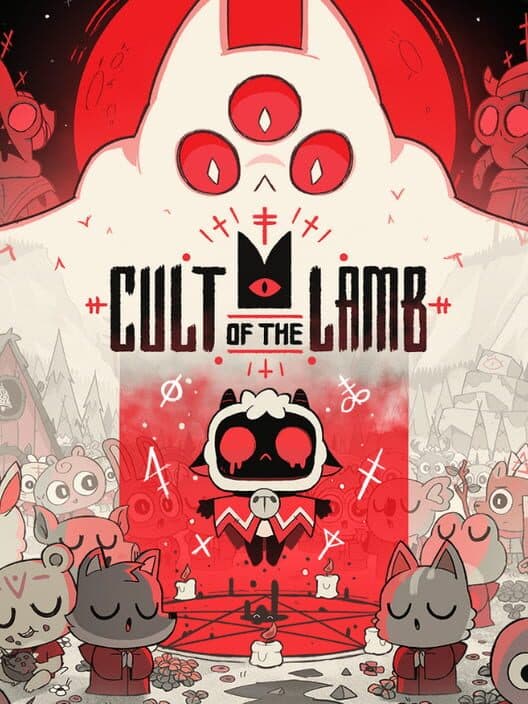
Devolver Digital • 2022 • PlayStation 4, PC (Microsoft Windows), Mac, PlayStation 5, Xbox One, Nintendo Switch, Xbox Series X|S
Yes, Cult of the Lamb is worth it if you want a stylish, manageable game that makes short sessions feel productive. Its best trick is the loop: a combat run comes home as new buildings, rituals, followers, and small camp stories, so you almost always feel like you moved something forward. The cute-but-sinister art gives it a personality most games cannot fake, and followers quickly become more memorable than the simple systems suggest. Buy at full price if that mix of light action, camp building, and dark comedy sounds like your thing. Wait for a sale if you mainly want deep combat variety, because the fighting and biome mix can feel repetitive before the game ends. Also be a little cautious on weaker hardware or Switch if smooth performance matters a lot to you. Skip it if daily chores, light management, or occult humor are immediate turnoffs. For the right player, it is a compact, charming game that respects weeknight play surprisingly well.

Devolver Digital • 2022 • PlayStation 4, PC (Microsoft Windows), Mac, PlayStation 5, Xbox One, Nintendo Switch, Xbox Series X|S
Yes, Cult of the Lamb is worth it if you want a stylish, manageable game that makes short sessions feel productive. Its best trick is the loop: a combat run comes home as new buildings, rituals, followers, and small camp stories, so you almost always feel like you moved something forward. The cute-but-sinister art gives it a personality most games cannot fake, and followers quickly become more memorable than the simple systems suggest. Buy at full price if that mix of light action, camp building, and dark comedy sounds like your thing. Wait for a sale if you mainly want deep combat variety, because the fighting and biome mix can feel repetitive before the game ends. Also be a little cautious on weaker hardware or Switch if smooth performance matters a lot to you. Skip it if daily chores, light management, or occult humor are immediate turnoffs. For the right player, it is a compact, charming game that respects weeknight play surprisingly well.
Players constantly point to the art style as the big hook: adorable followers, blood, sermons, and demonic jokes create a look that feels instantly distinct.
Many players enjoy the action early, then feel repeated rooms, enemies, and encounters lose excitement before the camp-building side does.
Feeding, cleaning, and keeping faith high becomes a comforting rhythm for some players, while others see the same chores as late-game busywork.
A short combat run almost always comes back as new buildings, upgrades, followers, or resources, which makes even weeknight sessions feel productive.
Bugs, frame drops, and general roughness still show up in player reports, with handheld play and bigger late-game camps mentioned especially often.
Naming followers, reacting to their traits, and dealing with odd camp incidents gives the management side more heart than the simple systems suggest.
Players constantly point to the art style as the big hook: adorable followers, blood, sermons, and demonic jokes create a look that feels instantly distinct.
A short combat run almost always comes back as new buildings, upgrades, followers, or resources, which makes even weeknight sessions feel productive.
Naming followers, reacting to their traits, and dealing with odd camp incidents gives the management side more heart than the simple systems suggest.
Many players enjoy the action early, then feel repeated rooms, enemies, and encounters lose excitement before the camp-building side does.
Bugs, frame drops, and general roughness still show up in player reports, with handheld play and bigger late-game camps mentioned especially often.
Feeding, cleaning, and keeping faith high becomes a comforting rhythm for some players, while others see the same chores as late-game busywork.
This fits well into weeknight play because runs and day cycles create clean stopping points, though autosaves and village upkeep make exact quit moments slightly imperfect.
Cult of the Lamb fits nicely into a busy schedule. Most people will feel satisfied after about 12 to 18 hours, with 20 to 30 hours if they keep chasing side unlocks, decorations, and cleanup goals. More important than the total is how that time breaks up. A good session can be one camp check and one crusade, which often lands around 30 to 90 minutes. You can fully pause in single-player, and the game creates natural stopping points after a run, a sermon, a ritual, or the end of a day. The main limitation is the autosave setup: you are protected often, but you do not get full save-anywhere control before every risky choice. Coming back after a week away is manageable, though you may need a few minutes to remember what your camp needs next. This is also mostly a solo experience even with local co-op available. The trade is a little housekeeping and some re-entry friction, and the reward is a game that regularly makes short sessions feel worthwhile instead of incomplete.
You bounce between easy-to-read camp chores and light dodge combat, so attention stays active without reaching the all-consuming tunnel vision of tougher action games.
Cult of the Lamb asks for steady switching rather than nonstop tunnel vision. A normal session starts with camp upkeep: collect devotion, cook food, check sickness, fix faith problems, and decide whether to spend bones on a ritual or save them. None of that is hard on its own, but the game keeps you making small choices often. Then you head into a crusade, where attention shifts to dodging, reading enemy telegraphs, watching health and fervour, and choosing room rewards that solve your camp's next problem. Because the systems are light and readable, this feels busy in a pleasant way instead of overwhelming. You usually know what matters right now, even while juggling two very different play styles. The trade is simple: it asks you to keep a few plates spinning, and in return it gives a session rhythm that stays engaging without becoming mentally draining. You can relax a bit at camp, but active runs still want your eyes on the screen.
You'll understand the main loop quickly, but getting smooth at balancing village needs, combat pickups, and run priorities takes a few focused evenings.
This is pretty easy to learn and moderately easy to get comfortable with. The game teaches its loop in steps, so you are not hit with every system at once. Early hours walk you through sermons, cooking, building, follower needs, and basic dodge-and-attack combat, which means most players understand the core rhythm within a few sessions. The deeper skill comes from getting efficient rather than getting elite. You start learning which doctrines solve your biggest camp problems, when to spend resources now versus save them, and how to adapt when a run hands you a weapon or curse you did not want. Combat rewards reading patterns, but it rarely demands the tight precision of something like Dead Cells. Mistakes cost time and a failed run, not your whole save or hours of lost progress. The trade is light practice and a little experimentation, and the payoff is a smooth loop where both halves of the game start feeding each other.
Most of the mood is playful and mischievous, with short spikes of pressure during boss fights or when your flock starts starving, dissenting, or getting sick.
Most of the pressure here is good stress, not exhausting stress. You are rarely dealing with brutal punishment or constant panic. The game instead creates a mild, steady pull: keep followers fed, keep faith from slipping, and survive one more room so the whole village gets stronger. Boss fights and bad camp timing can spike the pressure for a few minutes, especially if you return to a hungry or dissenting flock, but the cute art and dark comedy stop the mood from feeling oppressive. Even death usually feels like a setback inside a larger upward climb, not a full collapse. That makes the game easier to enjoy on a weeknight than harder roguelites or grim survival games. The trade is that it asks for some tolerance for mess and short bursts of tension, then pays you back with funny follower drama, visible recovery, and the satisfaction of turning chaos into a working little community. If you like a bit of pressure without needing a cooldown after every session, it lands well.
Games with a similar rhythm and feel, even if they look different